
Commercial Trucks For Sale Near Miami, Florida
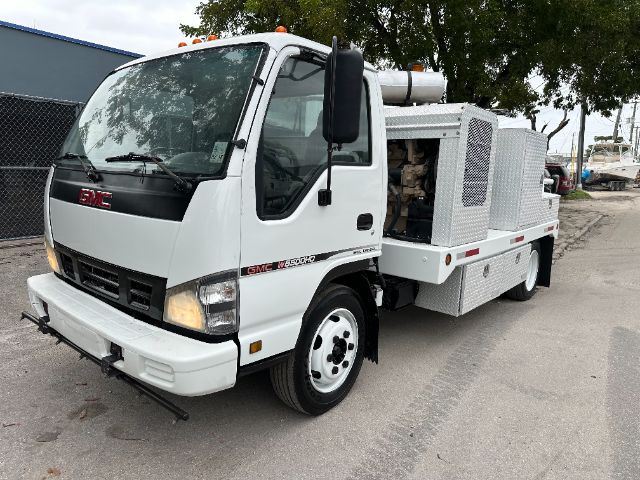
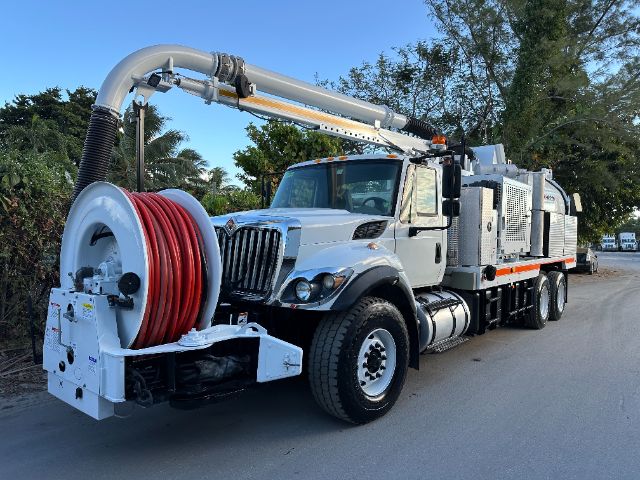
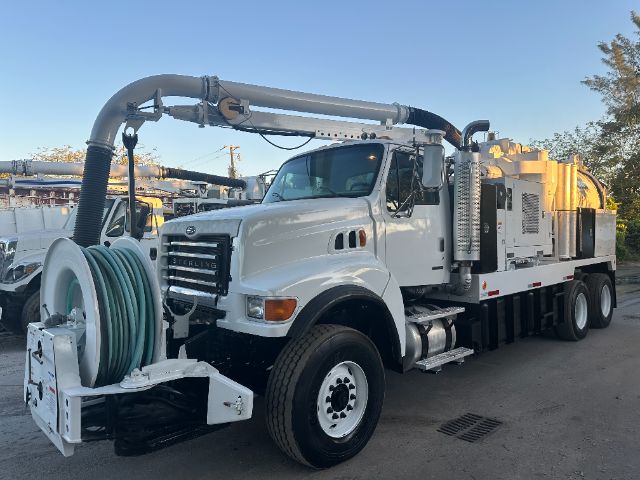
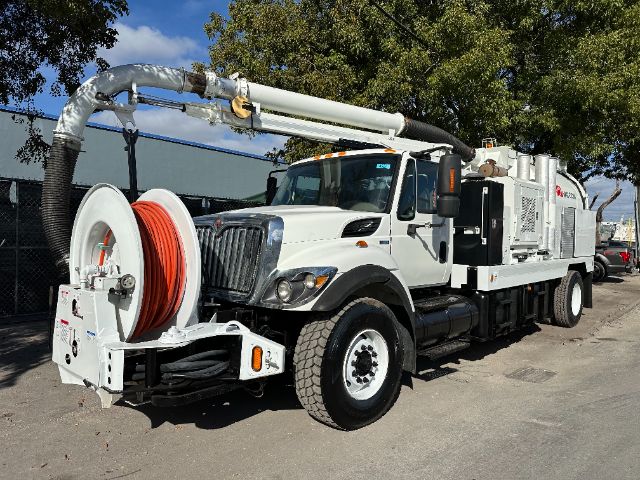


Have commercial truck to sell? List it here to reach thousands of buyers.
Commercial Trucks Near Miami, Florida
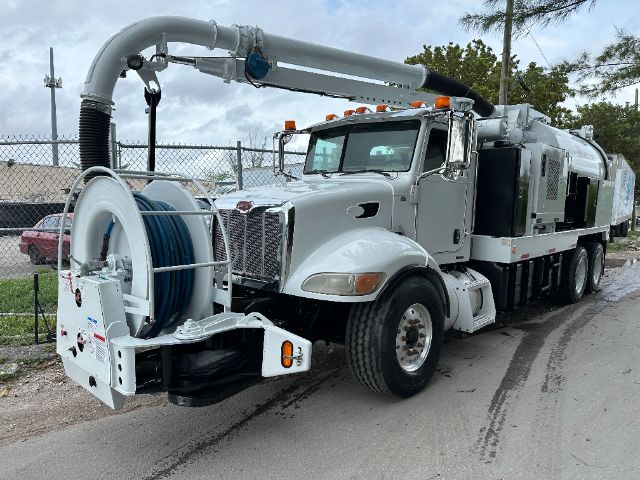
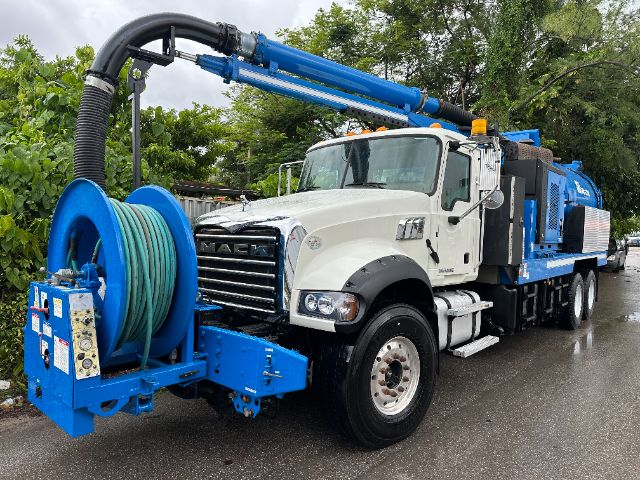
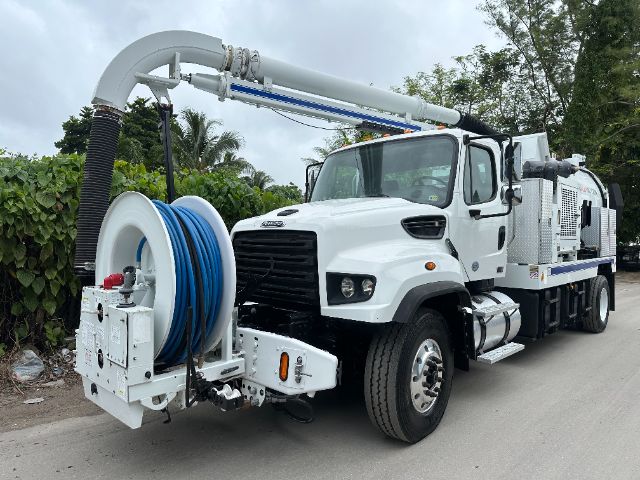
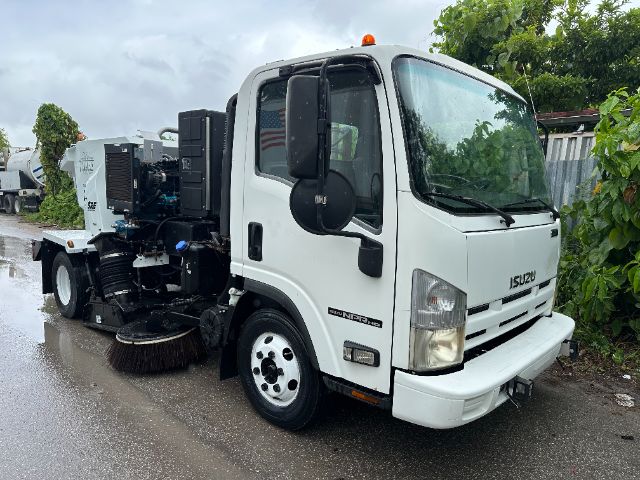
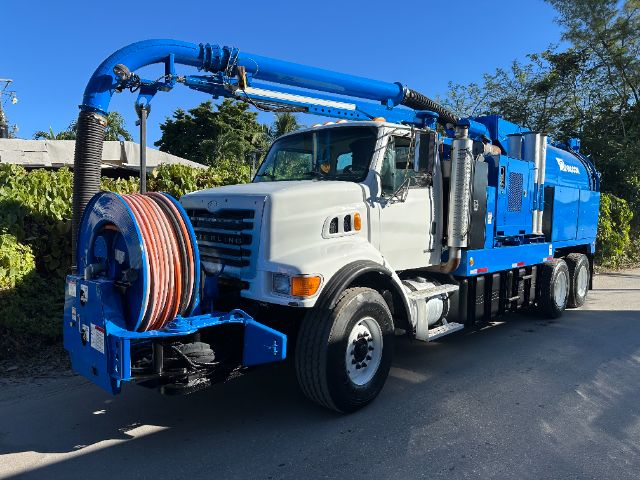
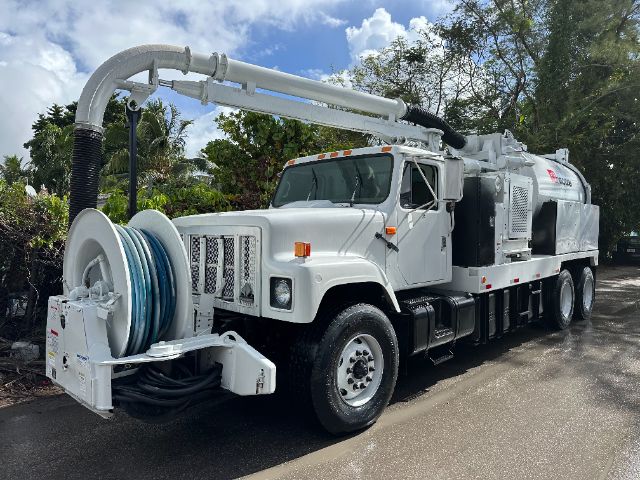
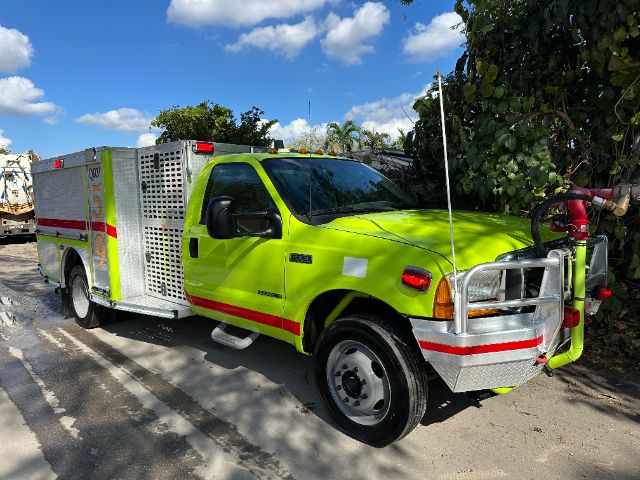
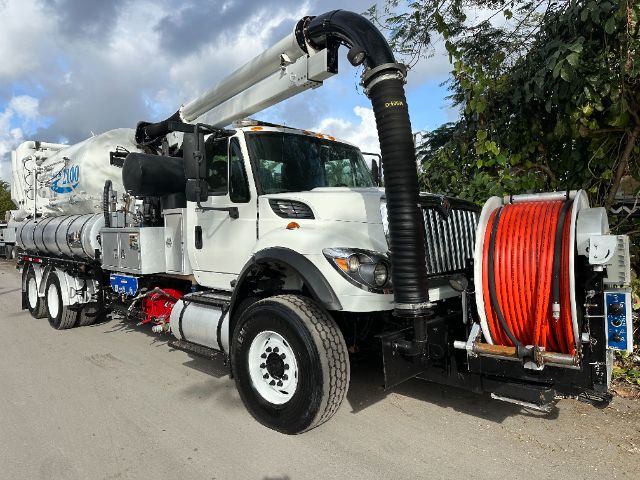
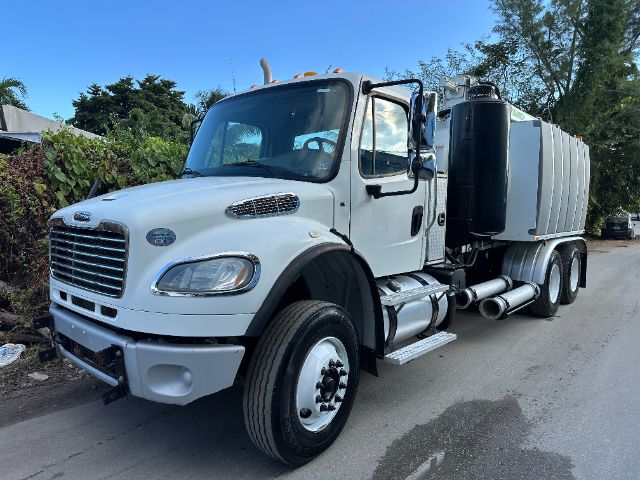
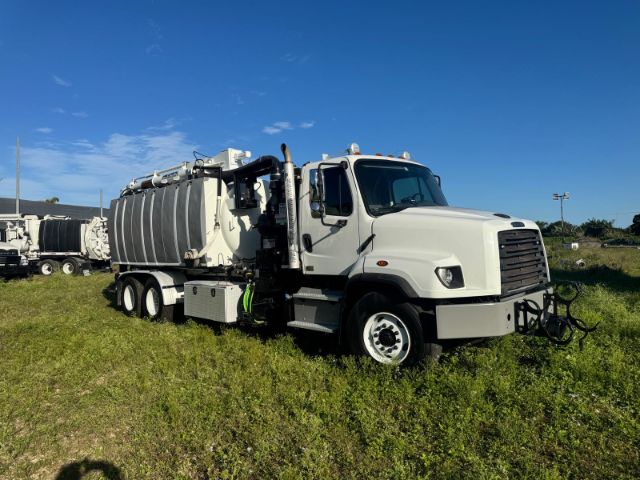
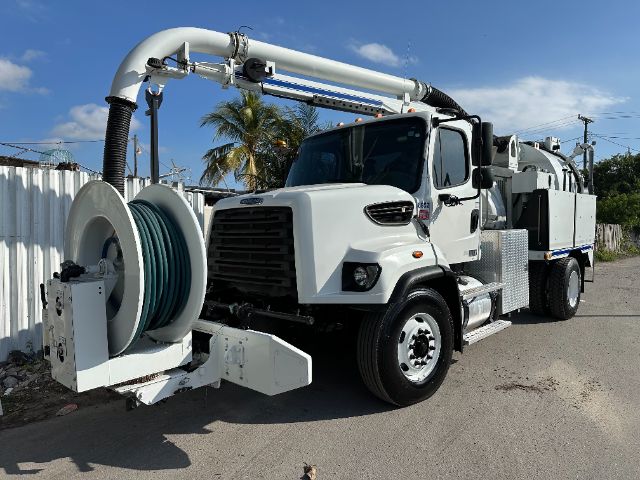
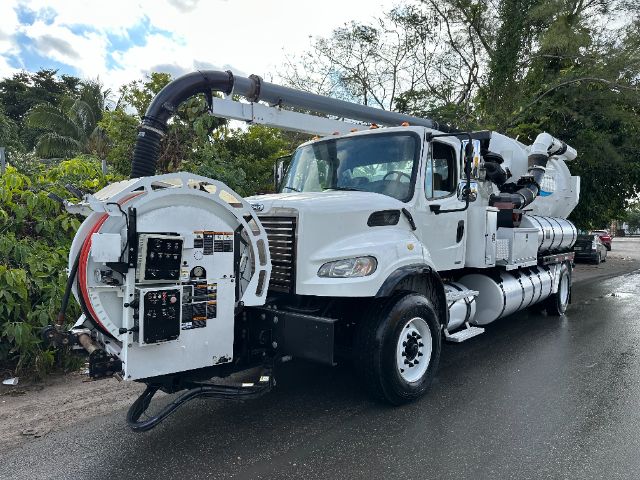
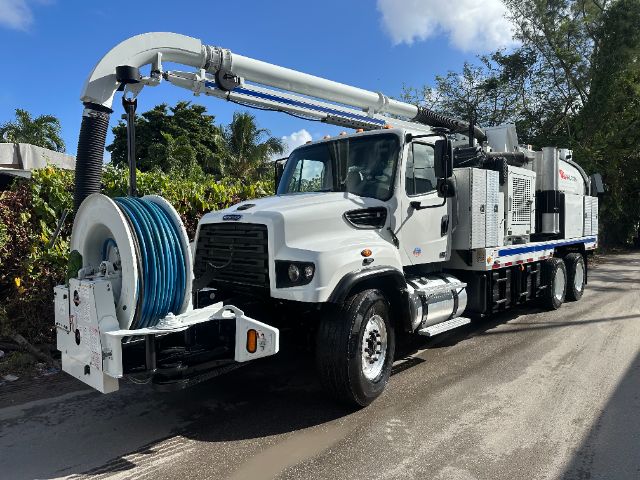
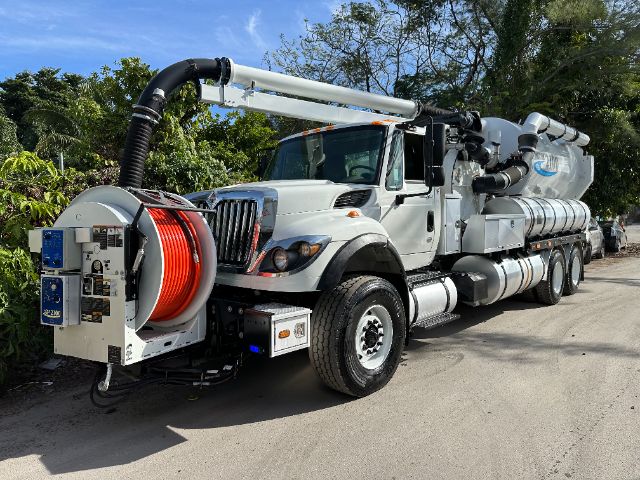
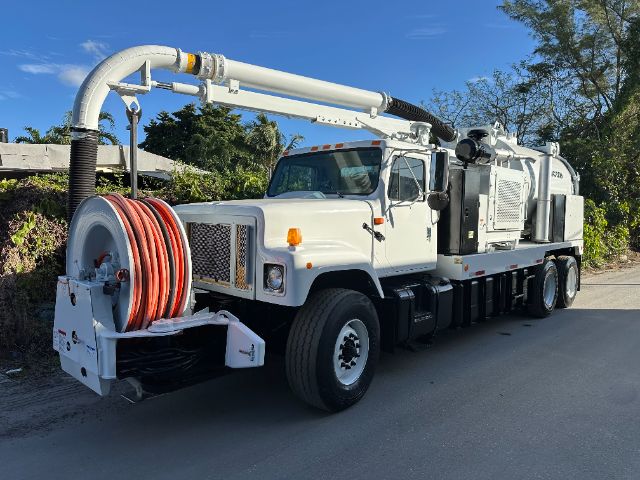
A large share of used trucks in South Florida are purpose-built units rather than plain cab and chassis models. Vacuum trucks, jetter combo trucks, brush trucks, fire apparatus, utility bodies, and other vocational configurations are common because municipalities, contractors, and infrastructure crews regularly cycle equipment out of service. On specialty trucks, the body and auxiliary systems are just as important as the base truck. Buyers should look closely at pump ratings, blower type, tank or debris body capacity, PTO or pony motor hours, hydraulic systems, hose reels, boom design, and rear door or dump body operation. A truck with modest chassis miles can still have substantial wear in the working equipment if hours are high or maintenance history is thin.
Miami-area operating conditions also affect what matters. Heat, humidity, salt air, and stop-and-go duty can accelerate corrosion, electrical issues, cooling system stress, and cab or body wear. That makes frame condition, wiring integrity, hydraulic leaks, pump performance, and evidence of rust around body mounts, doors, and compartments especially important. On ex-municipal trucks, buyers often find consistent preventive maintenance and cleaner service records, but they should still verify idle hours, PTO hours, engine hour-to-mile ratio, emissions equipment condition, tire date codes, and brake life. If the truck will stay in Florida, cooling capacity and A/C performance are not small details. They are daily-use requirements.
The strongest value usually comes from buying the right vocational spec, not simply the newest year model. A buyer comparing trucks in this category should focus on engine and transmission pairing, wheelbase, axle configuration, body manufacturer reputation, and the cost to return the truck to full working readiness. For vacuum and sewer maintenance trucks, that means confirming water capacity, PSI and GPM output, blower condition, hose reel function, and debris tank integrity. For emergency or brush trucks, it means pump certification, tank condition, 4x4 operation if equipped, and the state of lighting, storage, and control systems. A well-matched truck reduces downtime, shortens upfit needs, and holds value better in commercial service.
Frequently Asked Questions about Commercial Trucks Near Miami, Florida
What should I look at first when comparing used trucks for sale in Miami, Florida?
Start with the truck’s intended job, then verify that the chassis class, GVWR, axle ratings, wheelbase, and body type match that application. After that, review engine hours, miles, transmission type, service history, and the condition of any vocational equipment. In Miami, corrosion from humidity and salt exposure, cooling system performance, and air conditioning function deserve extra attention because they directly affect reliability in local operating conditions.
Are ex-municipal trucks a good buy?
Ex-municipal trucks can be a strong value because they are often maintained on scheduled service intervals and retired on replacement cycles rather than after total failure. The advantage is usually better documentation and less cosmetic neglect than many privately worked units. The tradeoff is that municipal service can involve heavy idling, PTO use, short-trip operation, and long equipment hours, so buyers need to evaluate hours and auxiliary system wear just as carefully as chassis mileage.
How do miles and engine hours affect the value of a used vocational truck?
On vocational and specialty trucks, hours can be as important as miles because many units spend a large part of their lives stationary while operating pumps, blowers, hydraulics, or PTO-driven equipment. A truck with relatively low road miles may still have substantial engine wear, cooling system stress, and auxiliary equipment fatigue if the hour count is high. Buyers should compare mileage, engine hours, PTO hours, and maintenance records together instead of relying on the odometer alone.
What matters most when buying a used vacuum or combo jetter truck?
The most important items are debris body condition, water tank capacity, pump pressure and flow rating, blower type, hose reel operation, hydraulic function, and the condition of the rear door seals and dump system. Chassis specs still matter, but the value of a vacuum truck is heavily tied to the performance of the working equipment. A complete inspection should include blower operation, pump output under load, signs of leaks, structural condition of the tank and body, and maintenance history for the auxiliary engine or pony motor if equipped.
Why is GVWR important when shopping for trucks?
GVWR affects legal payload, licensing requirements, registration class, braking capability, suspension design, and overall suitability for the job. A truck that is underspecified for the application will wear out faster and may create compliance issues, while an overspecified truck can bring unnecessary weight and operating cost. Matching GVWR and axle capacity to the body and intended use is one of the most important steps in selecting the right commercial truck.