
Commercial Trucks For Sale Near Methuen, Massachusetts
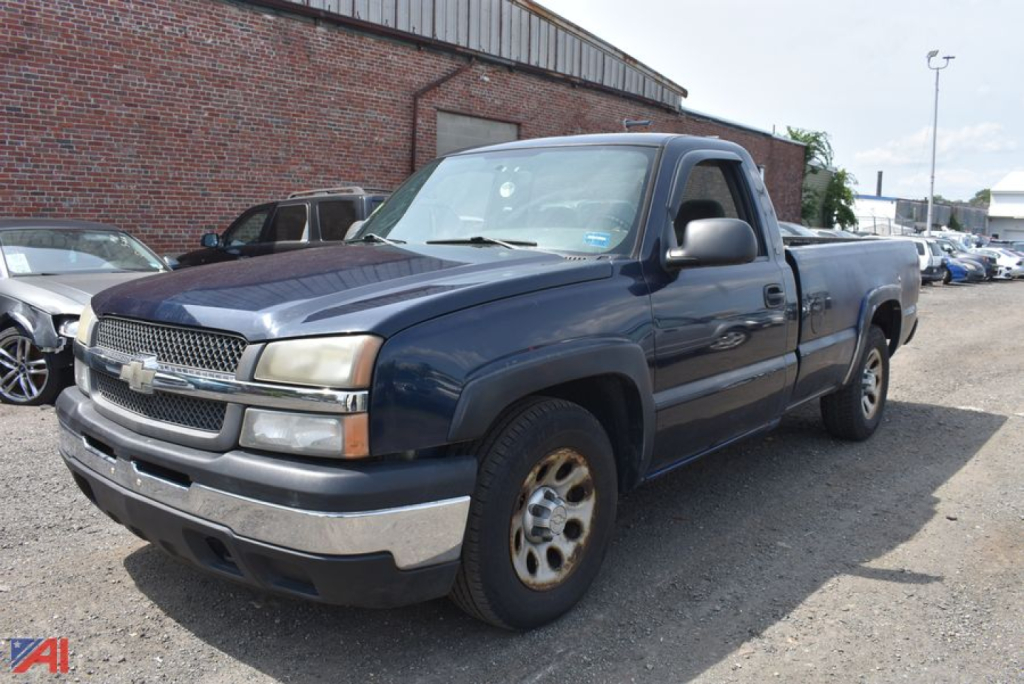
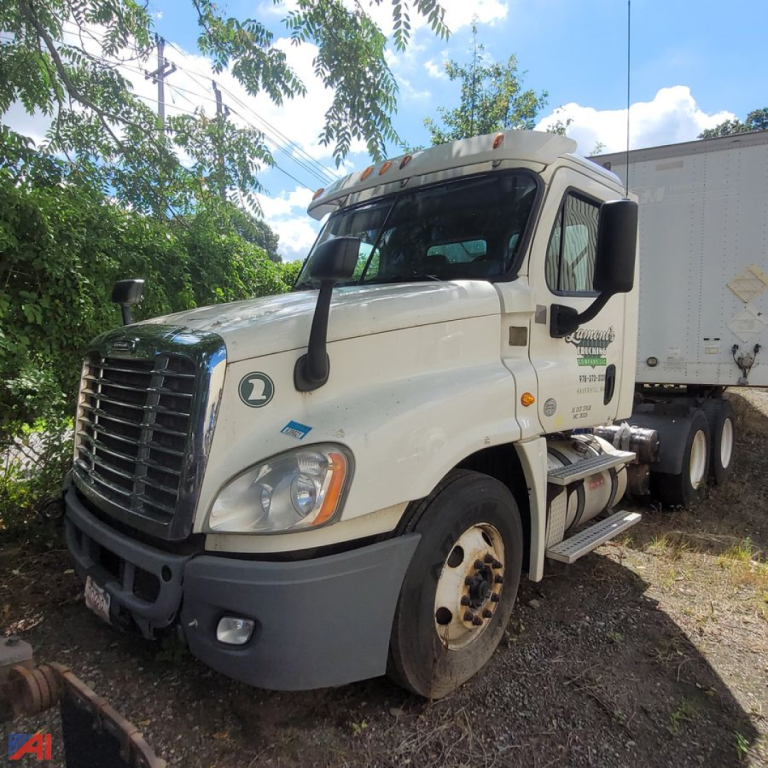
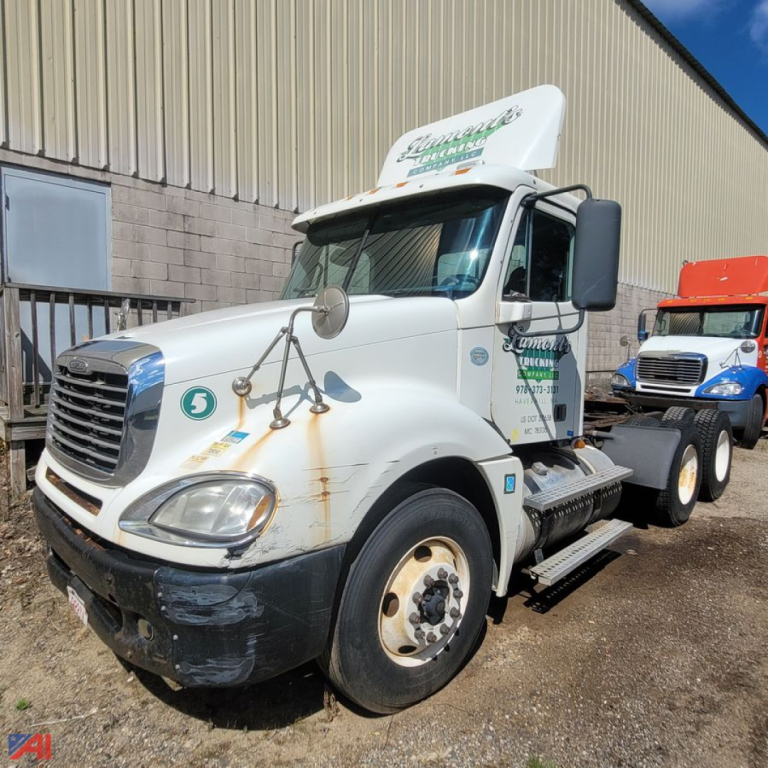
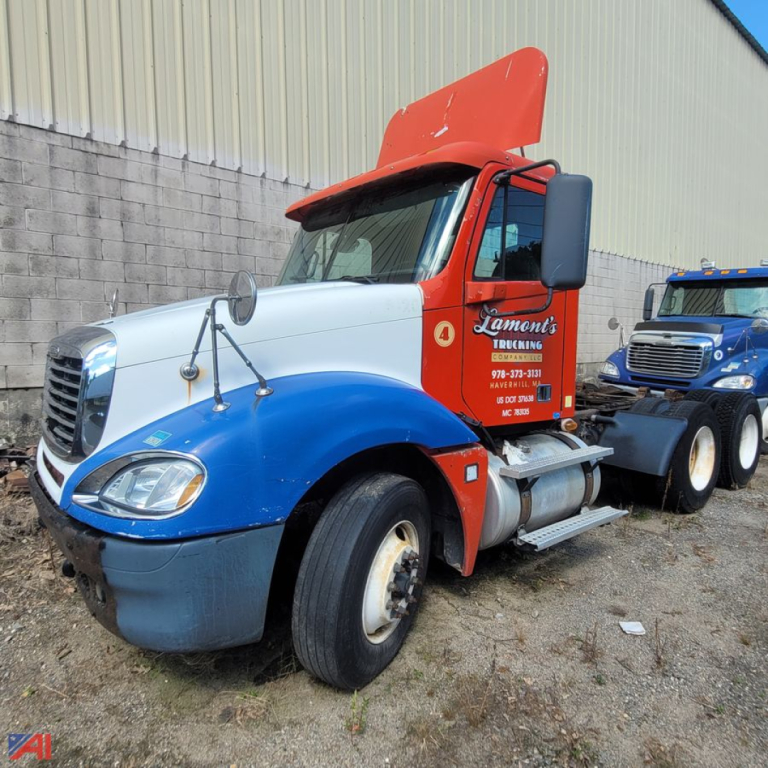
Have commercial truck to sell? List it here to reach thousands of buyers.
Commercial Trucks Near Methuen, Massachusetts
For straight trucks and vocational units, body condition matters as much as the engine and transmission. On a box truck, check the cube size, door opening height, floor condition, liftgate operation, and whether the truck was spec'd for local P&D work or heavier route use. On a service truck, look closely at compartment layout, payload available after the body and equipment are installed, PTO setup if applicable, and signs of hard utility work around outriggers, crane mounts, or tool compartments. On bucket trucks, the aerial device is the center of the evaluation. Buyers should confirm platform height, side reach, material handling capacity, insulation rating if required, hydraulic condition, and current dielectric or boom inspection status.
Powertrain choices in this category typically include diesel and gas engines paired with automatic transmissions, especially on fleet and municipal trucks. Medium-duty diesels remain common for higher GVWR applications because they offer better torque under load and longer service life when maintenance history is solid. Lighter service bodies and contractor trucks may use gas engines for lower acquisition cost and simpler emissions upkeep. In New England, rust, frame corrosion, brake line condition, and underbody exposure are especially important. A clean cab and body can still hide corrosion on spring hangers, crossmembers, outriggers, and hydraulic mounting points, so an undercarriage inspection is worth the time.
A good truck in this category should match the job route, payload, and operating environment without forcing unnecessary overhead. Urban delivery work around Methuen and the greater Massachusetts market may favor tighter wheelbases and lower cab heights for maneuverability, while utility and field-service applications may prioritize storage, PTO capability, and jobsite durability. Buyers comparing trucks should pay close attention to hours as well as miles on vocational equipment, review service records for hydraulic and aerial systems when applicable, and verify CDL requirements based on GVWR and body spec. The right choice is less about brand alone and more about how the truck was equipped, maintained, and used.
Frequently Asked Questions about Commercial Trucks Near Methuen, Massachusetts
What should I look for first when comparing trucks for sale?
Start with the truck's intended application, then confirm the GVWR, payload capacity, body type, and chassis configuration match that job. A box truck, service truck, and bucket truck can all be called trucks for sale, but they serve very different roles. After that, review engine type, transmission, axle ratings, wheelbase, brake system, and any PTO or hydraulic equipment. On vocational trucks, body and equipment condition often affects value and usability as much as the powertrain.
Are miles or hours more important on a commercial truck?
For standard delivery and straight trucks, mileage is a strong indicator of wear, but engine hours can tell a more complete story on trucks that idle heavily. On service, utility, and bucket trucks, hours on the chassis and on the auxiliary equipment are often just as important as miles because these units may spend long periods operating at a jobsite. A lower-mile truck with very high idle or boom hours may show more wear in the engine, hydraulics, PTO system, and electrical components than the odometer suggests.
What is most important when evaluating a used bucket truck?
The aerial device should be treated as the primary system, not just an attachment on the truck. Confirm working height, side reach, bucket capacity, insulation classification if required, and whether the truck includes material handling capability. Review hydraulic hose condition, turret operation, outrigger function, and maintenance records for annual inspections or dielectric testing. Chassis issues still matter, but overdue boom service or unresolved hydraulic problems can become the most expensive part of ownership.
Do I need a CDL to operate these trucks?
That depends on the truck's GVWR, GCWR, air brake configuration, and how it is used. Many light and medium-duty trucks can be operated without a CDL if they stay under the applicable weight threshold, but some larger box, utility, and vocational trucks will require a CDL, especially when equipped with heavier bodies or operated in commercial interstate service. Buyers should verify registration class, brake type, and state and federal requirements before purchase rather than assuming all straight trucks fall under the same rules.
What used-truck issues are common in Massachusetts and the Northeast?
Rust and corrosion are major concerns because road salt and winter moisture accelerate wear on frames, crossmembers, brake lines, suspension parts, fuel and hydraulic lines, and body mounts. On utility and bucket trucks, buyers should also inspect outriggers, subframes, and mounting points where corrosion can affect structural integrity. Electrical issues caused by weather exposure are also common. A truck that looks clean from the cab up can still have expensive underbody problems, so a thorough undercarriage inspection is essential.