
Used Mechanic Trucks For Sale
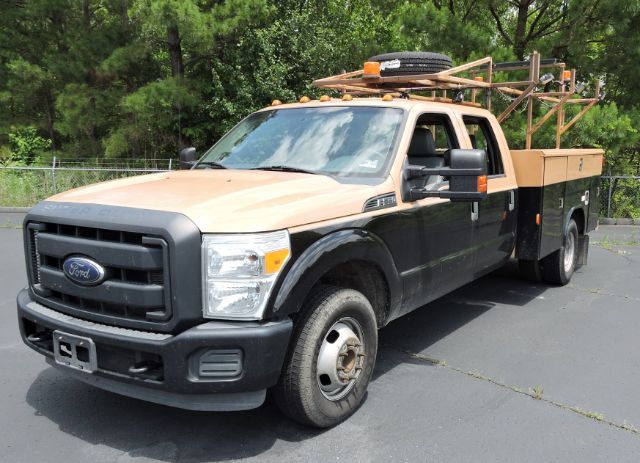
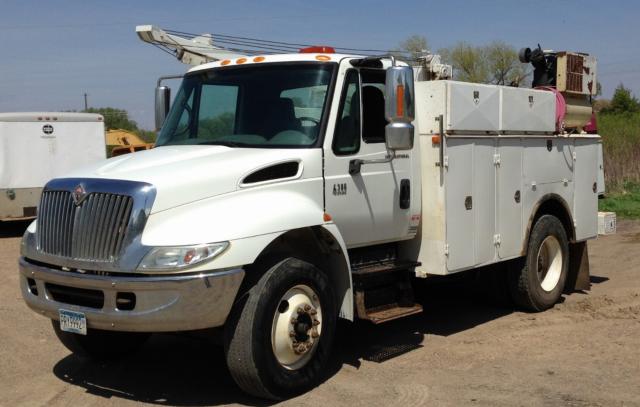
Browse used mechanic trucks with service cranes, air compressors, welders, and organized bodies. Compare chassis classes, crane capacity, and upfit options.
Have used mechanic truck to sell? List it here to reach thousands of buyers.
Used Mechanic Trucks
Power systems determine how productive the truck feels on the job. Electric-over-hydraulic cranes are simpler and fine for intermittent lifts. Full hydraulic cranes with PTO-driven pumps handle continuous duty, faster cycle times, and higher capacities. Air is just as important: reciprocating compressors are cost-effective for intermittent tool use, while rotary screw systems deliver consistent 40 to 70+ CFM for 1 inch impacts and sanders. Many trucks integrate welder-generators, inverters, jump-start systems, and fluid reels. Look for wireless remotes, load-sensing valves, and well-placed e-stops. Brands you will see often include IMT, Stellar, Auto Crane, Maintainer, Summit, and Service Trucks International on chassis like Ford F-550 and F-650, Ram 5500, Chevrolet/GMC 5500, Freightliner M2, International, Kenworth, and Peterbilt.
Body construction and layout change payload and longevity. Steel service bodies are rugged and budget-friendly but heavier and more prone to corrosion in northern salt regions. Aluminum and galvannealed or e-coated bodies resist rust and free up several hundred pounds of payload at a higher purchase price. Check for deep compartments with adjustable shelves, drawer packs, bolt bins, oxy-fuel storage, LED work lighting, workbench bumpers with vises, and scuff protection. Choose 4x4 if sites are off-pavement or in snow belts. Tire spec, rear suspension, and rear gear ratios should align with your travel speed and load profile, and automatic tire inflation on the crane truck is rare but good lighting and strobes are standard expectations.
On a used mechanic truck for sale, condition of the upfit matters as much as miles. Verify crane, compressor, and welder hours; perform a live load test; inspect boom wear pads, wire rope, sheaves, rotation bearing play, and outrigger pins. Look for body rust at mount points, cracked crossmembers, soft floors, and repaired outriggers. Cycle the PTO, confirm hydraulic pressures, check reel leaks, and test the remote. Review inspection records for the crane and lifting accessories and plan for re-inspection to meet site requirements. Confirm remaining payload against the door tag after all upfits, and note CDL implications at 26,001 lb GVWR and above. Diesel units with DEF and DPF should show healthy regen history and limited idle hours; gas engines can be advantageous for short-trip duty with less aftertreatment complexity.
Frequently Asked Questions about Used Mechanic Trucks
How much crane capacity do I need on a mechanic truck?
Match capacity to the heaviest components you routinely handle and consider reach. A 6,000 to 8,000 lb crane covers most on-road equipment work, while 10,000 to 14,000 lb cranes are common for heavy construction and aggregates. Crane ratings are given in ft-lb and de-rate as the boom extends, so a lift that is easy at 6 feet may not be possible at 20 feet. Proper outriggers, level setup, and staying within axle limits are essential to safe, repeatable picks.
Should I choose an electric crane or a PTO-driven hydraulic crane?
Electric cranes are simpler, lighter, and cost less, making sense for intermittent lifts and lighter service bodies. PTO-driven hydraulic cranes deliver higher capacities, faster line speed, smoother feathering, and continuous duty for demanding sites. If you also run a hydraulic-driven compressor or other hydraulic tools, a PTO system consolidates power and reduces electrical load. Consider your duty cycle, lift frequency, and maintenance resources.
What air compressor setup is best for service work?
For light to medium impact tools and tire work, a reciprocating compressor in the 20 to 40 CFM range at 150 to 175 psi is adequate. Continuous use of 1 inch impacts, grinders, or sanders pushes you toward a rotary screw compressor that maintains steady 40 to 70+ CFM at pressure without excessive heat or cycle fatigue. Integration method matters too: under-hood belt-driven systems save space and weight, while hydraulic-driven units pair well with PTO crane packages.
Which chassis class should I target for a mechanic service body?
Class 5 trucks like Ford F-550 or Ram 5500 handle compact bodies, electric cranes, and moderate tool loads efficiently. Class 6 and 7 platforms such as Freightliner M2, International, or Peterbilt medium-duty frames support longer bodies, larger hydraulic cranes, and greater payload with better stability and braking. Align wheelbase to body length, choose 4x4 for unimproved sites, and ensure axle and tire ratings cover the upfit plus your heaviest day.
Do I need a CDL to drive a mechanic truck with a crane?
CDL requirements are based primarily on GVWR. At 26,001 lb GVWR and above, a CDL is typically required, regardless of brake type. Many Class 5 builds fall below that threshold, while Class 6 and 7 units can be above it depending on configuration. Separate from the license, cranes used on certain jobsites may require documented inspections and operator qualification. Always verify your state rules and customer site requirements.
What should I inspect on a used mechanic truck before buying?
Look beyond mileage. Check crane hours and perform a lift test, inspect wire rope and hook blocks, verify outrigger function, and listen for rotation bearing play. Test the PTO engagement, hydraulic pressures, compressor output, and welder-generator. Examine body mounts, compartment floors, and crossmembers for rust or cracks. Confirm electrical upfit quality, remote operation, and lighting. Review service records and current inspection tags, then calculate remaining legal payload against the door placard.