
Ford Mechanic Trucks For Sale
Browse Ford mechanic trucks built for field service, mobile repair, and utility work, including common body setups, engines, GVWR, and cab options.
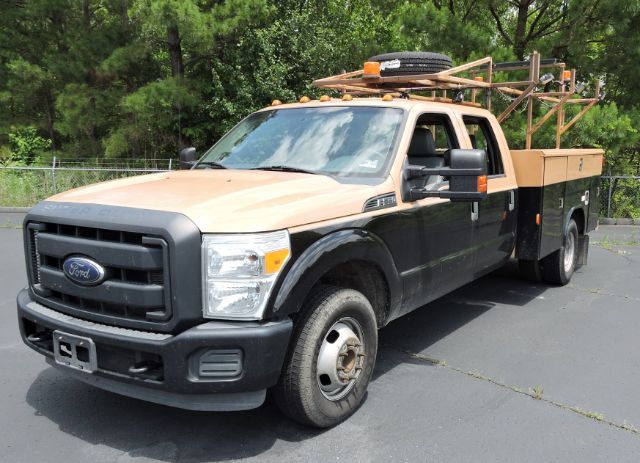
Selling a ford mechanic truck? List your ford mechanic truck for sale and reach thousands of commercial buyers.
Ford Mechanic Trucks
Frequently Asked Questions about Ford Mechanic Trucks
What should I look for first when buying a Ford mechanic truck?
Start with chassis rating and body configuration. An F-350 may be suitable for lighter service work, while an F-450 or F-550 is more appropriate when the truck carries a crane, compressor, welder, heavy drawers, and a full parts load. Check GVWR, rear axle rating, suspension type, wheelbase, and whether the body and equipment were matched correctly to the chassis. A mechanic truck that is overloaded on paper will usually be expensive to operate and hard to keep compliant.
Are Ford gas or diesel engines better for a mechanic truck?
That depends on the duty cycle. Ford gas engines are often attractive for municipal fleets, lighter service applications, and buyers who want lower upfront cost and simpler maintenance. Ford Power Stroke diesel trucks are more common when the truck spends long days idling, towing equipment, or carrying heavier service bodies. Diesel usually makes more sense when torque, fuel range, and sustained load matter more than purchase price.
What body features are common on Ford mechanic trucks?
Common setups include compartmented service bodies, ladder or pipe racks, receiver hitches, work lights, beacons, vise mounts, air compressors, hose reels, and crane foundations. On more dedicated mechanic units, buyers should also expect to evaluate crane brand and capacity, stabilizers, steel or aluminum body construction, drawer layout, lockable cabinets, and the condition of the rear work deck. Clean cabinet floors, solid compartment doors, and intact seals are important because body repairs can get expensive quickly.
How important is cab configuration on a Ford mechanic truck?
Cab choice affects payload, storage, and crew transport. Regular cab trucks usually maximize body length and keep wheelbase compact, which can help on tighter jobsites. SuperCab and Crew Cab models add passenger space for field crews and can improve daily usability, but they also reduce available body length on a given wheelbase and add curb weight. The right choice depends on whether the truck is primarily a single-technician service unit or part of a larger crew operation.
Do I need to inspect the truck differently than a standard utility truck?
Yes. In addition to normal engine, transmission, brake, and front-end checks, inspect the mechanic equipment itself. Verify crane operation, PTO engagement, outrigger function, compressor performance, hydraulic leaks, wiring condition, and any signs of frame modification or stress around the body mounts. A Ford chassis may be sound while the service equipment needs major work, so the truck should be evaluated as both a road unit and a piece of field-service equipment.