
Used Mack Trucks For Sale in Iowa
Browse used Mack trucks for sale in Iowa, including highway, vocational, and municipal models known for durability, power, and serviceability.
Learn more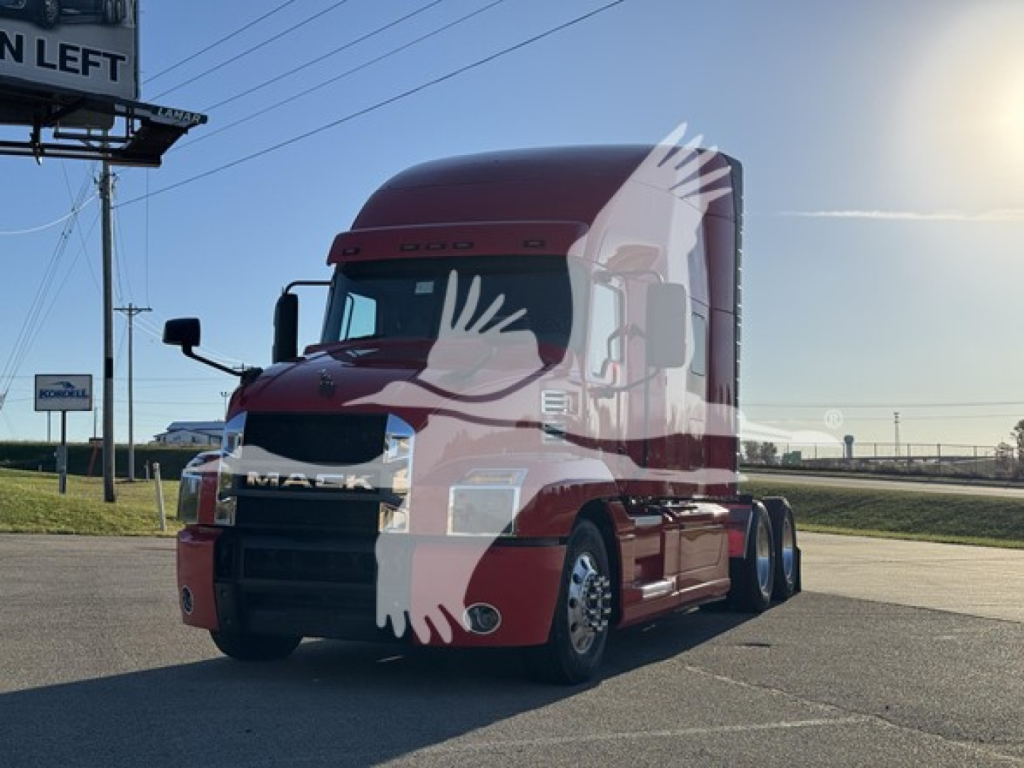
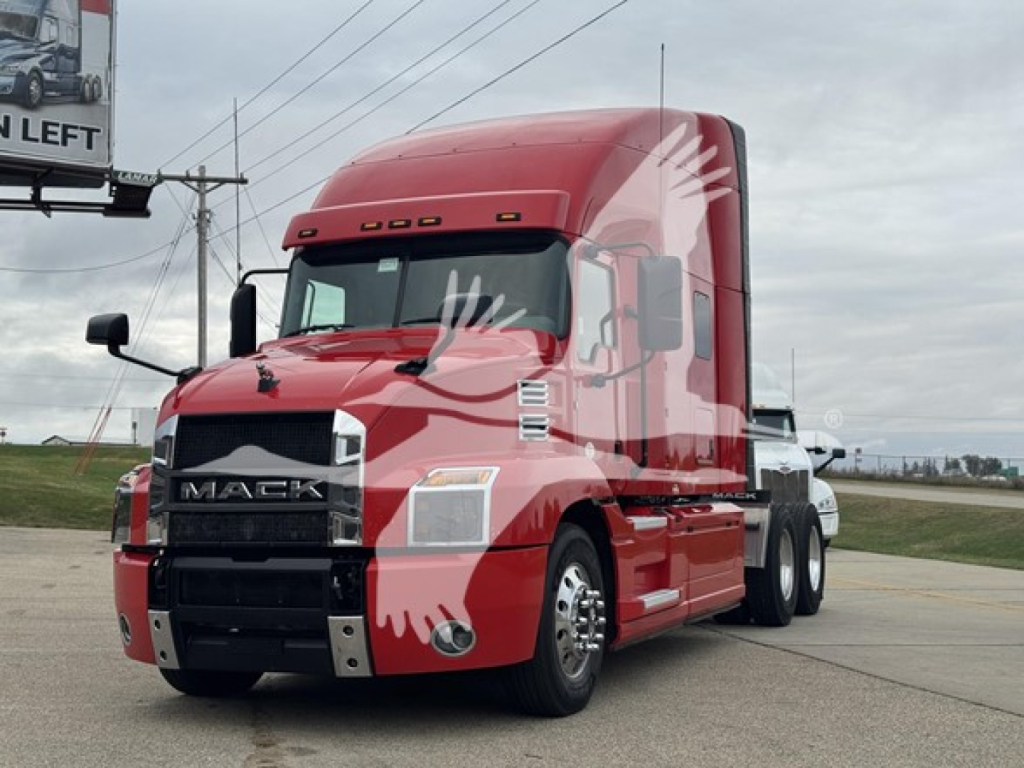

Have used mack truck to sell? List it here to reach thousands of buyers.
About Used Mack Trucks in Iowa
For highway use, Mack Anthem and Pinnacle day cabs and sleepers are common choices, often spec'd for regional haul, dedicated freight, or bulk work. Key details include engine family, horsepower, torque rating, transmission type, wheelbase, and rear axle ratio. Many used Mack road tractors are equipped with Mack MP series diesel engines and automated manual or manual transmissions, and some buyers specifically look for Mack integrated powertrain components for parts commonality and drivability. In Iowa, where routes can range from interstate freight lanes to shorter rural runs, fuel economy, service history, and suspension condition should carry as much weight as mileage.
On the vocational side, Mack Granite and LR models are frequently used in construction, municipal, refuse, and utility fleets. Granite models are well known for heavy front axle options, strong frame rails, and specs suited for dump bodies, mixers, roll-offs, and equipment hauling. The Mack LR is a low-entry cabover built primarily for refuse collection, with excellent visibility, frequent-stop ergonomics, and compatibility with automated side-loaders and other packer systems. Buyers comparing used vocational Mack trucks should pay close attention to PTO setup, body integration, hydraulic condition, axle capacity, and signs of frame or suspension fatigue from severe-service use.
A used Mack truck should be evaluated by looking past the badge and into the actual fleet spec. Engine hours, idle time, maintenance records, emissions system history, brake type, tire condition, and any upfit or body equipment all matter. In Iowa, seasonal road conditions and municipal or agricultural use can also affect corrosion, underbody wear, and cab condition. Mack trucks tend to appeal to buyers who want a purpose-built chassis with a reputation for toughness, and the best used unit is usually the one with the right application match, documented service history, and a spec that supports the work without being overbuilt or underbuilt.
Frequently Asked Questions
What are the most common used Mack truck models buyers look for?
The most common used Mack truck models depend on the job. Anthem and Pinnacle are common for on-highway tractor applications, while Granite is a popular vocational platform for dump, mixer, and heavy construction work. The LR is widely used in refuse service because of its low-entry cab and visibility. Some buyers also look for TerraPro models in severe-service and municipal applications. Model choice should be tied to body type, axle requirements, duty cycle, and operating environment.
Are Mack trucks a good choice for vocational work?
Mack trucks are widely regarded as a strong vocational choice because many are built with heavy-duty frame rails, high axle ratings, vocational suspensions, and configurations designed for body-builder compatibility. Mack Granite and LR models are especially common in construction and refuse fleets. A used Mack vocational truck can be a good value when the chassis spec matches the job and the hydraulic, suspension, and body systems have been properly maintained.
What should I check on a used Mack truck before buying?
The most important checks include engine and emissions history, transmission operation, axle and suspension wear, brake condition, frame integrity, and signs of rust or collision repair. On vocational trucks, inspect PTO function, hydraulic plumbing, body mounts, and any upfitted equipment such as hoists, packers, or lift systems. Service records and engine hours are especially useful because they help explain how the truck was operated, not just how many miles it has.
What makes the Mack LR different from other Mack trucks?
The Mack LR is a low-entry cabover designed mainly for refuse collection. It has a low step-in height, wide windshield visibility, and a cab layout intended for frequent stops and repeated driver entry and exit. It is very different from a conventional highway tractor or construction truck because its design priorities are route efficiency, visibility, and compatibility with refuse bodies rather than long-haul comfort or off-road ground clearance.