
2018 Mack Trucks For Sale
Shop 2018 Mack trucks for sale, including highway and vocational models with MP engines, mDRIVE transmissions, strong frames, and fleet-ready specs.

Have 2018 mack truck to sell? List it here to reach thousands of buyers.
2018 Mack Trucks
The most common engine family in this year is the Mack MP series. MP7 engines are often found in regional haul and vocational applications, while MP8 ratings are more common in highway tractors and heavier hauling specs. Horsepower and torque can vary widely, so it is worth checking not just the advertised hp but the rear ratio, transmission calibration, and expected cruising speed. Many 2018 Mack trucks were spec'd with mDRIVE or mDRIVE HD automated transmissions, which can be a strong fit for fleets focused on driver consistency and clutch life, especially in stop-and-go or mixed-duty operation. In vocational trucks, look closely at front axle capacity, lift axle provisions, camelback versus air ride suspension, and any signs of body-upfit stress around the frame, hoist mounts, or crossmembers.
For buyers focused on operating cost, 2018 is a practical model year because parts support is broad and most shops that handle Class 8 equipment are familiar with Mack emissions systems, chassis electronics, and service points. A clean service history matters more than low miles alone. On a used 2018 Mack, pay attention to DPF and SCR maintenance records, coolant system condition, suspension bushing wear, steering play, brake type, and the health of the aftertreatment components if the truck has spent a lot of time idling or in severe stop-start duty. On highway tractors, sleeper condition, fairing integrity, and tire wear patterns can reveal how the truck was maintained. On vocational units, inspection should include PTO operation, hydraulic plumbing, body controls, and any corrosion from municipal or winter-road service.
Mack remains a strong choice for buyers who want a truck with a reputation for sturdy chassis design and integrated powertrain options. A 2018 Mack truck can fit linehaul freight, construction, refuse, municipal snow work, and specialized regional hauling depending on the model and spec. The best buy is usually not the highest horsepower truck, but the one with the right axle ratings, gearing, suspension, and cab setup for the job. When comparing listings, focus on model family, engine and transmission combination, wheelbase, GVWR, axle capacities, and prior application, because those details determine how well a 2018 Mack will perform in your fleet.
Frequently Asked Questions about 2018 Mack Trucks
What Mack models are commonly found in 2018 trucks?
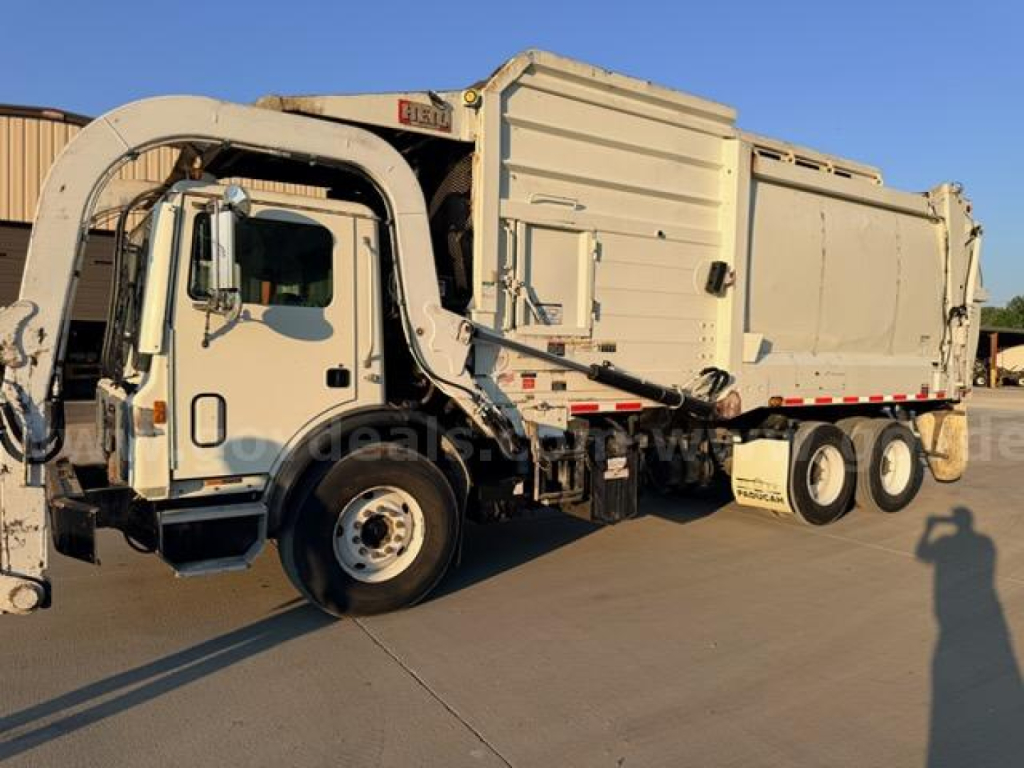
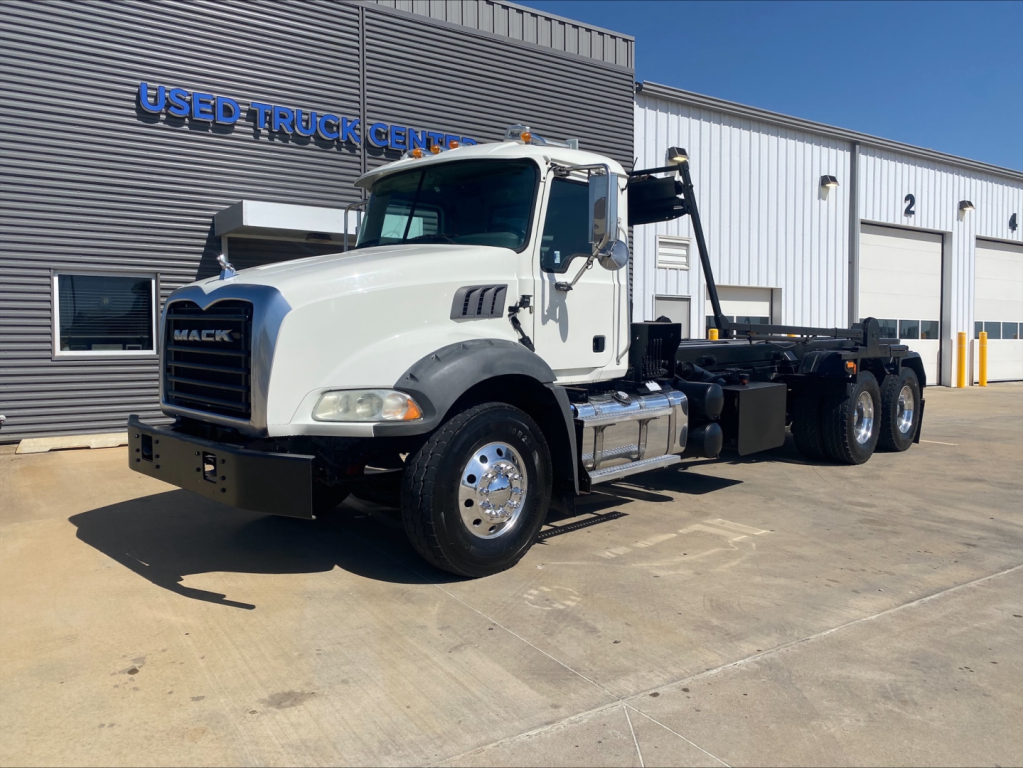
The most common 2018 Mack trucks include the Anthem for highway use, the Granite for vocational work, the Pinnacle in highway and regional applications, and the TerraPro for refuse and severe-service municipal work. Exact availability depends on the market, but these model families cover most of the 2018 Mack trucks buyers see in used listings. The model name matters because it tells you a lot about the truck's intended use, frame design, cab layout, and likely axle and suspension options.
Is the Mack mDRIVE transmission a good choice in a 2018 truck?
In many applications, yes. The mDRIVE automated manual transmission is widely used in 2018 Mack trucks and is especially attractive for fleets that want easier driver onboarding, more consistent shifting, and reduced clutch wear. In vocational settings, mDRIVE HD can be a strong fit when paired with the right gearing and PTO setup. The key is to make sure the transmission programming matches the truck's duty cycle, because a highway calibration and a severe-service calibration can feel very different in real work.
What should I inspect on a used 2018 Mack truck before buying?
Start with service records, engine hours, and the truck's previous application. Then inspect the aftertreatment system, look for fault history, and verify DPF and SCR maintenance. Check suspension wear, steering components, brake condition, tire wear patterns, and signs of frame stress or corrosion. On vocational trucks, inspect PTO function, hydraulics, body mounts, and crossmembers. On highway tractors, pay close attention to sleeper condition, fairings, and driveline wear. A thorough inspection is important because two 2018 trucks with similar mileage can have very different remaining life depending on how they were used.
Are 2018 Mack trucks better suited for highway or vocational work?
That depends entirely on the model and spec. A 2018 Anthem or Pinnacle configured as a sleeper or day cab is aimed at highway, regional, and linehaul freight. A 2018 Granite or TerraPro is usually better suited to dump, mixer, refuse, municipal, and construction work. Mack has long been strong in vocational applications because of its frame and suspension options, but the 2018 lineup also includes capable aerodynamic highway tractors. Buyers should match the truck to the application rather than assume all Mack trucks are built for the same kind of work.
What specs matter most when comparing 2018 Mack trucks for sale?
The most important specs are engine model and rating, transmission type, axle configuration, rear ratio, wheelbase, suspension, GVWR, and cab style. Those details affect payload, maneuverability, fuel economy, highway speed, and body compatibility. For vocational buyers, front axle rating, PTO capability, and frame setup are especially important. For highway buyers, aerodynamics, sleeper size, fuel capacity, and gearing usually matter more. Looking past general descriptions and comparing the hard specs will usually lead to a better buying decision.