
Lube Trucks For Sale
Lube trucks for sale: mobile fuel‑lube and PM service trucks with product tanks, pumps, reels, compressors, and waste oil recovery. Compare key specs.
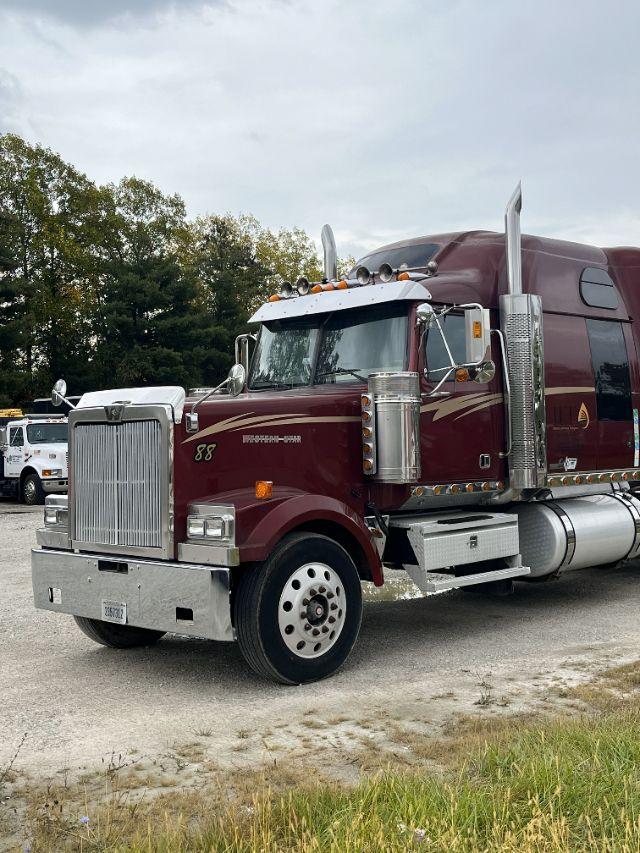
Selling a lube truck? List your lube truck for sale and reach thousands of commercial buyers.
Lube Trucks
Chassis selection sets payload and accessibility. Class 5 to 7 trucks handle light- to mid-volume PM routes and can be spec’d near the 26,000 lb GVWR line for non-CDL operation, while Class 8 platforms support larger tank counts, cranes, and higher daily service volumes. Verify axle ratings and wheelbase against the body and tank group to maintain legal axle loads when tanks are full. Spring suspensions keep costs down; air ride improves ride quality for sensitive metering systems. Air brakes pair well with PTO packages and heavier bodies. Power options include PTO-driven hydraulics, underhood or engine-driven air, or gas/diesel skid compressors. Rotary screw compressors in the 40 to 80 cfm range support simultaneous pumping and pneumatic tools; reciprocating units fit lighter-duty service. Climate packages add in-tank heaters, reel cabinet heat, block heaters, and insulation for cold regions; high-heat builds emphasize ventilation and UV-resistant hoses.
Application fit matters. Mobile lube trucks boost uptime for construction, mining, pipeline, agriculture, wind, and municipal fleets by bringing PM and top-offs to the field. Many builds include grease systems, filter storage and drain racks, parts washers, and used filter bins. Some units add diesel transfer modules for fueling and light cranes for filter or guard handling. If carrying gasoline or operating as a fuel-heavy combo, confirm DOT tank code, placarding, and shutoff requirements; diesel-only service may be less restrictive but still demands proper tank ratings, bonding/grounding, and spill control. DEF freezes at 12 F, so insulated, heated cabinets and purge features are valuable in cold climates. Electronic fluid inventory systems can track dispenses by product and asset, useful for work order accuracy and cost control.
When comparing listings, note the exact tank list and capacities by product, pump types and ratios with rated flow, hose sizes and reel lengths, metering brand and style, compressor type and cfm, generator or welder options, and waste oil recovery method (vacuum vs diaphragm). Check cabinet design, door seals, scuff protection, and lighting. Confirm DEF tank material and dedicated lines, presence of heaters, and contamination controls like quick-connect dry-breaks and filtered breathers. Review chassis GVWR, axle ratings, wheelbase, PTO provisions, drivetrain (4x4 if off-road), and brake type. Ask for maintenance records on pumps, meters, compressor, and hose reels, and inspect for leaks, hose cracking, reel spring tension, and corrosion in tank saddles and reel cabinets. A well-matched mobile lube truck balances payload, ergonomics, and compliance to deliver fast, clean PM service in the field.
Also known as: Lubrication Truck, Lube Service Truck
Frequently Asked Questions about Lube Trucks
What size lube truck do I need?
Right-size the truck to your daily service volume, product mix, and route distance. Add up typical dispenses per day for engine oil, hydraulic oil, gear lube, coolant, grease, and DEF, then size each tank with a 10 to 20 percent buffer plus enough waste oil capacity to bring used fluids back. Class 5 to 7 trucks suit light- to mid-volume PM rounds and tighter jobsites; Class 8 platforms handle higher volume, longer hoses, cranes, and larger waste oil tanks. Verify wheelbase and axle ratings to keep axle weights legal when all tanks are full.
Do I need a CDL or hazmat endorsement to operate a lube truck?
A CDL generally depends on GVWR and combination weight. Trucks at or below 26,000 lb GVWR can be spec’d for non-CDL operation, while higher GVWR or towing may require a CDL. Hazmat and placarding depend on what and how much you carry—gasoline and certain bulk fuel configurations trigger stricter DOT rules; diesel alone can be less restrictive but still regulated. Always verify federal, state, and local requirements for tank code, placards, quantity thresholds, and driver endorsements before operating.
What pump and compressor specs should I look for?
Match pump ratio and flow to the viscosity and hose length. Many builds use 3:1 piston pumps for engine oil and 5:1 for heavier gear lubes to maintain flow at longer runs or in cold weather. Diaphragm pumps handle waste oil and coolant well. For air supply, rotary screw compressors in the 40 to 80 cfm range support simultaneous fluid dispense and pneumatic tools; reciprocating units work for lighter duty. PTO-hydraulic systems reduce separate engines to maintain, while gas or diesel skid packs simplify installs but add service points.
How should DEF and coolant be handled on a lube truck?
DEF needs stainless or poly tanks, dedicated hoses and reels, and clean, sealed couplers to prevent contamination. Heated or insulated cabinets and line purge features are helpful since DEF freezes at about 12 F. Coolant can share similar poly or coated steel tanks with compatible seals. Keep DEF entirely isolated from petroleum products, use labeled meters, and consider inline filtration for both fluids to protect equipment systems and reduce warranty risk.
What’s the difference between enclosed and open-deck lube bodies?
Enclosed bodies protect pumps, reels, and meters from dust, precipitation, and theft, improving component life and cold-weather operation, but they add weight and can reduce payload. Open-deck bodies are lighter, easier to service, and typically lower cost, though they expose equipment to the elements. Choose based on environment—quarries, mines, and dusty jobs favor enclosed cabinets; on-road PM routes with frequent service access often prefer open layouts.