
Commercial Trucks For Sale Near Lowell, Michigan
Have commercial truck to sell? List it here to reach thousands of buyers.
Commercial Trucks Near Lowell, Michigan
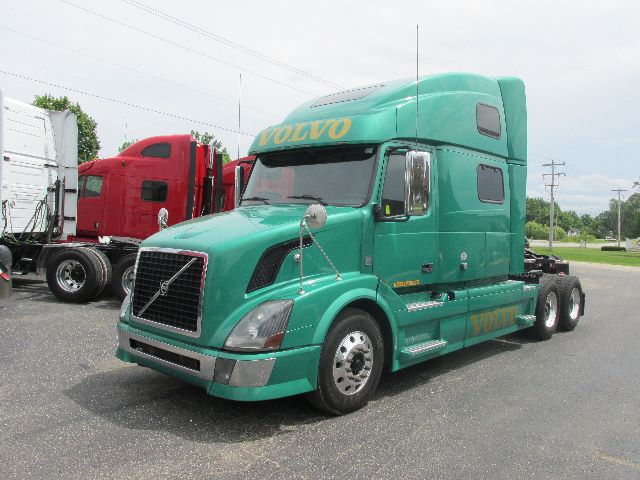
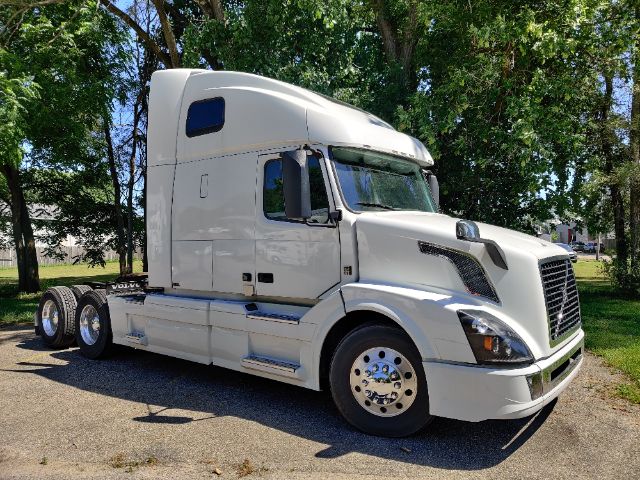
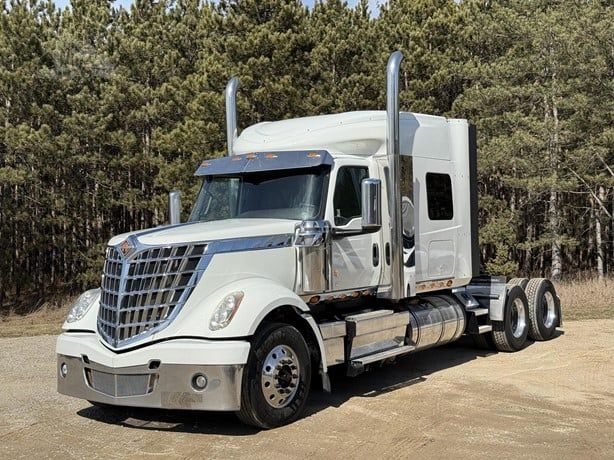
For highway tractors, the biggest buying decisions usually come down to powertrain and intended lane. Many used road trucks in this class run Cummins, Volvo, Caterpillar, or International-supported engines with horsepower ratings commonly in the 400 to 500 hp range, paired with 10-speed, 13-speed, or automated transmissions. A sleeper tractor meant for Midwest regional freight may prioritize fuel capacity, gear ratio, and bunk size, while a long-wheelbase owner-operator spec may add dual exhaust, sliding fifth wheel, air ride suspension, and higher trim interior features. Buyers should also look closely at maintenance history, emissions system service, brake and drum condition, tire age and tread, and whether the truck has air ride cab, engine brake, and recent inspection documentation.
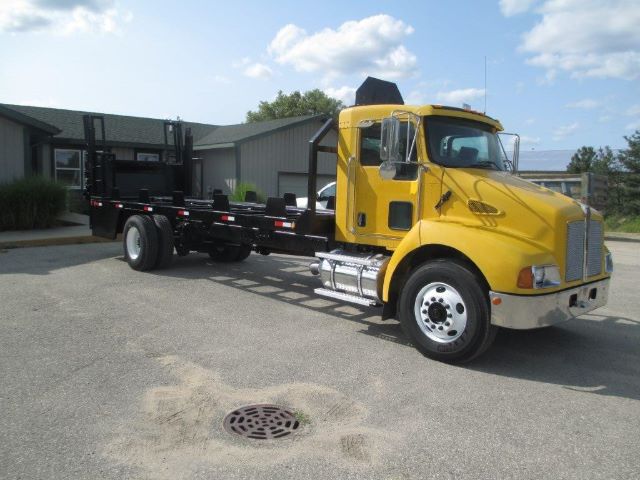
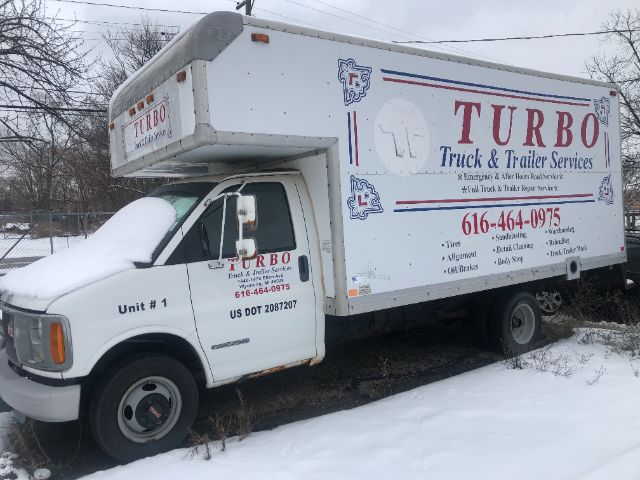
Medium-duty and straight trucks in this category serve a different need. Flatbed trucks, box trucks, and service trucks are often chosen based on body length, liftgate presence, spring versus air suspension, single-axle maneuverability, and engine accessibility for local maintenance. A 24-foot bed, 22.5-inch rubber, and automatic transmission can be a practical setup for pallet delivery, jobsite supply runs, or municipal and contractor use. In this part of Michigan, buyers often balance highway capability with local road maneuverability, especially if the truck will see a mix of small-town stops, warehouse access, and seasonal weather.
Condition matters as much as spec on used trucks. Mileage alone does not tell the full story. A properly maintained higher-mile sleeper can be a better value than a lower-mile truck with weak service records or deferred repairs. Check frame condition, signs of structural damage, drivetrain leaks, suspension wear, steering components, DOT compliance items, and cab electronics. For any truck category, the smartest comparison is total operating fit: payload needs, route profile, licensing requirements, serviceability, and how quickly the truck can be put to work without major reconditioning.
Frequently Asked Questions about Commercial Trucks Near Lowell, Michigan
What types of trucks are commonly found in this category?
This category typically includes sleeper tractors, day cabs, box trucks, flatbeds, service trucks, and other medium-duty or heavy-duty commercial trucks. The exact truck type determines its best use. Sleeper tractors are built for long-haul freight and driver comfort over multiple days, while straight trucks and flatbeds are more common in local delivery, construction supply, equipment hauling, and service work. Buyers should first narrow the search by application, then compare axle setup, body style, engine, and transmission.
What specs matter most when buying a used truck?
The most important specs depend on the job, but buyers usually start with engine make and horsepower, transmission type, axle configuration, wheelbase, suspension, and GVWR or axle ratings. On road tractors, fuel capacity, sleeper size, gear ratio, and fifth wheel setup are also important. On straight trucks, body length, liftgate, single-axle maneuverability, and payload capacity often matter more. Beyond the published specs, maintenance records, tire condition, brake life, and emissions system history can have a major effect on actual ownership cost.
Is a manual or automatic transmission better in a used commercial truck?
Neither is automatically better. A manual transmission can appeal to buyers who want more direct control, simpler operation in some service environments, and compatibility with certain heavy-haul or traditional fleet preferences. An automatic or automated transmission can reduce driver fatigue, improve consistency across multiple operators, and make local stop-and-go work easier. The better choice depends on route type, driver pool, maintenance support, and resale expectations in your market.
How important is mileage on a used truck?
Mileage is important, but it should never be the only measure of value. A high-mileage truck with documented maintenance, recent brake work, strong tires, and major component service can be a better purchase than a lower-mileage truck with poor records or long periods of neglect. Engine hours, idle time, chassis condition, driveline wear, and emissions-related repairs often tell more about remaining life than the odometer alone. Buyers should evaluate total condition and service history together.
What should a buyer inspect before purchasing a used truck in Michigan?
A buyer should inspect the frame, suspension, steering components, brakes, tires, wheel seals, driveline, cooling system, electrical functions, and any signs of structural damage or corrosion. In Michigan, road salt exposure makes undercarriage and frame condition especially important. On highway tractors, it is also smart to review fifth wheel wear, air system performance, and emissions equipment history. On straight trucks or flatbeds, inspect the body, deck, liftgate if equipped, and mounting points for signs of fatigue, rust, or repair.