
Trucks For Sale in Louisiana
Used trucks in Louisiana. Compare day cabs, sleepers, box and dump trucks. See specs, applications and buyer tips for Gulf Coast operations.
Learn morePopular Trucks Categories

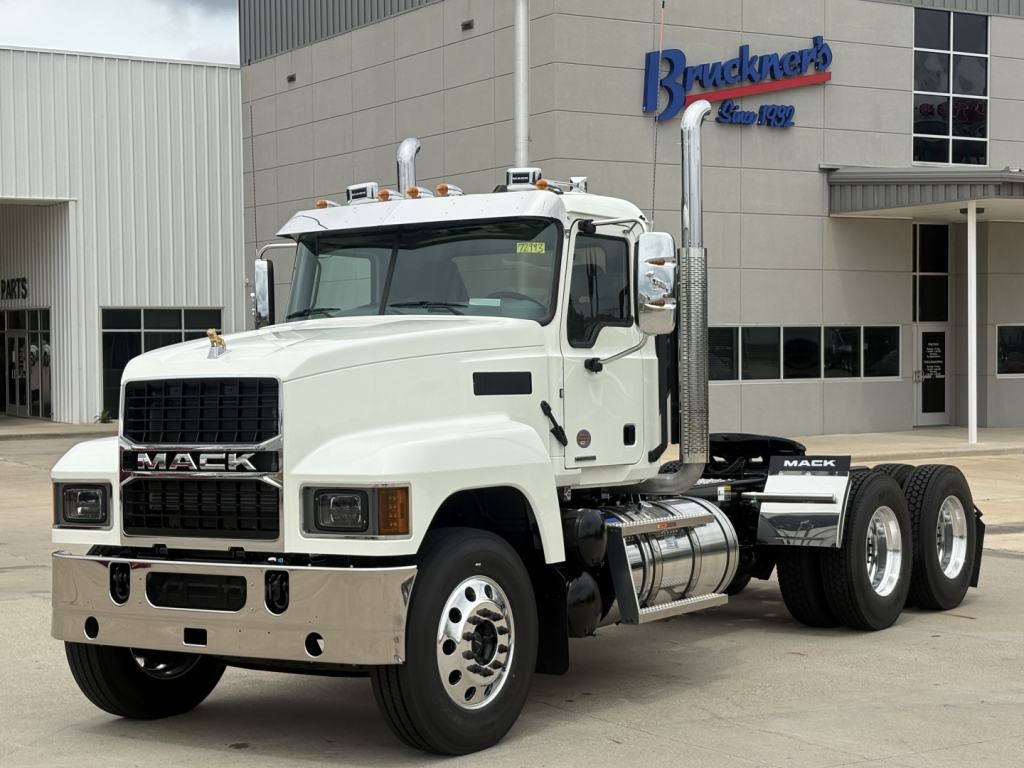
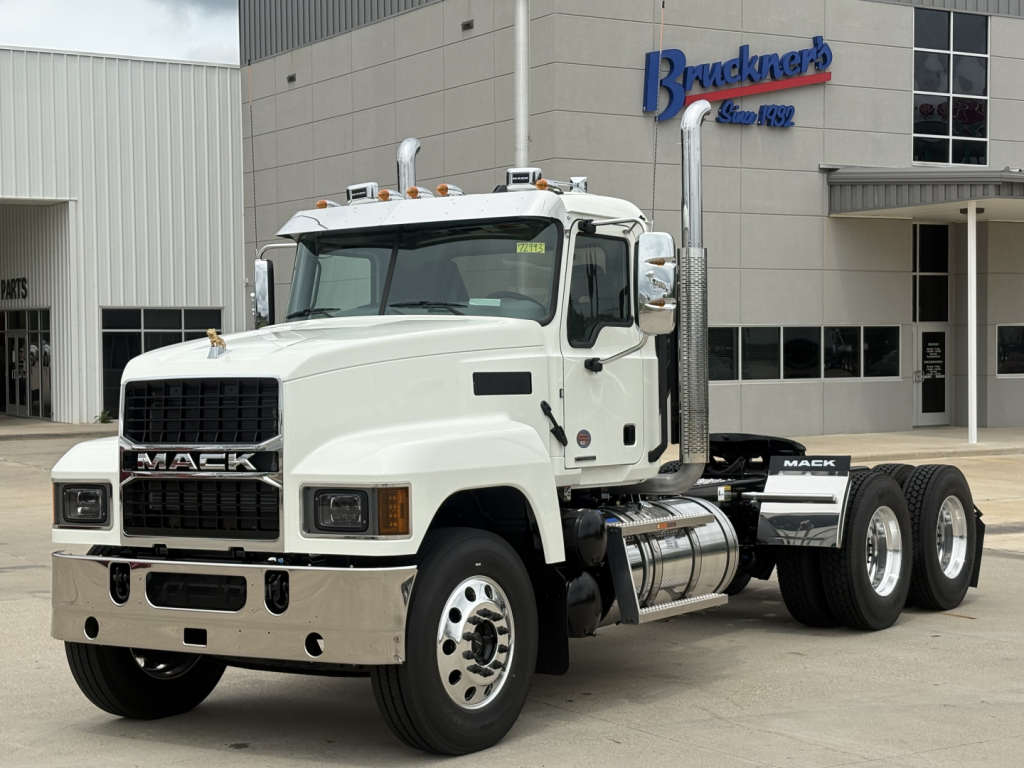
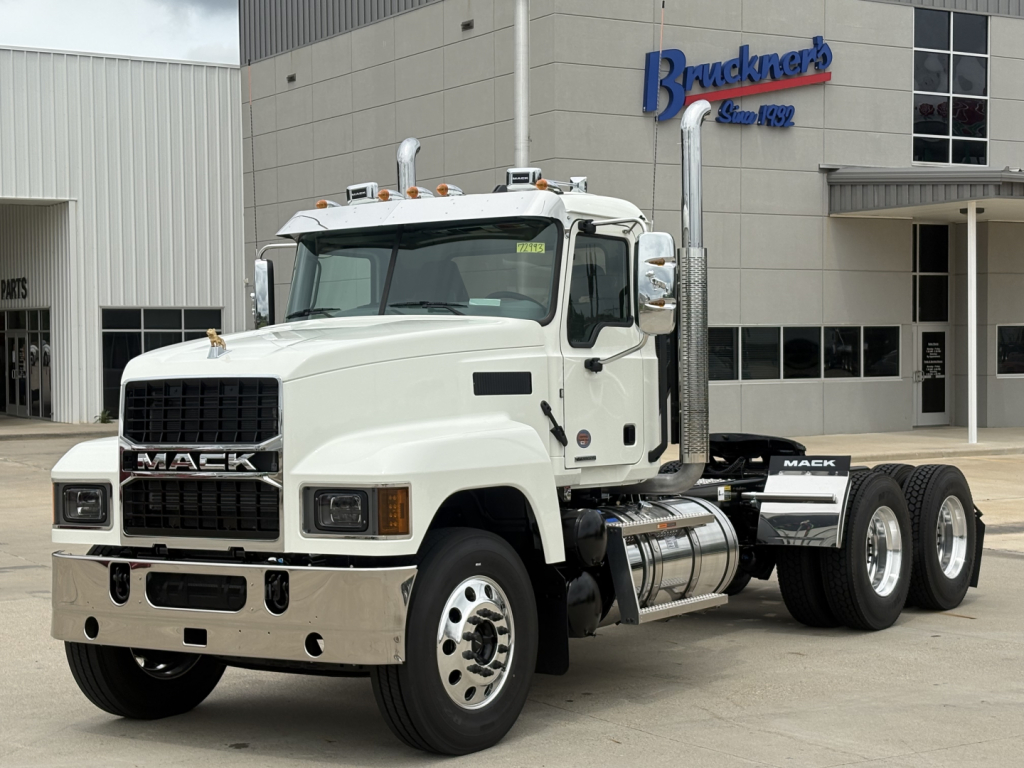
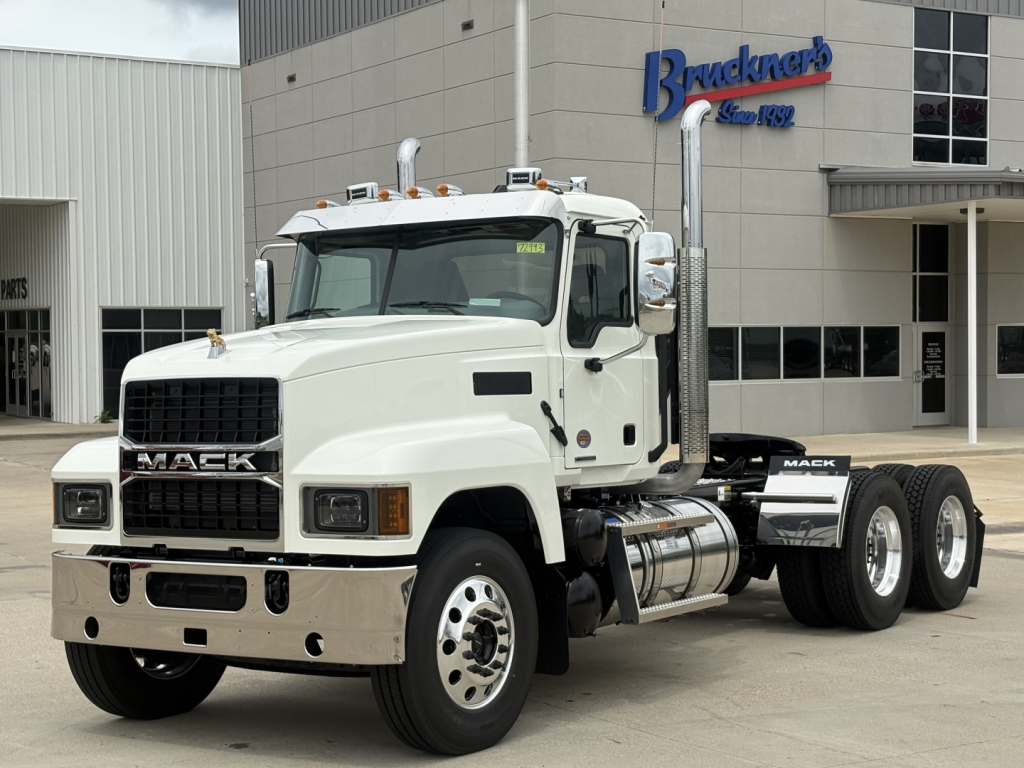
Showing 37 to 48 of 68 results
Have truck to sell? List it here to reach thousands of buyers.
About Trucks in Louisiana
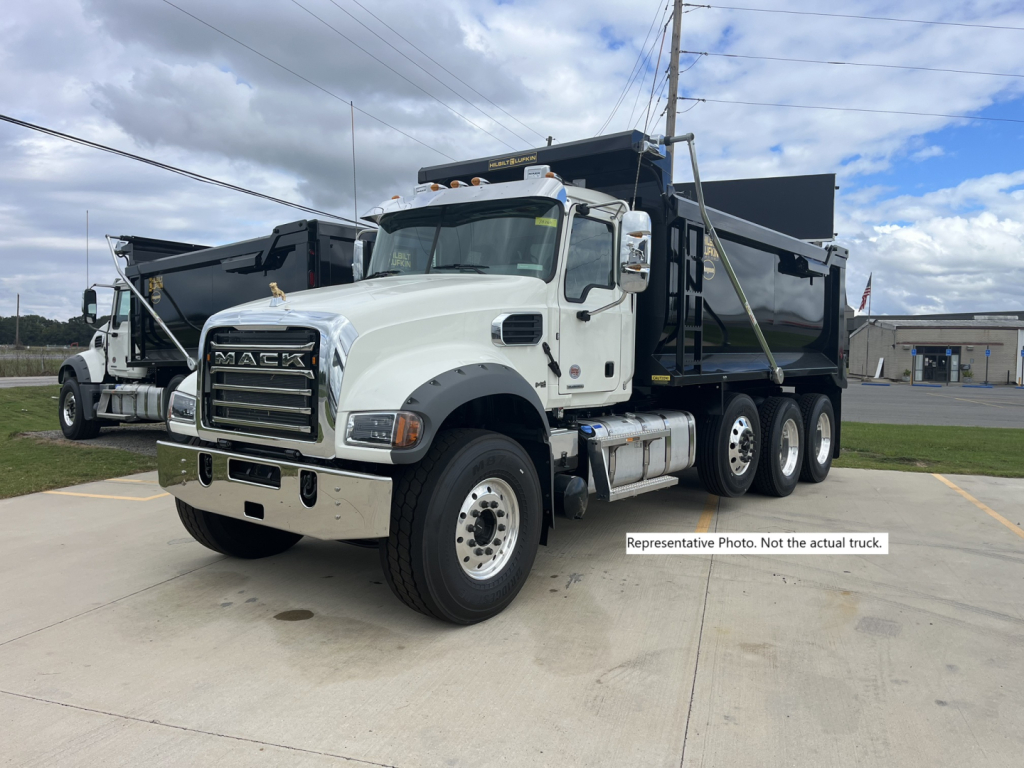
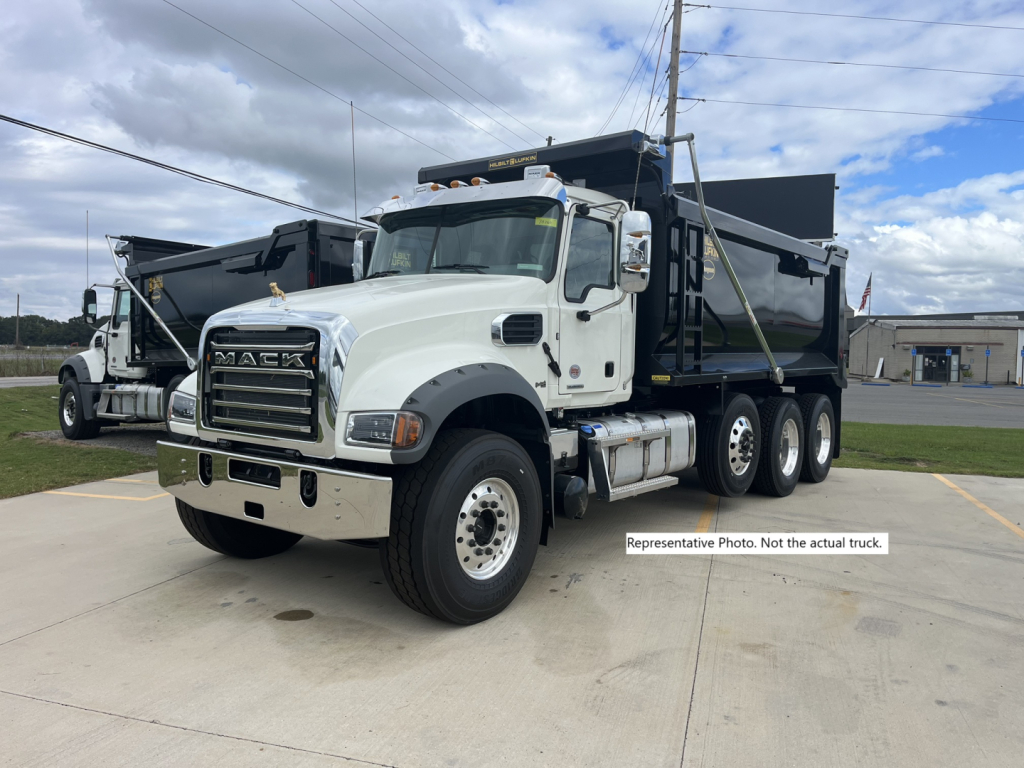
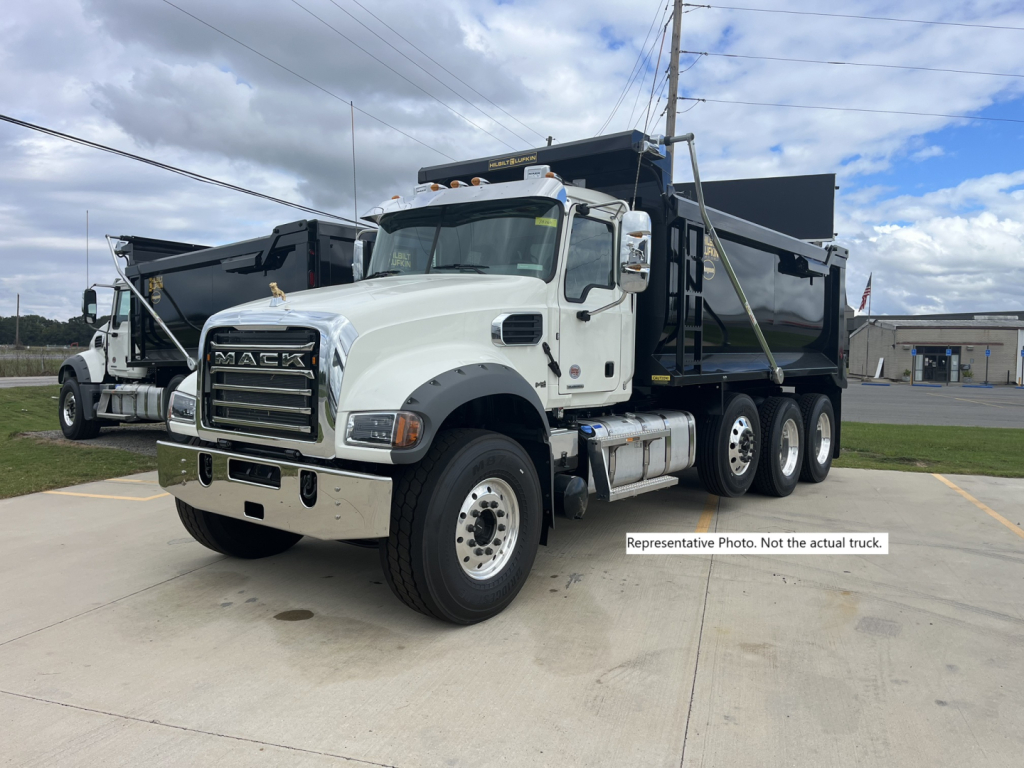
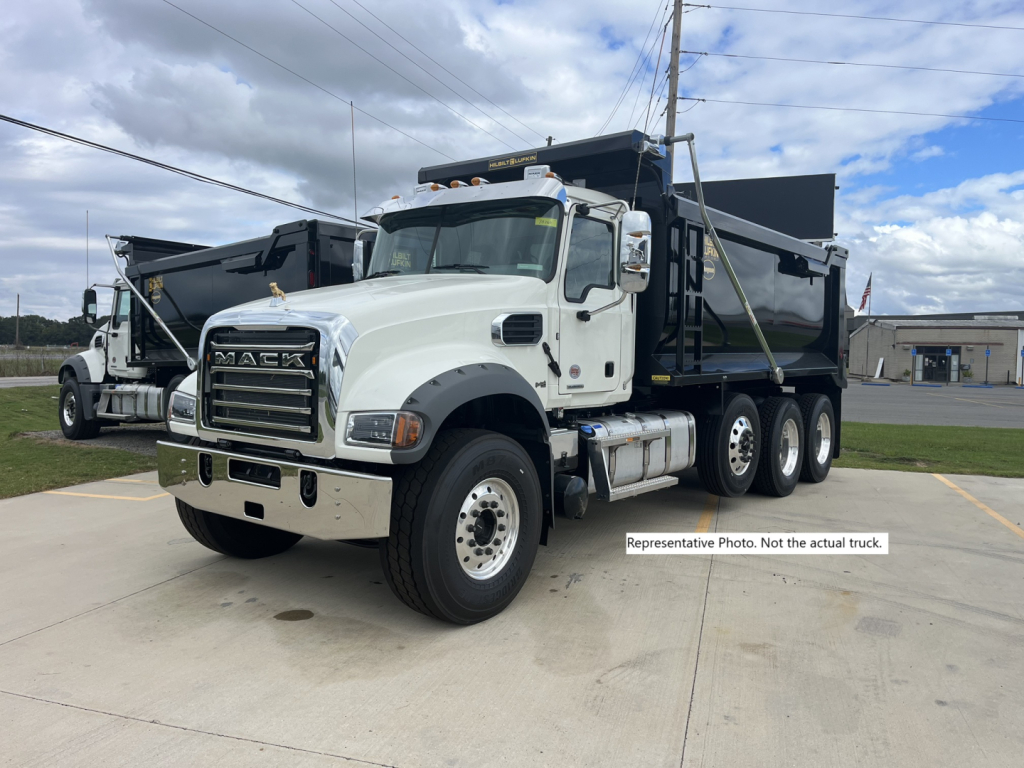
Vocational demand is strong around petrochemical plants, ports and oilfield-support yards. Dump trucks, day cabs with wet kits, vacuum and winch trucks, and box trucks for regional delivery all have a place. For off-pavement cane fields, logging tracts or pipeline right-of-way, prioritize robust frames, crossmembers, heavy front axles, full-locking differentials and suspensions like Hendrickson walking beam or heavy-duty air ride. PTO provisions, high-capacity cooling, hydraulic tanks and front frame extensions are common work specs. Medium duty straight trucks for New Orleans and Baton Rouge delivery often benefit from low-profile frames, 2,500 to 3,000 series Allison automatics, 24 to 26 foot van bodies with e-track and liftgates, and roll-up doors for tight docks.
Know the operating envelope. Louisiana follows federal 80,000 lb interstate limits under the bridge formula, with permits available for heavier moves. Standard 53 foot trailers are widely used, but kingpin-to-rear-axle rules and local route restrictions can affect maneuvering in historic districts or industrial plants, so verify KPRA and wheelbase against routes and dock geometry. For port drayage, short wheelbase day cabs improve turning and queue navigation. Regional haulers may value aerodynamic sleepers with APUs for idle reduction in summer heat, while vocational buyers often trade aero for ground clearance, frame strength and bumper protection.
Condition matters in a Gulf climate. Check for corrosion on frames, suspension hangers, fifth wheel plates, battery boxes and aluminum-magnesium wheel interfaces, especially on units that worked near salt air. Inspect connectors and harnesses for moisture intrusion, verify HVAC performance under load, and scan for flood indicators like silt in cavities, tide lines behind trim or mismatched module corrosion. Review title brands and maintenance records, confirm brake and hub condition after any high-water exposure, and pressure test cooling systems. Spec stainless hardware, sealed wiring, composite or aluminum components and automatic tire inflation to reduce long-term upkeep in heat and humidity.
Frequently Asked Questions
What truck specs work best for highway hauling in Louisiana?
For flat interstate routes, a fuel-efficient axle ratio in the 2.47 to 3.08 range paired with a direct or overdrive transmission is common. Engines like the Cummins X15, Detroit DD15 or PACCAR MX-13 offer ample torque for 80,000 lb GCW. Consider aerodynamic sleepers, APUs for summer idle control, and larger radiators plus high-capacity air conditioning. Automated manuals help in mixed traffic, while traditional 13 or 18 speeds suit heavier or specialized loads.
What should I look for to avoid flood or salt-related damage on trucks from the Gulf Coast?
Inspect for tide lines behind interior trim, silt in frame rails or crossmembers, corrosion on connectors and grounds, and inconsistent oxidation patterns on fasteners. Check wheel-end grease for milkiness, test all lighting and CAN communication, and review title history for flood or salvage brands. A thorough chassis wash history, sealed harnesses, stainless fasteners and recent hub and brake service are positives in coastal environments.
Are there emissions or inspection requirements for diesel trucks in Louisiana?
Louisiana requires commercial vehicle safety inspections, but there is no statewide diesel emissions testing program like some regions. Carriers must still meet federal EPA standards, and equipment traveling into CARB states must comply with those rules. Local ordinances, parish rules and port facility requirements can add specifics, so confirm with Louisiana State Police Motor Carrier Safety and your operating jurisdictions.
What weight and size limits should I plan around in Louisiana?
Plan for 80,000 lb maximum on interstates under the federal bridge formula, typical 20,000 lb single and 34,000 lb tandem axle limits, and common use of 53 foot semitrailers. Overweight and overdimensional permits are available for eligible loads. Kingpin-to-rear-axle and route-specific restrictions can affect access to certain plants or urban areas, so verify KPRA, wheelbase and swing clearance against your routes and docks.
How should I spec a vocational truck for cane fields, logging or oilfield support in Louisiana?
Favor heavy frames with additional crossmembers, full-locking diffs, durable suspensions like Hendrickson walking beam or heavy-duty air ride, high-capacity cooling and PTO-ready transmissions. Add front frame extensions, protective bumpers, underbody protection and robust air intake and filtration. For frequent soft-ground work, consider wider tires, central tire inflation where allowed, and gearing that balances low-speed tractive effort with reasonable highway cruise rpm.