
Commercial Trucks For Sale Near Los Angeles, California

Have commercial truck to sell? List it here to reach thousands of buyers.
Commercial Trucks Near Los Angeles, California
For tractor buyers, day cabs and conventional daycab configurations are a staple for local and regional hauling. In this market, a 6x4 tandem axle setup is common, along with manual 10-speed and automated transmissions, engine brakes, and horsepower ratings that often land in the mid-400 range for heavier work. Buyers comparing road tractors should pay attention to engine family, transmission make, rear axle ratio, wheelbase, fuel capacity, and tire setup, including super singles versus duals. In and around Los Angeles, turning radius, emissions compliance, and service history matter just as much as horsepower, especially for trucks that see stop-and-go traffic, port drayage, and short-cycle runs.
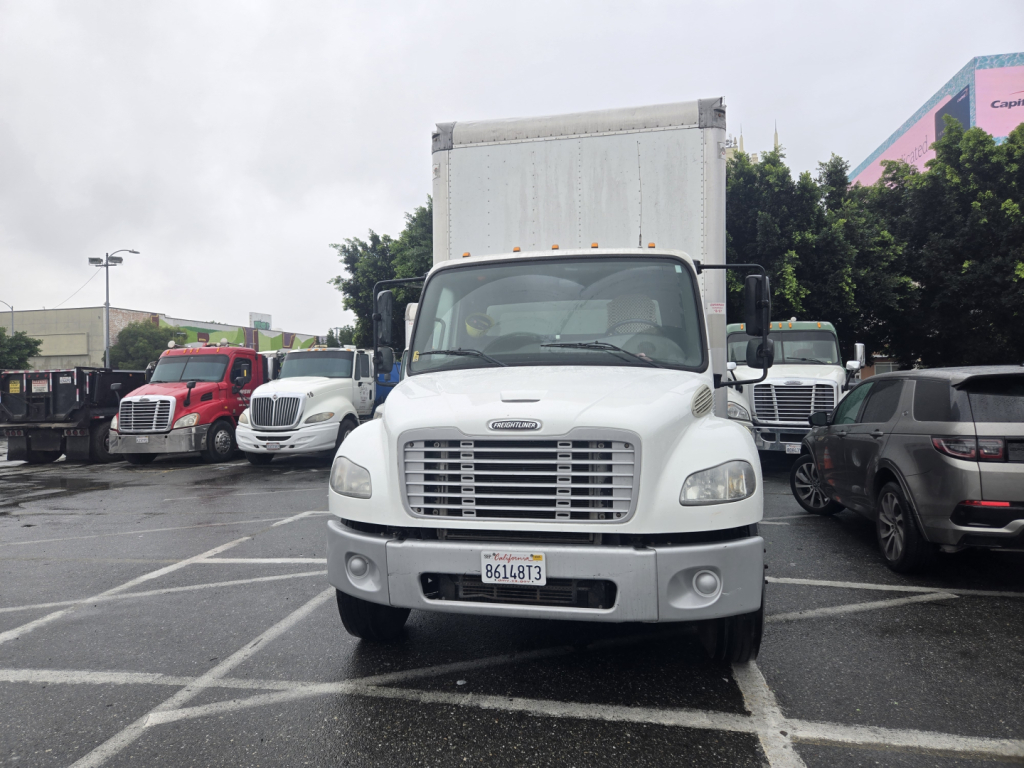
Medium-duty trucks also play a major role in this category. Box trucks, often built in the 26-foot range, are common for final-mile, retail, moving, and route delivery work. Key specs include inside box dimensions, door opening height, liftgate capacity, GVWR, and whether the chassis is diesel or gas. A cab and chassis truck gives a buyer more flexibility, since it can be upfitted with a flatbed, dump body, service body, stake bed, reefer box, or hot shot-style configuration depending on axle rating and frame dimensions. Crew cab layouts are especially useful when the job requires additional passengers, tools, or jobsite use beyond standard freight movement.
Condition should be evaluated by duty cycle, not just model year. Rebuilt engines, maintenance records, transmission type, brake condition, suspension wear, and aftertreatment status can all change the value of a used truck significantly. In California, buyers should confirm current emissions requirements, registration fit for intended use, and any body or chassis modifications that could affect compliance or payload. The strongest truck choice is the one with specs that match the route, load, and operating environment, not simply the highest advertised power or the lowest purchase price.
Frequently Asked Questions about Commercial Trucks Near Los Angeles, California
What types of trucks are commonly found in this category?
This category can include highway tractors, day cabs, box trucks, and cab and chassis units. A day cab is designed for local or regional tractor work without a sleeper. A box truck is built for enclosed cargo delivery and often includes a roll-up rear door and liftgate. A cab and chassis truck is sold as a platform for upfitting, which makes it suitable for flatbeds, service bodies, dump bodies, refrigerated boxes, and other vocational uses.
What matters most when buying a used day cab truck?
The most important factors are application fit, drivetrain spec, and maintenance history. Buyers should verify engine make and model, horsepower, transmission type, axle configuration, wheelbase, rear axle ratio, and fuel capacity. Service records, engine rebuild documentation, clutch and transmission condition, brake life, suspension wear, and emissions system status are all critical on a used day cab. For local hauling, maneuverability and reliability often matter more than maximum horsepower.
How do I choose between a box truck and a cab and chassis truck?
Choose a box truck when the freight is dry, enclosed, and already matched to a fixed cargo body. This is common in delivery, moving, route distribution, and final-mile work. Choose a cab and chassis when the truck needs a custom body or when the business may change applications later. A cab and chassis offers more flexibility for specialized upfits, but buyers need to confirm frame length, axle ratings, PTO compatibility if needed, and body installation costs before purchase.
Are automatic transmissions common in trucks for local delivery?
Yes. Automatic and automated manual transmissions are very common in local and urban applications because they reduce driver fatigue and can improve consistency in stop-and-go traffic. They are especially popular in box trucks, medium-duty chassis, and many modern day cabs. A manual 10-speed still has advantages in certain heavy-haul or owner-operator applications, but many fleets prefer automatics for training, drivability, and city-route efficiency.
What should California buyers check before purchasing a used truck?
California buyers should confirm emissions compliance, aftertreatment condition, registration suitability, and any regional operating restrictions tied to the truck’s engine year or configuration. It is also smart to review DOT inspection history, verify VIN and title status, and inspect for frame repairs, fluid leaks, and signs of hard vocational use. In the Los Angeles area, trucks used in port, construction, and dense urban delivery service can accumulate wear differently than comparable highway units, so prior application matters.