
Commercial Trucks For Sale Near Longview, Texas
Have commercial truck to sell? List it here to reach thousands of buyers.
Commercial Trucks Near Longview, Texas
Powertrain spec matters more than badge alone. Heavy-duty trucks in this market are commonly equipped with diesel platforms such as Cummins ISX, Caterpillar C15, Detroit Diesel Series 60, DD13, or DD15, paired with Eaton-Fuller manual transmissions or automated manuals in 10, 13, and 18-speed configurations. Horsepower and rear-end ratio should match the work. A 13-speed with mid-3 rear gears can be a practical balance for general freight, while an 18-speed and higher horsepower rating make more sense for heavy haul, logging, or steep-grade service. Buyers should also compare wheelbase, front axle rating, suspension type, engine brake performance, and fifth wheel setup because those details directly affect trailer compatibility, bridge law flexibility, and ride quality.
Condition and service history usually separate a strong used truck from an expensive project. On pre-emissions and early-emissions units, many buyers focus on overhaul records, clutch age, turbo replacement, injector history, and whether the truck has documented engine work. On newer trucks, emissions system maintenance becomes just as important, including DPF, DEF, EGR, and sensor history. Inside the cab, gauge package completeness, seat condition, bunk layout, steering play, and switch function tell you a lot about how the truck was used. Frame condition, crossmember integrity, air leaks, tire wear patterns, and evidence of suspension or alignment issues should be checked before you get too focused on chrome or paint.
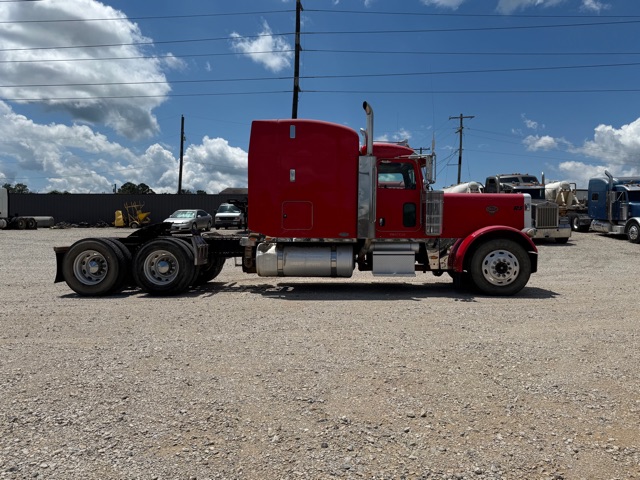
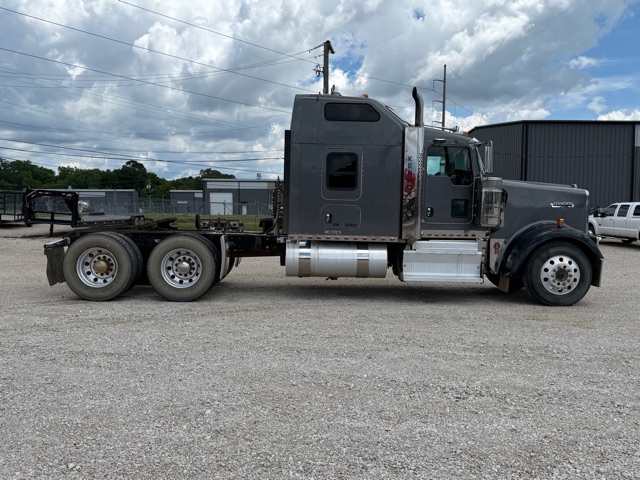
The Longview market can include everything from owner-operator spec highway tractors to work-ready fleet trucks, so it pays to match the truck to the lane, trailer, and maintenance strategy. A long-hood conventional with a large sleeper, high horsepower engine, and manual transmission appeals to buyers who value serviceability, road presence, and long-distance comfort. A more modern aerodynamic tractor can offer better fuel economy and lower operating cost in high-mileage fleet service. The best truck is the one with a spec sheet and maintenance profile that fit your freight, your shop capabilities, and the cost per mile you need to hold.
Frequently Asked Questions about Commercial Trucks Near Longview, Texas
What type of truck is best for long-haul work in Longview, TX?
A conventional sleeper truck is usually the best fit for long-haul work because it provides bunk space, additional storage, and a chassis built for highway miles and heavier trailer combinations. Buyers should look at sleeper size, engine horsepower, transmission type, rear-end ratio, and wheelbase to make sure the truck matches the freight and terrain. In East Texas, strong air conditioning, a healthy cooling system, and dependable suspension components are especially important for driver comfort and uptime.
Which engine and transmission specs matter most when buying a used heavy-duty truck?
The key specs are engine model, horsepower, torque rating, transmission type, rear axle ratio, and mileage or hours since major engine work. A 10-speed or 13-speed can be efficient for general freight, while an 18-speed is more useful for heavy haul or off-road applications. Buyers should also verify service records for inframe rebuilds, clutch replacement, turbo work, injector service, and emissions system maintenance because those items have a major impact on near-term operating cost.
Is a sleeper truck better than a day cab?
A sleeper truck is better for routes that require overnight stays, team driving, or extra onboard storage. A day cab is often the better choice for local and regional work because it reduces weight, can improve maneuverability, and may lower purchase and maintenance cost. The right choice depends on route length, driver schedule, trailer type, and how important wheelbase and payload are to the operation.
What should I inspect first on a used truck before purchase?
Start with the powertrain, frame, suspension, tires, brakes, and air system because those systems determine reliability and repair exposure. Check for blow-by, fluid leaks, coolant condition, driveline vibration, steering looseness, uneven tire wear, and air leaks. After that, review the maintenance records, verify axle and transmission specs, inspect the fifth wheel and frame rails for wear or damage, and confirm that all cab controls, gauges, and sleeper components operate properly.
Are older pre-emissions trucks still a good buy?
Older pre-emissions trucks can still be a good buy when the engine platform is well supported, the truck has documented maintenance, and the intended operation justifies the age and fuel economy tradeoff. Many buyers like them for mechanical simplicity and easier serviceability, especially with proven engines and manual transmissions. The downside is that age-related wear, outdated wiring, cab deterioration, and the cost of deferred maintenance can quickly offset the appeal if the truck was not cared for properly.