
Chevrolet Logging Trucks For Sale
Have chevrolet logging truck to sell? List it here to reach thousands of buyers.
Chevrolet Logging Trucks
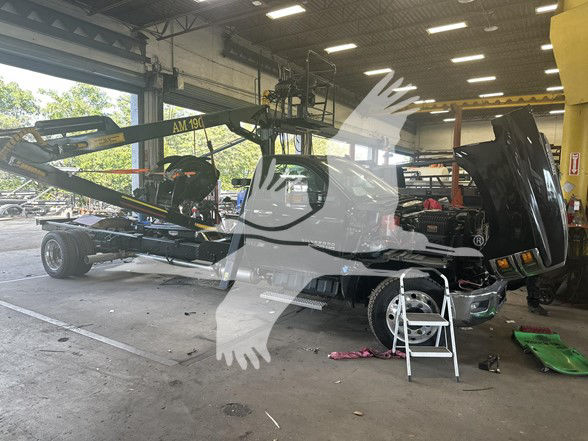
A Chevrolet logging truck often makes sense for operators who want a more compact, maneuverable platform than a heavy Class 8 log truck. That can be an advantage on tight access roads, residential tree removals, utility right-of-way clearing, and smaller timber operations where turning radius and overall length are critical. Many units in this class are configured as grapple trucks rather than highway log haulers, with hydraulic outriggers, a knuckleboom or stiff-boom loader, and a bunk or body designed for brush, logs, or mixed wood waste. Buyers should pay close attention to PTO and hydraulic system specs, rear suspension capacity, front axle loading with the crane folded, and stability under load. A truck that handles a loader well on pavement may be marginal once it is working on uneven ground.
For used Chevrolet logging trucks, body builder details are just as important as the base truck. Frame reinforcements, double-frame sections, hoist or crane mounting, pump size, control layout, and any auxiliary hydraulics all affect service life and operating costs. Tire selection, locking rear differential availability, and ride height also matter if the truck will spend time on muddy haul roads or soft landings. If the truck is being used to haul logs rather than simply load and stage them, check axle spacing, legal weight limits, and how the bunk or body is set up for the typical log length in your region. Cab configuration can also influence value, especially when crews, tools, chainsaws, and rigging need to travel with the truck.
The strongest Chevrolet logging truck specs are the ones matched to a specific forestry application. A lighter, more maneuverable truck can outperform a larger chassis if the work involves constant stops, loader cycles, and access into confined sites. A heavier build may be the better fit when hydraulic equipment, dense hardwood loads, or rough-terrain durability are the top priorities. Buyers comparing listings should look beyond model year and mileage to the actual logging package: crane or grapple brand, hydraulic capacity, body construction, suspension setup, and how the truck was used in the field. In this category, the upfit and chassis integration usually determine long-term value more than the cab and hood nameplate alone.
Frequently Asked Questions about Chevrolet Logging Trucks
What is a Chevrolet logging truck typically used for?
A Chevrolet logging truck in the medium-duty class is commonly used for grapple loading, short-log transport, tree service work, storm cleanup, and forestry support duties. Many are equipped as grapple trucks rather than long-haul timber tractors, making them better suited for local hauling, loading at landings, moving cut timber around a jobsite, and handling brush or wood waste. The exact use depends on the body, loader, PTO, and axle configuration.
Is a Chevrolet Silverado 6500HD suitable for logging work?
It can be, especially for lighter to moderate forestry applications where maneuverability and body upfit flexibility are important. A Silverado 6500HD is often used as a platform for grapple trucks, chip bodies, and small logging or tree-service builds. The key is not just the model itself, but whether the frame, suspension, axle ratings, PTO provision, and hydraulic package were properly spec'd for the loader and payload.
What should I check first on a used Chevrolet logging truck?
Start with the upfit and weight-carrying components. Verify axle ratings, suspension capacity, frame reinforcement, PTO setup, hydraulic pump performance, loader or grapple condition, and any evidence of cracking around body or crane mounts. After that, evaluate transmission operation, brake condition, tire wear, and how the truck was actually used. A truck that spent its life on forestry roads and loader cycles will have different wear points than one used mainly for municipal debris or paved-road tree work.
Are Chevrolet logging trucks better for hauling logs or for grapple truck applications?
In most cases, Chevrolet logging trucks in this size range are better known for grapple truck and support applications than for full-scale highway log hauling. Their medium-duty chassis can be a strong fit for local timber movement, loading, and service work where access is tight and legal weights are lower. For heavy, repeated log hauling at maximum payload, buyers often step up to larger Class 8 platforms with tandem drive axles and heavier vocational specs.
What specs matter most when comparing Chevrolet logging trucks for sale?
The most important specs are GVWR, front and rear axle ratings, wheelbase, cab-to-axle dimension, PTO and hydraulic capacity, suspension type, frame build, and the exact body or loader installed. Buyers should also compare crane reach, grapple size, outrigger design, tire setup, and any traction aids for off-road work. In logging applications, these details usually matter more than cosmetic condition or low mileage alone.