
Commercial Trucks For Sale Near Lexington, Kentucky
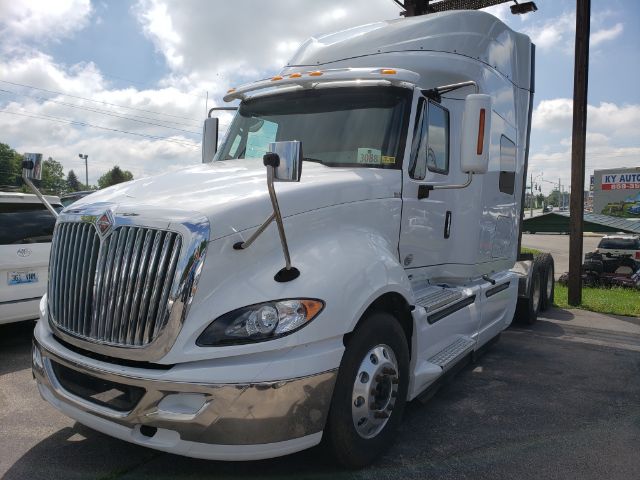
Have commercial truck to sell? List it here to reach thousands of buyers.
Commercial Trucks Near Lexington, Kentucky
Powertrain selection matters as much as the cab style. Common diesel platforms in this category include Cummins, Detroit, Paccar, Volvo, and International engines, typically paired with Eaton Fuller manual, automated manual, or fully automatic transmissions. Horsepower generally falls in the 350 to 500 HP range, with rear axle ratios often chosen around the intended duty cycle. A lower numerical ratio can support fuel economy at highway speed, while a deeper ratio helps with heavier loads, stop-and-go routes, and hill country. Buyers should also compare suspension type, engine brake, wheelbase, and fifth wheel position because those details affect ride, turning radius, bridge law flexibility, and trailer compatibility.
Condition and service history are especially important in used trucks. ECM data, documented maintenance, brake and tire life, emissions system status, and signs of frame or cab corrosion can tell you more than appearance alone. Air ride suspension, aluminum wheels, power accessories, and current inspections add value, but the core buying decision still comes down to driveline health, miles, idle hours, and whether the truck’s specifications match the lanes it will actually run. In Kentucky, many buyers also pay attention to interstate gearing, cold-weather starting, and parts support across regional dealer networks.
A strong truck listing should give enough detail to evaluate real-world suitability, not just the badge on the hood. Look for axle rating, transmission type, engine model, horsepower, sleeper length if equipped, tire size, and any recent work on the clutch, aftertreatment system, injectors, suspension, or brakes. Trucks in this category are also commonly referred to as semi trucks, highway tractors, road tractors, or diesel trucks, depending on the application. The best choice is the one spec'd for your freight, your trailer mix, and the miles you expect it to cover each week.
Frequently Asked Questions about Commercial Trucks Near Lexington, Kentucky
What is the most important factor when comparing used trucks for sale?
The most important factor is how closely the truck’s specifications match the work you need it to do. Engine horsepower, transmission type, axle ratio, wheelbase, and axle configuration affect fuel economy, pulling power, turning radius, and trailer compatibility. A clean appearance helps, but maintenance records, ECM history, emissions system condition, brake life, and tire condition usually tell you more about long-term operating cost.
Should I choose a day cab or a sleeper truck?
A day cab is typically the better fit for local and regional routes where overnight accommodations are not needed. It usually weighs less and can offer better maneuverability and lower acquisition cost. A sleeper truck is better suited for longer runs because it provides bunk space, storage, and improved driver comfort. Buyers running irregular lanes or multi-day trips usually benefit from the flexibility of a sleeper.
What horsepower range is common for Class 8 trucks?
Many Class 8 highway trucks are spec'd between 350 and 500 horsepower, with the right choice depending on terrain, load weight, and cruising speed. Fleets hauling general dry van freight on flat to rolling interstate routes often stay in the mid-range for fuel economy. Heavier applications, mountain routes, or specialized freight may justify higher horsepower and torque ratings.
Why does rear axle ratio matter on a semi truck?
Rear axle ratio directly affects launch performance, gradeability, cruise RPM, and fuel consumption. Lower numerical ratios are generally used to reduce engine speed on the highway and improve fuel economy. Higher numerical ratios help the truck get moving under heavier loads and can perform better in stop-and-go or steep-grade service. The correct ratio depends on transmission gearing, tire size, typical gross weight, and route profile.
What should I inspect before buying a used truck in Kentucky?
Focus on drivetrain condition, emissions equipment, tires, brakes, suspension, and signs of rust or previous damage. Ask for service records, ECM printouts, and any recent repairs involving the DPF, EGR, turbocharger, clutch, or injectors. In Kentucky, interstate use and seasonal weather make cooling system performance, starting reliability, and road-speed gearing especially relevant. A pre-purchase inspection by a qualified diesel technician is one of the best ways to reduce risk.