
Trucks For Sale Near Lewis, New York
Have truck to sell? List it here to reach thousands of buyers.
Trucks Near Lewis, New York
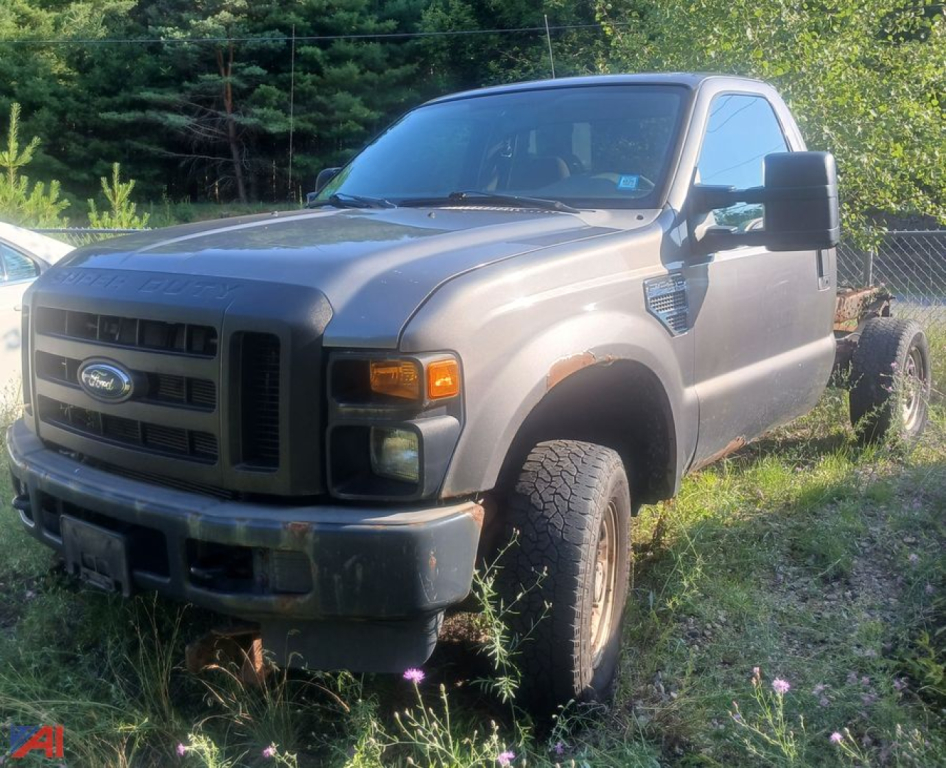
Cab and chassis trucks are especially important in this category because they give buyers flexibility to mount the right body for the job. Common upfits include flatbeds, utility bodies, dumps, box bodies, stake beds, and landscape bodies. Key fitment details include cab-to-axle length, wheelbase, frame rail width, PTO provisions, rear axle capacity, and fuel tank placement. Buyers comparing used trucks should also pay attention to rust on frames and cab mounts, especially in northern climates like upstate New York where road salt can shorten body and undercarriage life. Service history matters just as much as mileage on work trucks, particularly for transmissions, front-end components, brake systems, and electrical equipment tied to body controls or lift systems.
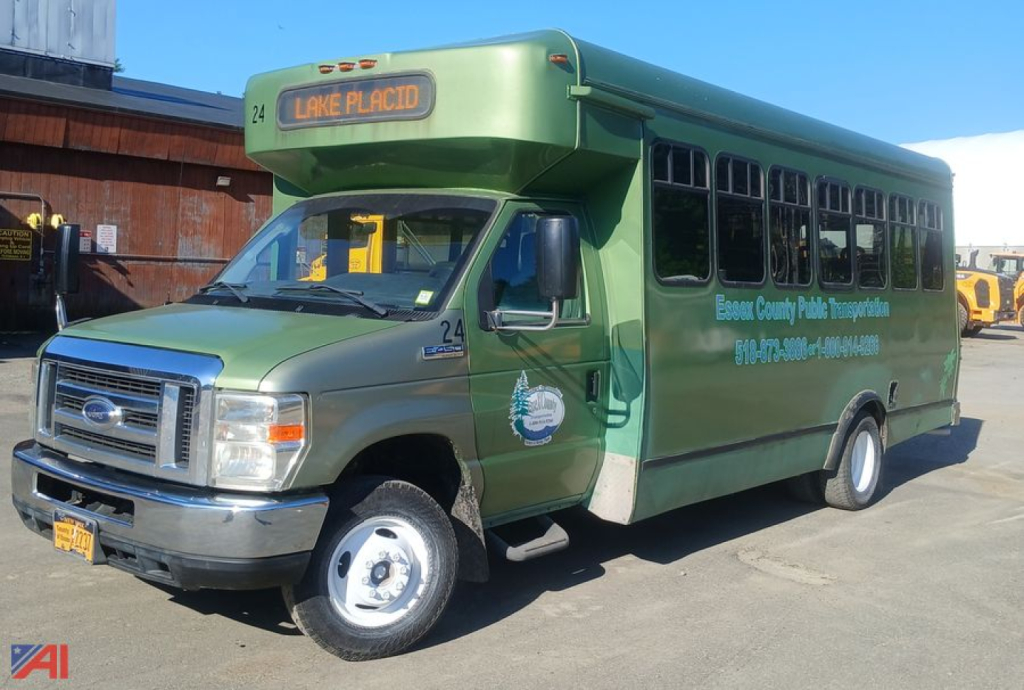
Powertrain choice depends on route length, idle time, and load profile. Gas engines are common in light and medium applications where acquisition cost and simpler emissions systems matter more than maximum torque. Diesel trucks typically make more sense for heavier payloads, longer duty cycles, and applications that spend more time under load. Transmission type, rear gearing, and suspension rating can change how a truck performs far more than the badge on the hood. If the truck will carry people, such as a shuttle, paratransit, or wheelchair bus, buyers should inspect lift operation, restraint systems, door hardware, HVAC capacity, and interior condition along with standard drivetrain items.
A good used truck listing should help you confirm how the unit was configured from the factory and how it is equipped today. Look closely at body type, bed length, cab style, GVWR, engine, driveline, and any vocational equipment already installed. In a market like Lewis, trucks often serve mixed-duty roles, so practical factors like four-wheel drive availability, cold-weather starting, tire condition, and ease of body repair can carry as much weight as headline horsepower figures. The right truck is the one whose frame, axle ratings, and intended application all line up without forcing the next owner into costly rework.
Frequently Asked Questions about Trucks Near Lewis, New York
What should I check first when comparing used trucks for sale?
Start with the truck’s intended job and confirm that the GVWR, axle ratings, wheelbase, and body configuration match that use. After that, review engine and transmission pairing, service records, frame condition, rust exposure, brake wear, tire condition, and any signs of overloading or poor repairs. On vocational trucks, the chassis specification matters more than appearance because an incorrect wheelbase or insufficient rear axle rating can limit the truck’s real usefulness.
Is a cab and chassis truck better than buying a truck with a body already installed?
A cab and chassis truck is often the better choice when the body type is still undecided or when a buyer needs a precise upfit such as a utility body, flatbed, dump, or box. It gives more flexibility on cab-to-axle length, body length, and equipment layout. A truck with an existing body can offer better upfront value if the body is in strong condition and already fits the application, but buyers should verify mounting condition, PTO compatibility, and whether the body dimensions match the chassis ratings.
How important is rust inspection on trucks in New York?
Rust inspection is critical in New York because road salt can affect frames, brake lines, spring hangers, crossmembers, cab corners, body mounts, and electrical connections. Surface corrosion is common on working trucks, but scaling, perforation, or rust around structural points can create major repair costs and safety concerns. A solid underbody and frame can be more valuable than lower mileage on a truck that spent its life in harsh winter service.
Should I choose a gas or diesel truck for commercial use?
Gas trucks usually fit lighter-duty work, lower annual mileage, and applications where lower purchase cost and simpler maintenance are priorities. Diesel trucks are generally better for higher payloads, towing, longer route cycles, and repeated use under load because they deliver stronger low-end torque and often hold up well in heavier service. The right choice depends on duty cycle, not just fuel type, and buyers should consider emissions system maintenance, idle hours, and expected operating weight before deciding.
What matters most when buying a used bus or passenger truck?
Passenger units need the same drivetrain and chassis checks as any commercial truck, but accessibility and passenger equipment are equally important. Buyers should inspect wheelchair lifts or ramps, tie-down systems, seating condition, emergency exits, door operation, HVAC performance, and the condition of any electrical controls. If the truck will be used for shuttle or paratransit service, reliability of the accessibility equipment can be just as important as engine and transmission condition.