
Commercial Trucks For Sale Near Leander, Texas
Have commercial truck to sell? List it here to reach thousands of buyers.
Commercial Trucks Near Leander, Texas
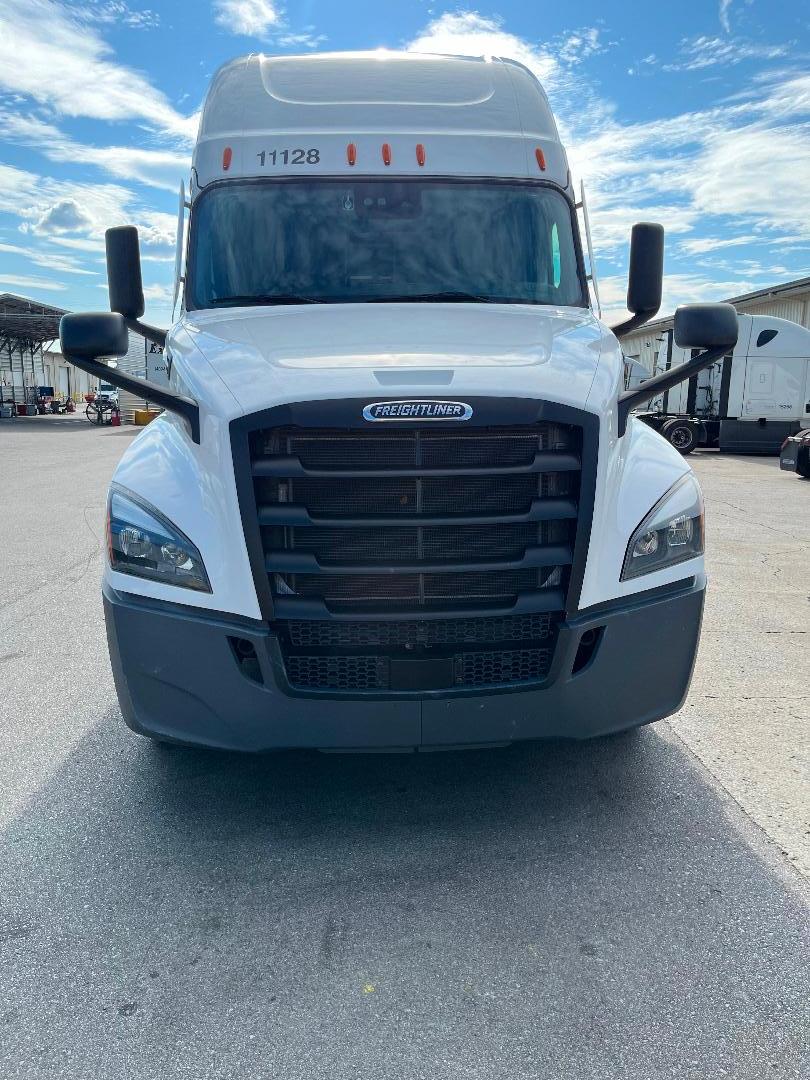
A sleeper truck is built for longer runs and overnight work, with configurations that may include single bunk or double bunk sleepers, storage, and sometimes a refrigerator or inverter setup. A day cab is usually the better fit for local and regional hauling where wheelbase, turning radius, and lower tare weight matter more than living space. Buyers should compare axle ratings, wheelbase, suspension type, rear-end ratio, and fifth wheel setup closely, especially if the truck will handle varied trailer lengths or heavy freight. In Texas, cooling system condition, A/C performance, and tire health deserve extra attention because heat and long highway miles expose weak points quickly.
Late-model trucks often include aerodynamic packages, collision mitigation systems, adaptive cruise features, and telematics support that matter to both fuel economy and fleet management. Engine brake spec, fuel tank capacity, fairing condition, and emissions system history can have a real effect on operating cost. For used trucks, service records, current inspections, title status, brake life, and remaining warranty coverage can be just as important as mileage. Many buyers also look closely at interior wear, power accessories, and dash fault history because those details often indicate how the truck was maintained.
Leander sits in a strong freight corridor near the Austin market, so truck selection often reflects a mix of regional haul, dedicated contract freight, construction support, and long-distance interstate work. That makes versatility important. A well-matched truck should balance engine output, cab configuration, and running gear with the lanes it will actually cover. Buyers comparing trucks for sale in Leander, TX should focus on total operating fit, not just purchase price, because drivetrain spec, maintenance history, and cab type will determine how the truck performs over time.
Frequently Asked Questions about Commercial Trucks Near Leander, Texas
What is the difference between a sleeper truck and a day cab?
A sleeper truck has a rear compartment designed for overnight operation, often with one or two bunks and additional storage. It is the standard choice for long-haul and multi-day routes. A day cab has no sleeper and is typically lighter, shorter, and easier to maneuver, which makes it a better fit for local delivery, port work, regional freight, and jobs with frequent docking or tighter urban access.
What horsepower range is common for used highway trucks?
Most used highway trucks on the market fall somewhere around 400 to 500 horsepower, which covers a wide range of freight applications. Lighter regional lanes may do well with the lower end of that range, while heavier loads, hill country routes, or higher average speeds often benefit from more power and the correct torque and rear-end ratio pairing. Horsepower alone is not enough, so buyers should evaluate the full drivetrain spec.
What should I check first on a used truck in Texas?
Start with the engine and emissions history, then move to cooling system performance, air conditioning, tire condition, brakes, and suspension. Texas heat and long highway miles can expose problems in radiators, charge air coolers, A/C components, and tires faster than in milder climates. It is also smart to confirm inspection status, title status, fault codes, fluid leaks, and service documentation before focusing on cosmetic condition.
Are automatic transmissions common in commercial trucks now?
Yes. Automated and automatic-style transmissions are now very common in commercial trucks, especially in fleet and late-model highway applications. They can improve driver acceptance, reduce shifting errors, and help with training and consistency across a mixed driver pool. Some buyers still prefer manual transmissions for specific vocational uses or maintenance familiarity, but the market has shifted heavily toward automated setups.
How important is warranty coverage on a used truck?
Warranty coverage can materially reduce early ownership risk, especially on late-model trucks with expensive emissions and electronic systems. Even a limited remaining warranty may help offset repair costs on major components such as the engine, aftertreatment system, or drivetrain. Buyers should still review the exact terms, mileage limits, covered components, and claim process, because warranty value depends on what is actually included.