
Commercial Trucks For Sale Near Latham, New York
Have commercial truck to sell? List it here to reach thousands of buyers.
Commercial Trucks Near Latham, New York
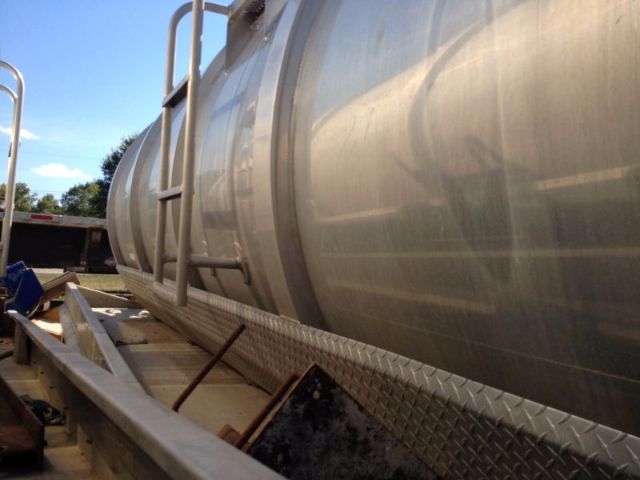
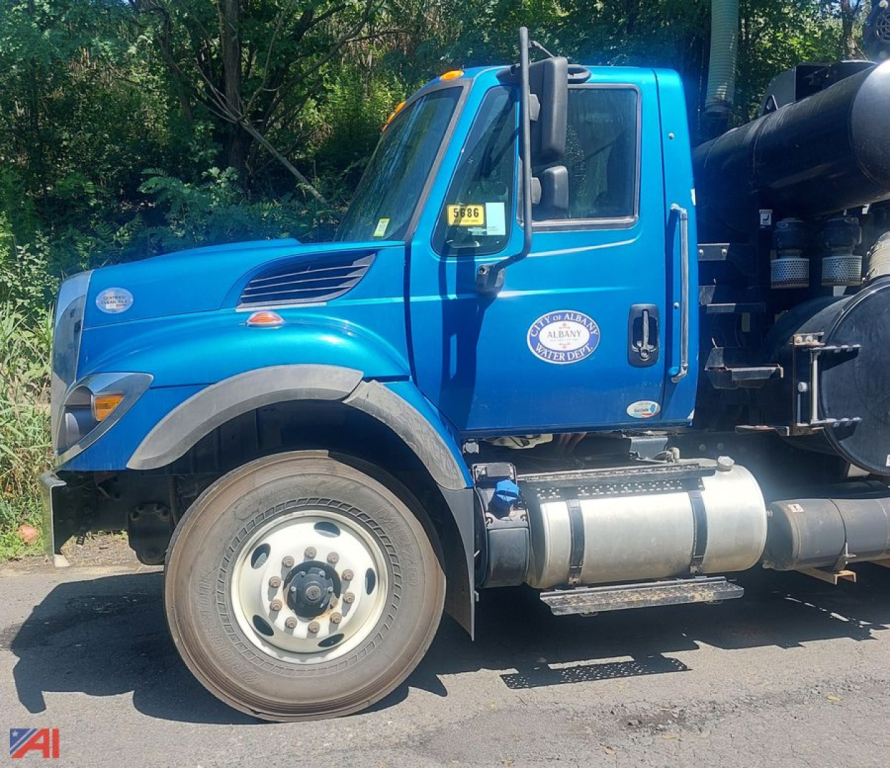
For general commercial truck shopping, start with class and application. Light-duty and medium-duty trucks are common for municipal work, local delivery, landscape supply, construction support, utility service, and facility maintenance. Dump trucks are built around payload and cycle time, so body material, hoist capacity, side height, and tailgate design matter as much as the cab and powertrain. Box trucks, also known as straight trucks or dry van trucks, are typically chosen for cargo cube, door opening dimensions, liftgate capacity, and dock-height loading. Vacuum and tank-configured trucks need closer review of tank material, compartment design, pump system, plumbing layout, and whether the unit is coded or non-code for the intended service.
In upstate New York, corrosion exposure and cold-weather reliability should be part of any truck evaluation. Frame condition, cab corners, brake and fuel lines, spring hangers, crossmembers, electrical integrity, and PTO or hydraulic components deserve close inspection on used vocational trucks. Buyers should also confirm wheelbase, body length, rear axle rating, suspension type, brake configuration, tire size, and CDL implications. Diesel medium-duty trucks remain popular for higher payload and longer service life, but gas-powered units can make sense for lower annual miles and simpler maintenance. If the truck has a specialized body, check replacement parts support for the body manufacturer, not just the chassis OEM.
A good truck purchase balances chassis durability with body usefulness. The market often includes Ford, International, Freightliner, Chevrolet, GMC, Isuzu, Ram, and other common commercial brands, but the badge alone does not tell you enough. Focus on service history, idle hours where applicable, body condition, hydraulic performance, cargo area dimensions, and how easily the truck can be registered, inspected, and put to work. For many buyers, the best value is not the cheapest truck. It is the truck with the correct specs, clean structural condition, and an application-ready body that reduces downtime after purchase.
Frequently Asked Questions about Commercial Trucks Near Latham, New York
What should I look for first when buying a used truck?
Start with the truck’s intended job and required GVWR class. Payload, body type, wheelbase, cab style, axle rating, and PTO needs should all match the work before you compare price, mileage, or model year. On a used truck, structural condition is critical, especially frame rails, suspension mounts, crossmembers, hydraulic systems, and corrosion-prone areas. A truck that fits the application correctly usually performs better and costs less to operate than a cheaper unit with the wrong specs.
What is the difference between a box truck and a straight truck?
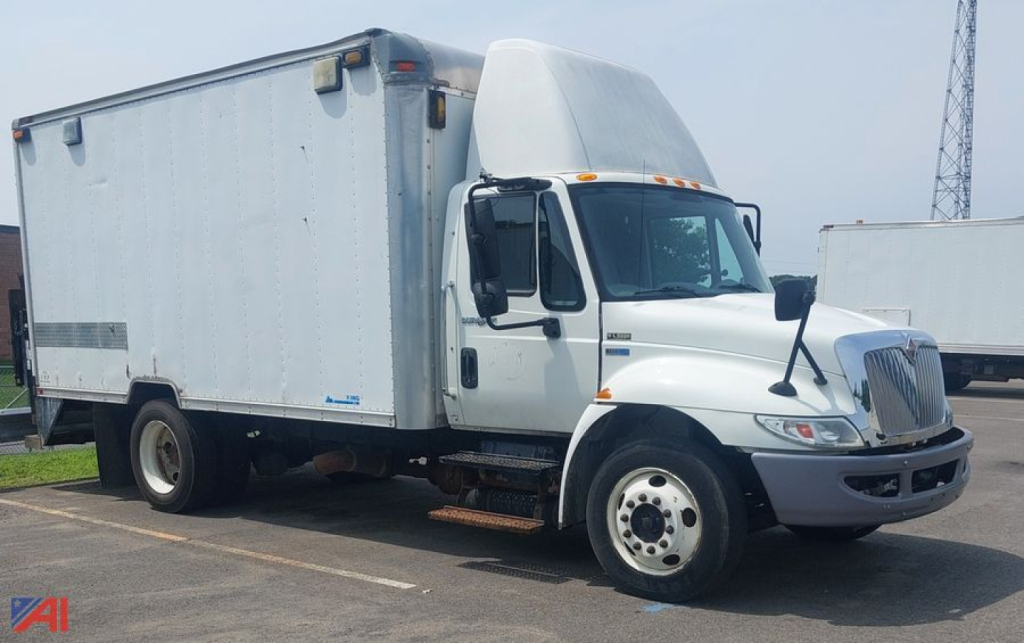
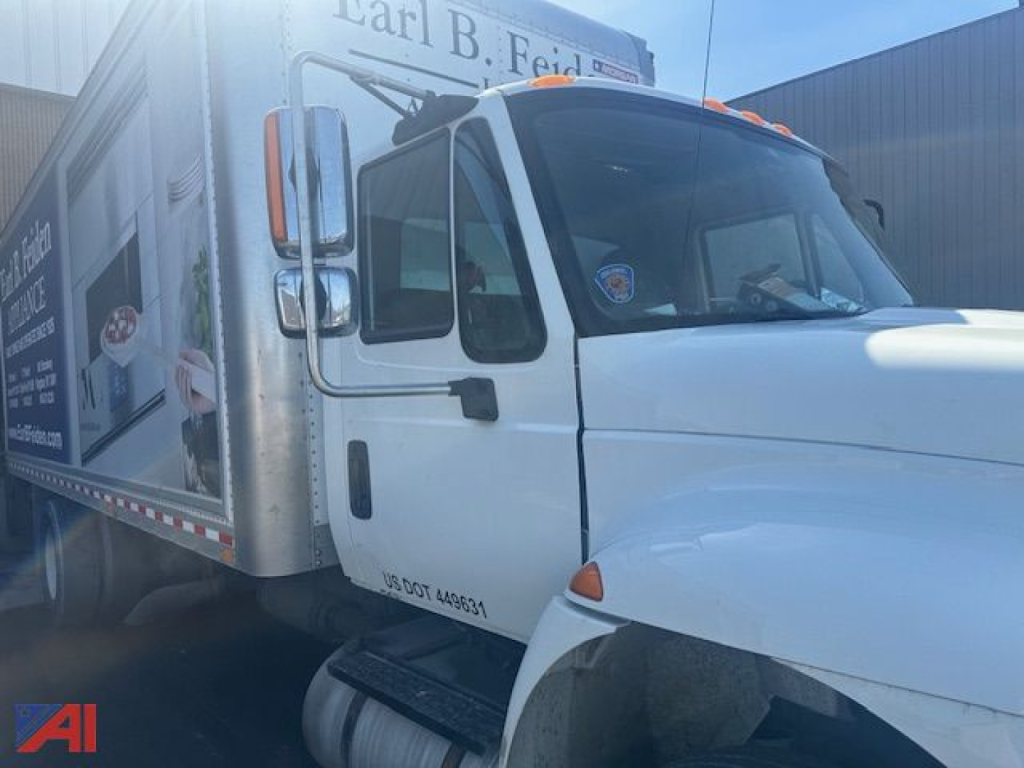
In most commercial listings, a box truck is a type of straight truck. A straight truck means the cab and cargo body are mounted on one chassis, unlike a tractor-trailer combination. The box body can be configured for dry freight, moving, parcel delivery, tools, or service work. Buyers should compare box length, interior height, roll-up or swing doors, liftgate rating, and dock access when evaluating these trucks.
How do I evaluate a used dump truck?
A dump truck should be evaluated as both a chassis and a hydraulic machine. Check hoist operation, PTO engagement, body floor wear, tailgate function, hinge condition, and signs of overloading or hard municipal use. Then inspect the frame, rear suspension, brakes, driveline, and rust around body mounts and understructure. Body size, side height, and material also matter because they affect payload, durability, and the type of material the truck can haul.
Are specialty trucks like vacuum tank trucks harder to buy used?
They require more technical review than a general cargo truck because the body system is the value driver. Tank capacity, material, baffling, hatch and seal condition, pump or vacuum system performance, plumbing layout, and discharge configuration all need to match the intended work. Buyers should also verify if the tank is coded or non-code and confirm any inspection, licensing, or operational requirements tied to the application. Parts availability for the tank and pumping system can be just as important as engine and transmission support.
Does location in New York change what truck buyers should inspect?
Yes. Trucks used in New York often see winter road salt, freeze-thaw cycles, and stop-and-go municipal or local-route service. That means rust, seized hardware, line corrosion, electrical issues, and underbody wear are common inspection points. Buyers should look closely at the frame, cab mounts, brake lines, fuel tank straps, wiring, dump or liftgate hydraulics, and any exposed steel on the body or subframe before making a decision.