
Commercial Trucks For Sale Near Las Cruces, New Mexico
Have commercial truck to sell? List it here to reach thousands of buyers.
Commercial Trucks Near Las Cruces, New Mexico
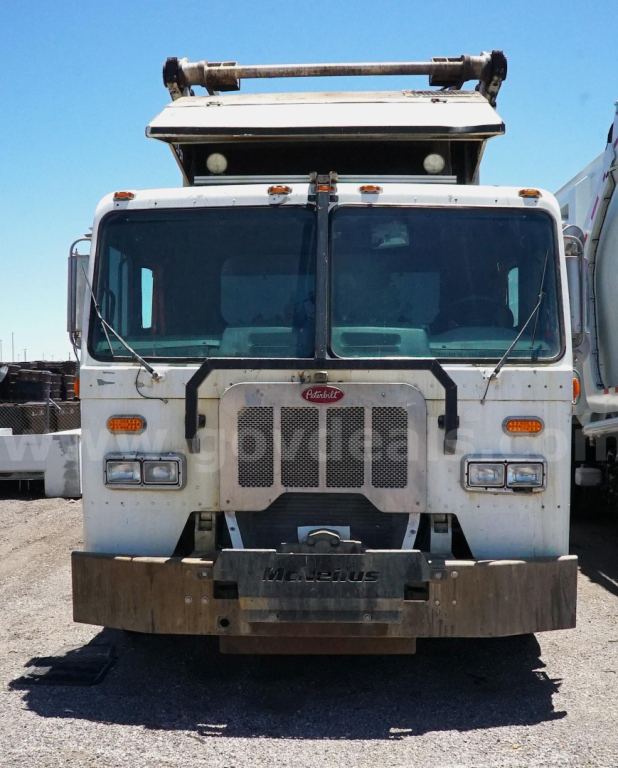
In this category, buyers may see everything from over-the-road tractors to vocational units like refuse trucks, also known as garbage trucks, rollback wreckers, flatbeds, utility trucks, and cab and chassis platforms. Common diesel engines come from Cummins, Paccar, Detroit, Volvo, and International, paired with automatic, automated manual, or manual transmissions depending on the application. For local stop-and-go work, an automatic transmission, tight turning radius, and set-forward or cabover-style visibility can be more important than highway gearing. For regional hauling, axle ratio, fuel capacity, sleeper configuration, and emissions system history often drive the buying decision.
Condition and spec discipline are especially important on used trucks. Buyers should confirm engine hours versus odometer miles, front and rear axle ratings, brake type, tire size, frame condition, and whether the truck has active fault codes or deferred repairs. On vocational trucks, hydraulic systems, PTO operation, hoists, packer bodies, lift axles, and body manufacturer support can have as much impact on operating cost as the chassis itself. In a dry, hot market like Las Cruces, cooling system condition, A/C performance, and signs of heat-related wear deserve a close look, especially on trucks that spent years in municipal or heavy stop-start service.
A good truck purchase is usually the result of matching the chassis to the work cycle. Short-haul urban routes favor maneuverability, visibility, and durability. Construction and municipal work often call for heavier suspensions, double-frame sections, and vocational transmissions. Freight applications may put more value on fuel economy, wheelbase, fifth-wheel position, and compliance with bridge laws and trailer settings. Buyers comparing trucks for sale should focus on usable spec, maintenance history, and total cost to put the unit to work, not just purchase price.
Frequently Asked Questions about Commercial Trucks Near Las Cruces, New Mexico
What should I look at first when comparing trucks for sale?
Start with the truck’s intended application and rated capacity. GVWR, axle ratings, wheelbase, engine horsepower, transmission type, and body compatibility determine whether the truck can legally and efficiently do the job. After that, review service records, engine hours, odometer miles, tire condition, brake wear, and any current mechanical faults. A lower price can become expensive quickly if the chassis spec does not match the work.
How important are engine hours on a used truck?
Engine hours are very important, especially on vocational and municipal trucks that spend long periods idling or operating at low road speed. A truck with moderate mileage can still have substantial engine wear if the hours are high. Comparing miles to hours helps show the true duty cycle. High idle time can affect the engine, emissions system, and PTO-driven equipment, so buyers should evaluate hours along with maintenance history.
Are automatic transmissions better for vocational trucks?
In many vocational applications, automatic transmissions are a strong fit because they reduce driver fatigue, improve consistency in stop-and-go service, and work well with urban routes and frequent starts. Refuse, utility, delivery, and municipal trucks often benefit from automatics because drivability matters more than highway fuel strategy. Manual and automated manual transmissions still have value in certain heavy-haul or regional applications, but the best choice depends on route profile, driver pool, and maintenance support.
What truck features matter most in hot, dry areas like Las Cruces, New Mexico?
Cooling system health is critical in a hot climate. Buyers should inspect the radiator, charge air cooler, fan clutch, coolant condition, hoses, belts, and signs of overheating. Air conditioning performance also matters for driver retention and daily usability. Dry climates can be easier on rust, but heat can accelerate wear in hoses, seals, plastics, wiring, and tires, so a careful inspection should include both driveline and cab systems.
What is the difference between a highway truck and a vocational truck?
A highway truck is generally spec’d for freight movement, fuel economy, and road speed, often with sleeper or day cab configurations designed around tractor-trailer use. A vocational truck is built for specialized work such as refuse, construction, towing, utility service, or municipal operations. Vocational trucks often have heavier frames, PTO provisions, different suspension packages, lower gearing, and body-specific layouts. The better choice depends on whether the truck’s primary job is hauling freight or operating equipment and bodies on a work cycle.