
Commercial Trucks For Sale Near Lansing, Kansas
Have commercial truck to sell? List it here to reach thousands of buyers.
Commercial Trucks Near Lansing, Kansas
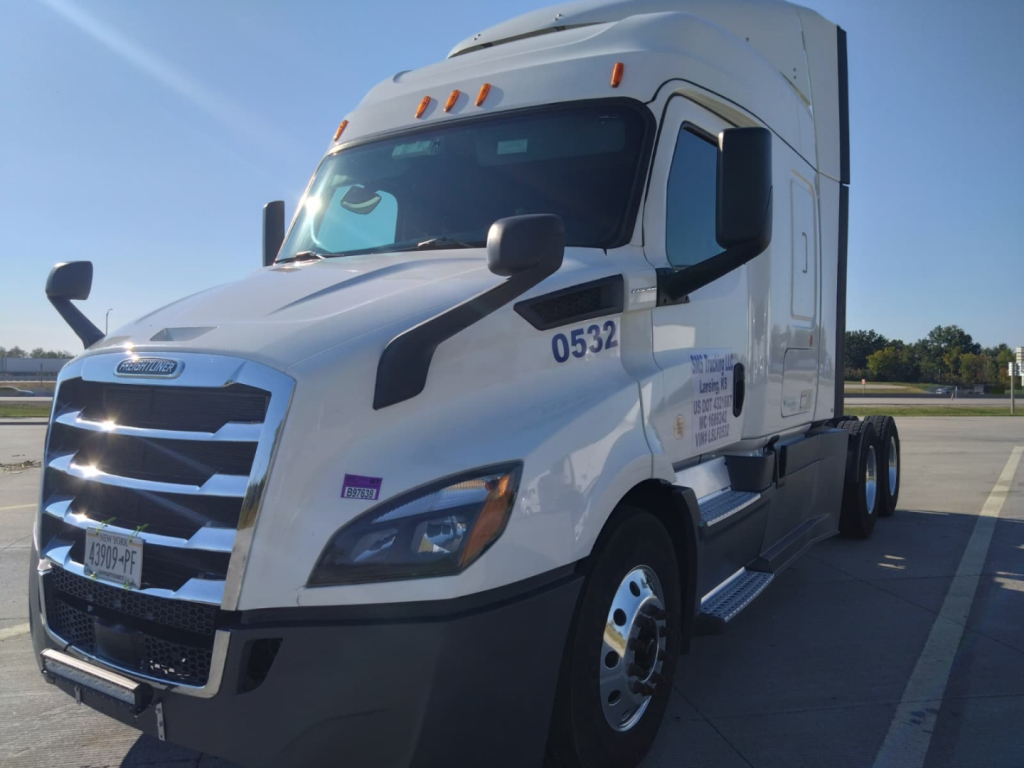
For sleeper trucks, the big decisions usually come down to engine family, transmission, rear axle ratio, and sleeper configuration. Late-model highway tractors often use 12-speed automated manuals such as Volvo I-Shift or Detroit DT-series paired with fuel-efficient 6x4 drivetrains, aerodynamic fairings, and wheelbases in the 220-inch range. Engines in the 405 to 455 horsepower class are typical for van, reefer, and general freight, while rear axle ratios in the mid-2s favor fuel economy on long interstate runs. Buyers should look closely at engine brake spec, front and rear suspension type, disc versus drum brakes, tire size, fuel tank capacity, and fifth wheel equipment such as an air slide. These details affect fuel burn, driver acceptance, maintenance cost, and how easily the truck can be assigned across different trailers and lane lengths.
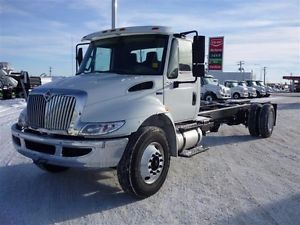
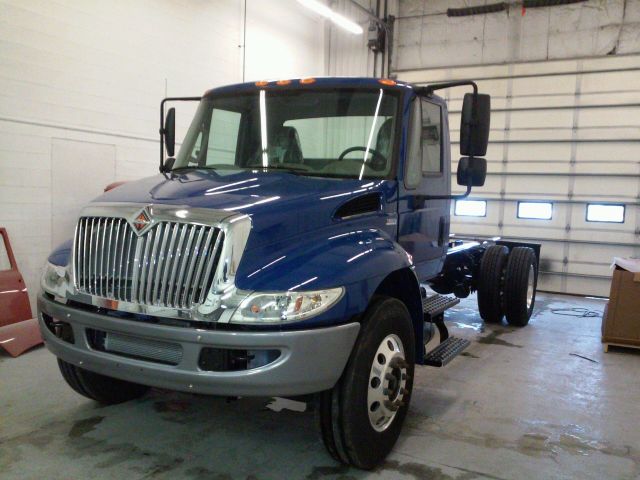
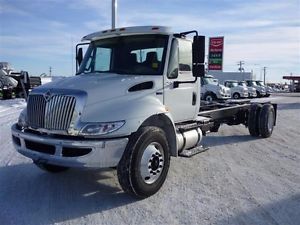
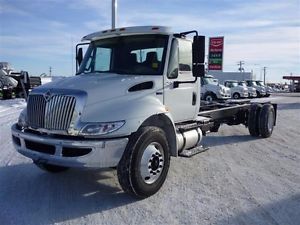
Cab and chassis trucks are a different buying exercise. A medium-duty platform like an International 4300 is often selected around GVWR, cab-to-axle dimension, transmission choice, and PTO or body-builder compatibility. In many cases, 33,000-pound GVWR, automatic Allison transmissions, air brakes, and wheelbases set up for straightforward body installation are the main selling points. Buyers should confirm the exact CA measurement, frame condition, suspension, locking differential availability, and whether the truck is best suited for local delivery, municipal service, landscape, towing, or contractor work. If the truck will receive a van body, dump, hooklift, or utility package, axle placement and remaining frame length matter as much as engine horsepower.
Kansas buyers also tend to value trucks that can handle a mix of interstate miles, regional freight lanes, and seasonal weather swings without getting overly specialized. That makes service records, emissions system history, mileage, idle hours, and prior application especially important on used diesel trucks. On sleeper tractors, focus on D13, DD13, and similar engine platforms with documented maintenance and realistic gearing for the freight you pull. On cab and chassis units, pay attention to brake configuration, upfit readiness, and whether the truck's dimensions fit your body supplier's requirements. A truck that is correctly spec'd for payload, route speed, and maintenance support will usually outperform a cheaper unit that needs immediate rework.
Frequently Asked Questions about Commercial Trucks Near Lansing, Kansas
What types of trucks are commonly listed for sale in Lansing, Kansas?
Listings in Lansing, Kansas often include both highway tractors and medium-duty work trucks. Common examples are conventional sleeper tractors for long-haul or regional freight and cab and chassis trucks that can be fitted with box, dump, flatbed, service, or utility bodies. This mix gives buyers options for over-the-road, local delivery, construction, municipal, and contractor applications.
What should I look at first when comparing sleeper trucks?
Start with the powertrain and rear axle spec because those determine how the truck will perform in your freight lanes. Engine model, horsepower, transmission type, axle ratio, and wheelbase have a direct effect on fuel economy, cruise speed, gradeability, and trailer compatibility. After that, review suspension, brake type, fuel capacity, fifth wheel setup, and sleeper size to make sure the truck fits both the load and the driver.
Why is cab-to-axle length important on a cab and chassis truck?
Cab-to-axle length is one of the most important dimensions on a cab and chassis because it controls what body can be installed and how the finished truck will balance its load. An incorrect CA can create problems with axle loading, body fitment, driveline layout, and overall wheelbase. Buyers planning an upfit should verify body requirements before choosing a chassis, especially for box trucks, dumps, utility bodies, and rollback applications.
Are automated transmissions common in trucks in this market?
Yes. Automated manual transmissions are common in late-model sleeper tractors, and fully automatic Allison transmissions are common in medium-duty cab and chassis trucks. Automated manuals are popular in highway use because they help with fuel efficiency and driver consistency, while Allison automatics remain a strong choice for stop-and-go vocational work where smooth launch and PTO integration may matter more.
What maintenance items matter most on used diesel trucks?
Service history is critical. Buyers should review preventive maintenance records, mileage and engine hours, brake and tire condition, suspension wear, and any emissions-related repairs involving the DPF, SCR, or EGR systems. On highway tractors, it is also smart to check transmission calibration history, axle ratio suitability, and fifth wheel wear. On cab and chassis trucks, frame condition and evidence of prior body mounting can be just as important as engine condition.