
International Landscape Trucks For Sale
Shop International landscape trucks built for mulch, debris, nursery, and light material hauling with dump bodies, high sides, and PTO hydraulics.
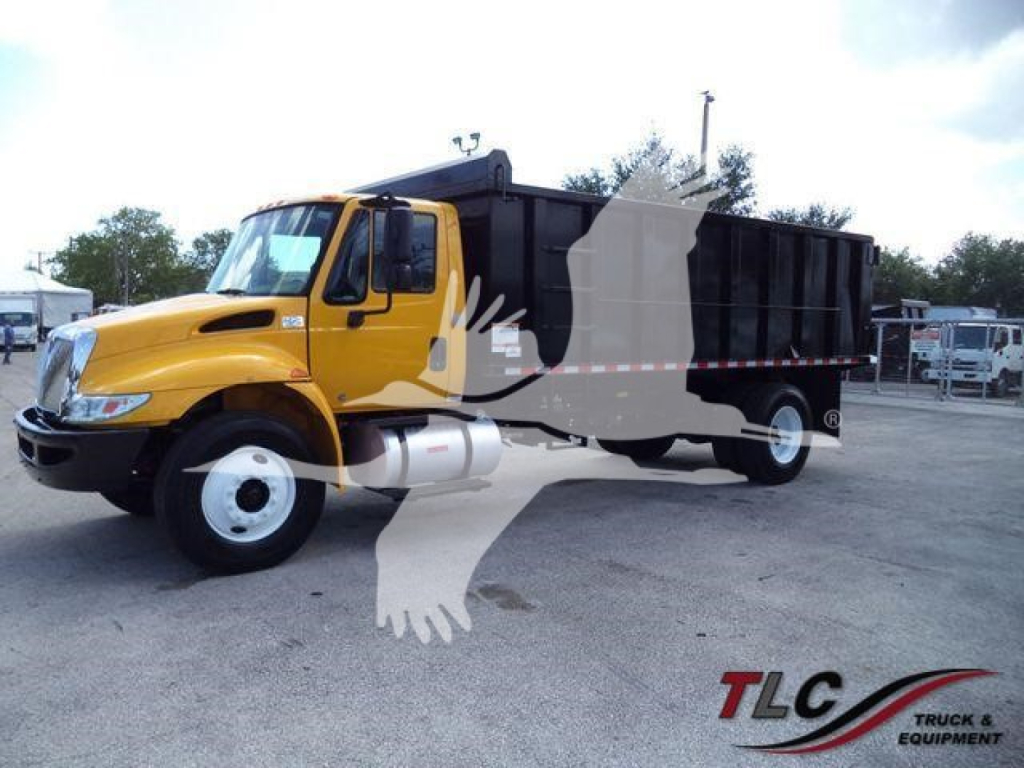
Selling a international landscape truck? List your international landscape truck for sale and reach thousands of commercial buyers.
International Landscape Trucks
A typical International landscape truck in this class will be a Class 6 or Class 7 single-axle truck with diesel power, automatic transmission, and either hydraulic or air brakes depending on GVWR and spec. Common ratings fall around 25,999 to 26,000 GVWR for CDL-sensitive operations, though heavier specs are also used. Buyers should pay close attention to body length, side height, hoist capacity, rear door design, and hitch equipment if the truck will tow a trailer with mowers, skid steers, or compact equipment. High side steel or aluminum dump bodies, manual or electric tarp systems, and underbody tool storage are all relevant details for landscape work where uptime and fast cleanup cycles matter.
International has long been a strong fit for municipal, contractor, and vocational fleets because parts support is broad and the chassis is straightforward to service. On used units, check the condition of the PTO and hydraulic system, hoist pivots, floor crossmembers, subframe, and rear gate latches since these trucks often see repeated short-haul cycles with organic material, wet debris, and frequent dumping. Suspension choice also affects the job. Air ride can improve driver comfort and help on paved routes, while more basic spring setups may better match rough yard and jobsite use. Tire size, turning radius, cab configuration, and visibility are also worth weighing if the truck will spend its day moving through residential neighborhoods, commercial properties, and tight loading areas.
For many buyers, the right International landscape truck is the one that balances legal payload, body volume, and maneuverability. A truck that is oversized for mulch and debris routes can be inefficient, while one with too little body or hoist capacity slows crews down. If the work includes storm cleanup, leaf collection, hardscape material delivery, or towing support equipment, match the rear hitch rating, brake controller setup, and body construction to that duty cycle. A well-spec'd landscape truck, also known in many markets as a landscape dump truck or high-side dump truck, can serve as one of the most productive assets in a grounds maintenance or site service fleet.
Frequently Asked Questions about International Landscape Trucks
What is the difference between a landscape truck and a standard dump truck?
A landscape truck is usually configured for higher cubic capacity and lighter materials such as mulch, brush, leaves, and nursery debris. It often uses a high-side dump body, lighter body construction, a swing rear door, and a tarp system to manage loose material. A standard dump truck is generally built for denser payloads like gravel, asphalt, and demolition debris, where heavier body construction and payload strength matter more than side height and volume.
What GVWR is common for an International landscape truck?
Many International landscape trucks are spec'd around 25,999 or 26,000 GVWR because that range is useful for operations that want strong medium-duty capacity without moving into a heavier truck class than necessary. Some units are built heavier depending on body size, regional laws, and towing needs. The right GVWR depends on the combined weight of the chassis, body, tools, crew, fuel, and the type of material being hauled.
What should I inspect on a used International landscape truck?
Focus on the dump body and hydraulic system as much as the engine and transmission. Check the PTO engagement, hoist operation, hydraulic lines, cylinder seals, body floor, side panels, hinges, gate latches, and tarp hardware. On the chassis side, review brake condition, suspension wear, frame corrosion, tire wear, and signs of overloading. Trucks used in landscaping often make frequent short trips and repeated dump cycles, so wear tends to show up in body hardware and hydraulics first.
Is an automatic transmission a good choice for landscape work?
Yes. Automatic transmissions are common in landscape trucks because they reduce driver fatigue and make stop-and-go route work easier, especially in suburban and urban service areas. They also help when multiple drivers use the same truck or when the truck spends a lot of time backing into properties, maneuvering near crews, or towing small equipment trailers. The tradeoff is making sure the transmission is properly matched to the truck's GVWR and intended load cycle.
Can an International landscape truck tow equipment trailers?
Many can, but towing capacity depends on the hitch rating, chassis spec, brake setup, wheelbase, rear axle rating, and local regulations. A landscape truck used to pull trailers with mowers, compact loaders, or small skid steers should have the correct hitch, trailer brake provisions, and enough reserve capacity for both body payload and trailer tongue weight. Buyers should confirm the truck's actual towing spec rather than assuming every dump-body landscape truck is set up for trailer duty.