
Freightliner Landscape Trucks For Sale
Browse Freightliner landscape trucks built for mulch, debris, and light dump work, with durable bodies, PTO hoists, and commercial diesel power.
No exact matches found for your search
Showing Landscape Trucks instead.
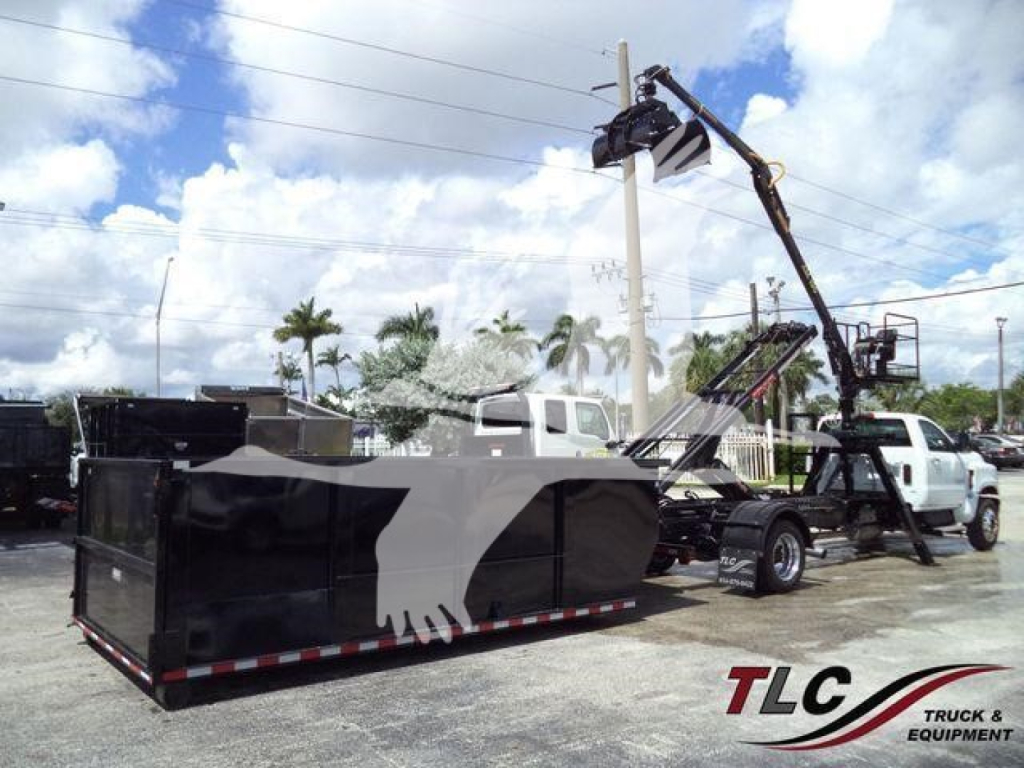
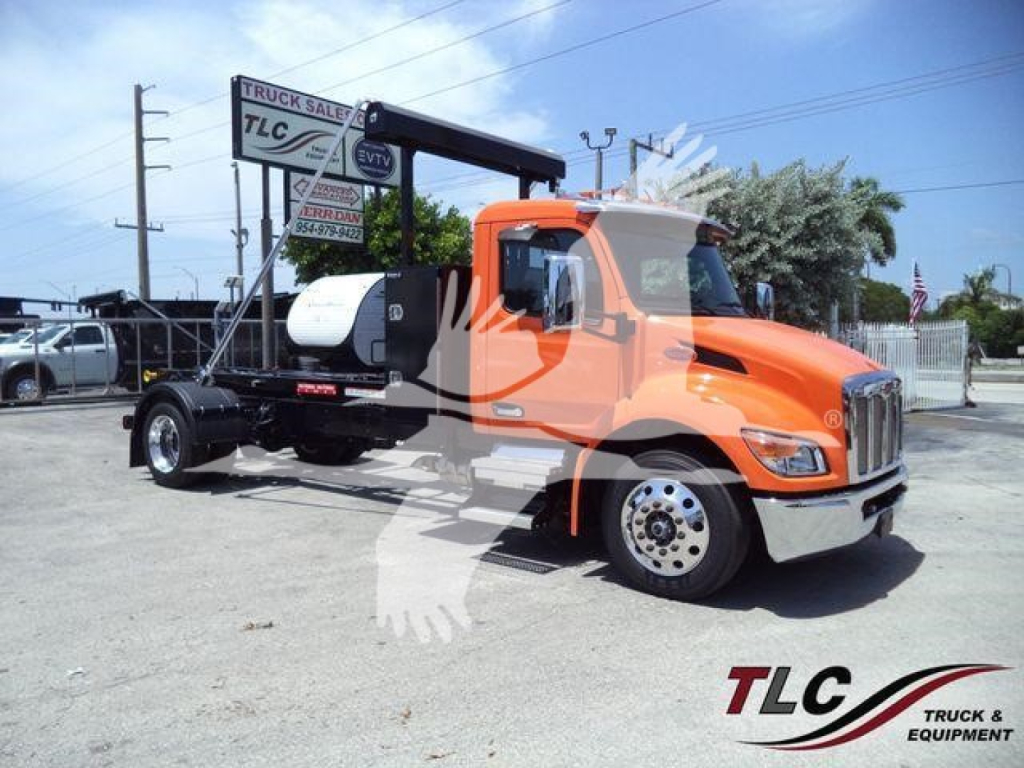
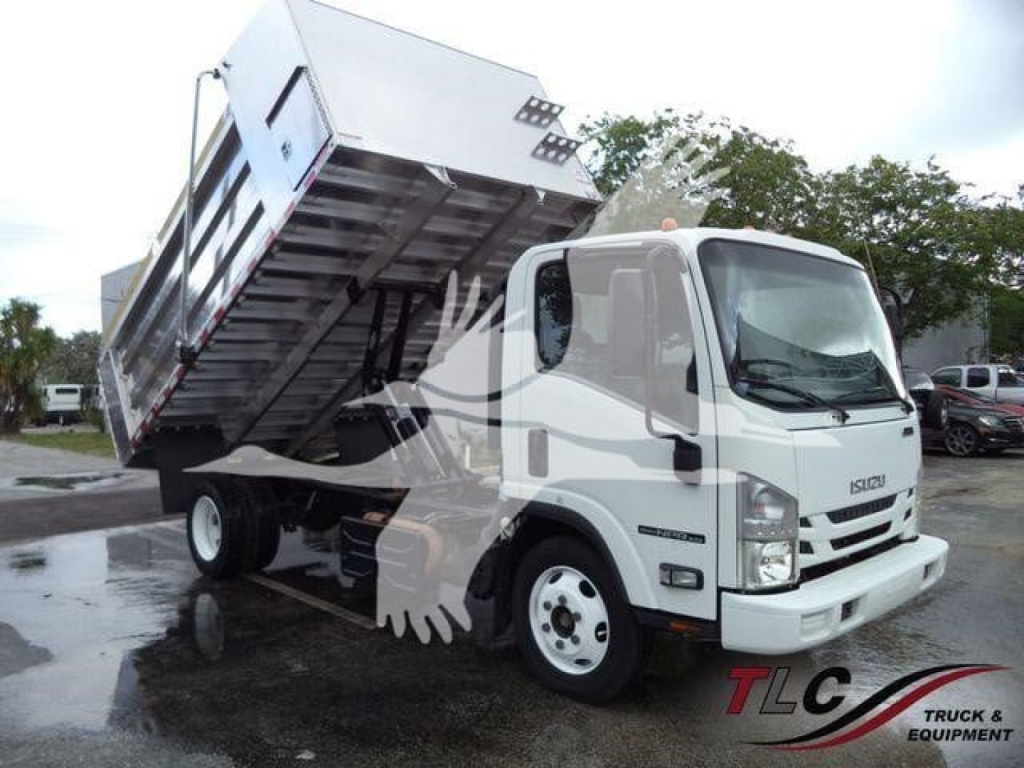
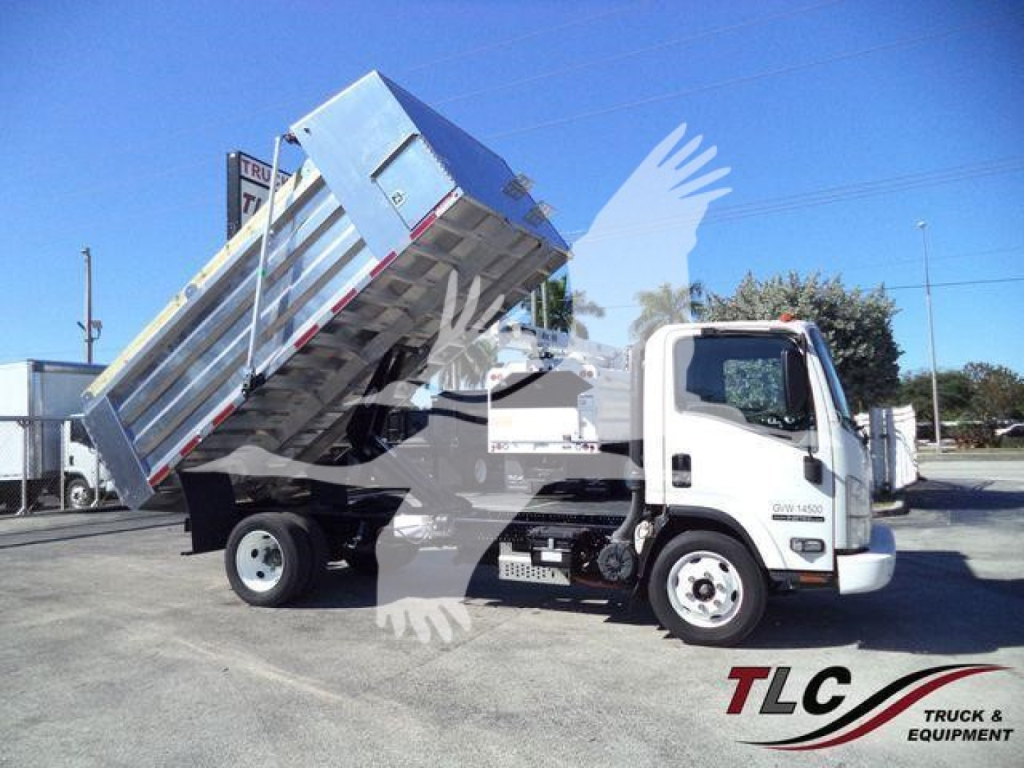
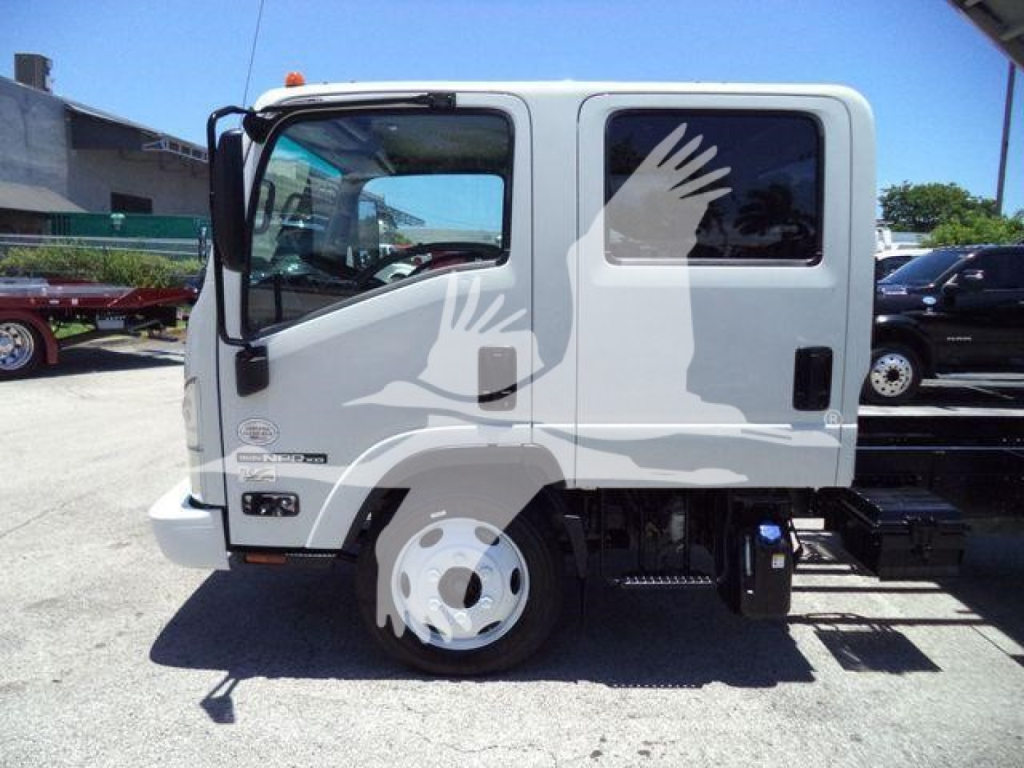
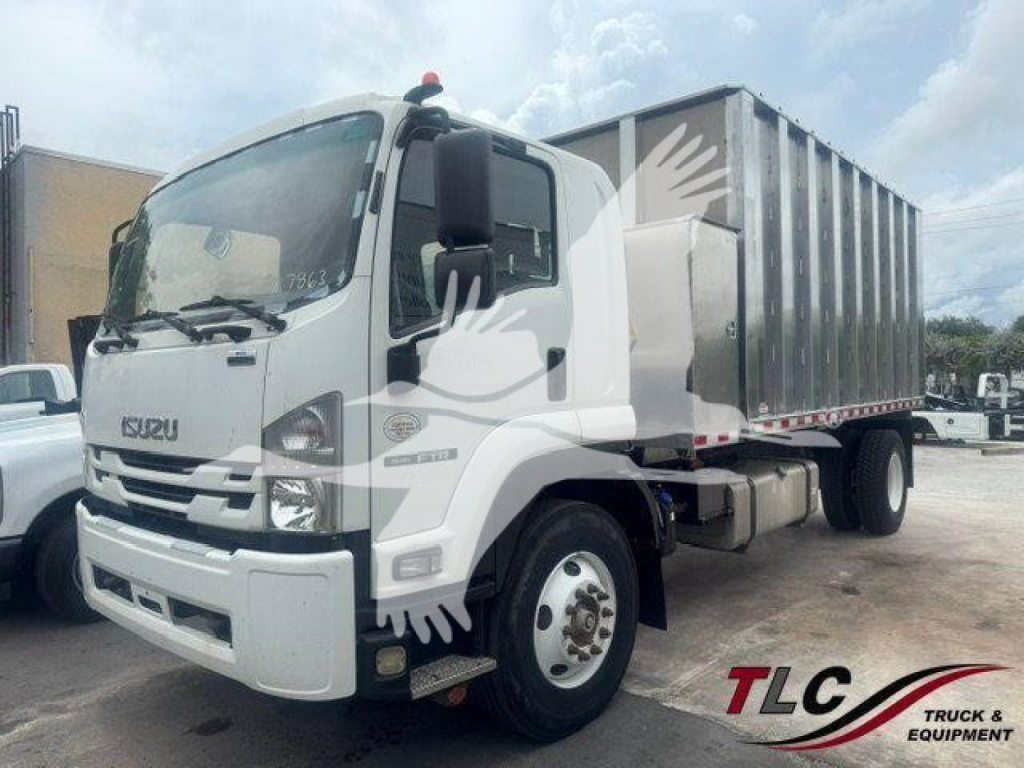
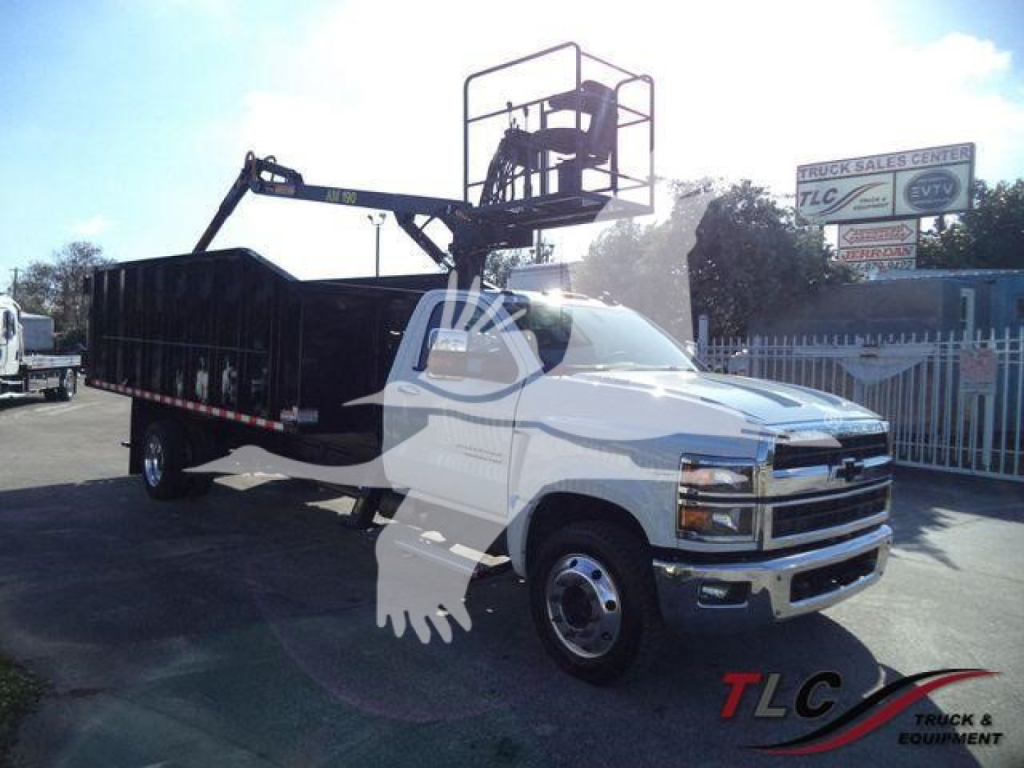
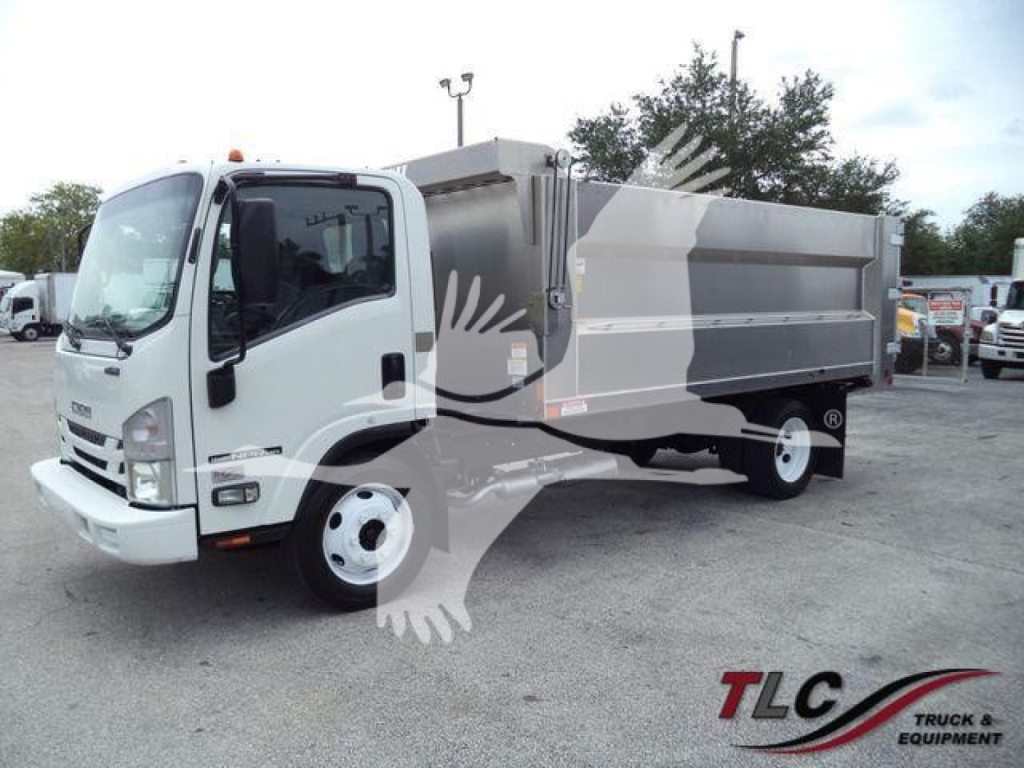
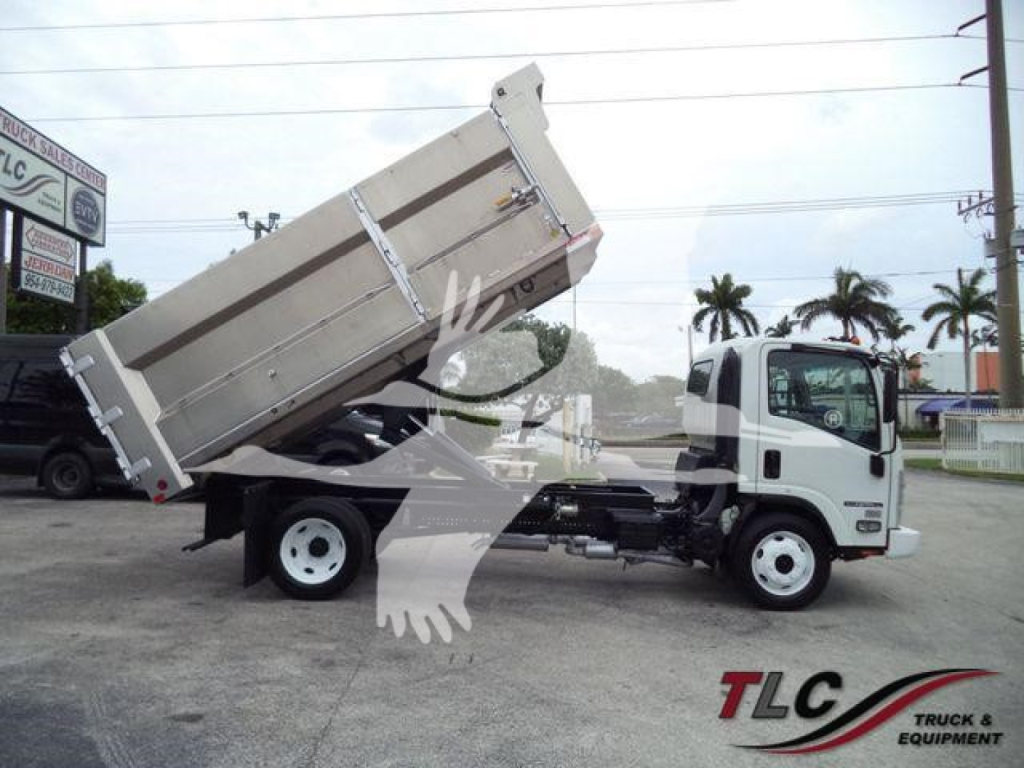
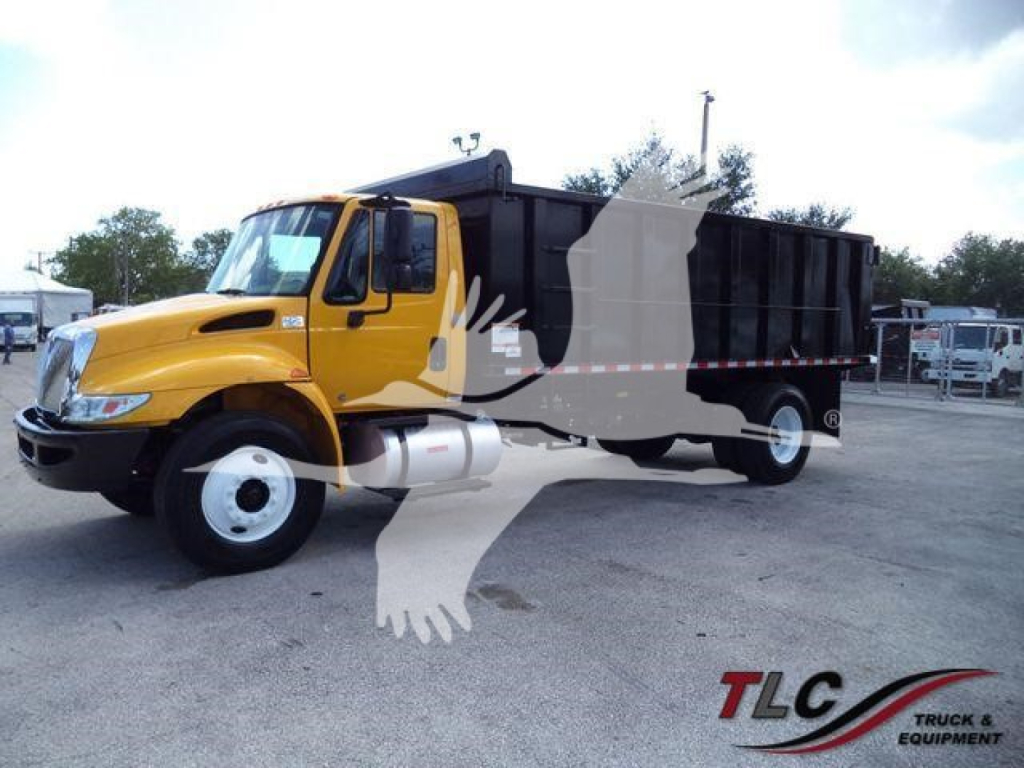
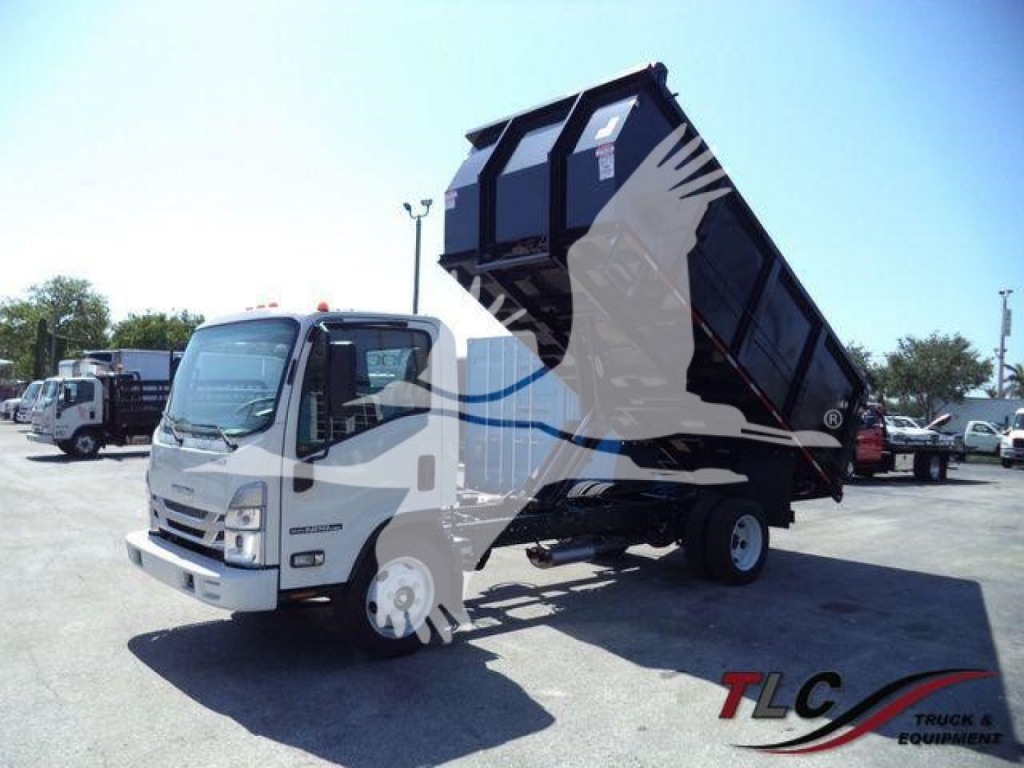
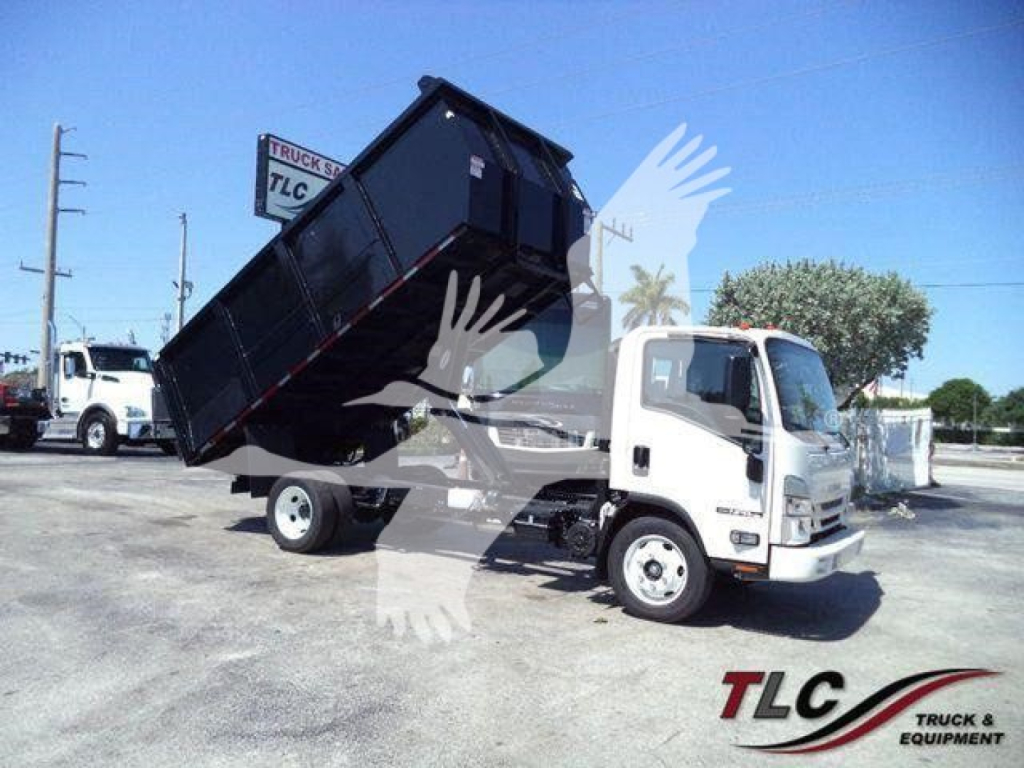
Showing 1 to 12 of 19 results
Have freightliner landscape truck to sell? List it here to reach thousands of buyers.
Freightliner Landscape Trucks
A Freightliner chassis is a strong fit for landscape work because parts support is broad, cab ergonomics are good, and the spec range covers both CDL and non-CDL applications depending on GVWR. Many trucks in this class are single-axle 4x2 units with diesel engines such as the Cummins 6.7L and automatic transmissions, a practical combination for stop-and-go routes with multiple drivers. Buyers should pay close attention to GVWR, wheelbase, rear axle rating, and body length. An 18-foot body with tall sides can move a lot of light material, but payload is still limited by legal weight and body construction. Suspension type also matters. Air ride can improve driver comfort and reduce material bounce, while spring setups may be preferred for simpler maintenance in tougher jobsite conditions.
The body spec often determines how useful the truck will be day to day. Tall side walls increase cubic capacity for leaves, brush, and mulch, while rear door design affects unloading speed and loader access. A single swing gate is common, but some operators prefer split rear doors for tighter spaces or different loading methods. Check hoist capacity, cylinder condition, PTO engagement, floor material, crossmember integrity, and signs of body twist or hard use around the hinge area. A manual or electric tarp is more than a convenience because it helps with load control, compliance, and cleanup. If the truck will tow a chipper, mini skid steer trailer, or other support equipment, review hitch rating, brake controller setup, and electrical connections.
For a buyer comparing Freightliner landscape trucks, the best choice usually comes down to route type and material density. Light, bulky material favors higher side walls and longer bodies. Mixed-use crews that handle debris, hardscape materials, and equipment often need a better balance between cubic volume and legal payload. Cab condition, visibility, turning radius, and service history matter because these trucks spend a lot of time entering residential sites, backing into tight yards, and idling through seasonal work. A well-matched Freightliner landscape truck can cover debris removal, delivery, and dump duties with lower operating cost and easier maneuvering than a heavier vocational dump truck.
Frequently Asked Questions about Freightliner Landscape Trucks
What is a Freightliner landscape truck used for?
A Freightliner landscape truck is typically used to haul mulch, brush, leaves, nursery materials, soil, and light demolition or property-maintenance debris. Most are medium-duty dump-style trucks with tall sides that increase cubic capacity for bulky loads. They are popular with landscapers, tree services, municipalities, and property maintenance contractors that need a truck that can load easily, dump quickly, and maneuver in residential or commercial areas.
What should I look for when buying a used Freightliner landscape truck?
Focus first on chassis rating and body condition. Verify GVWR, axle ratings, wheelbase, engine and transmission specs, and whether the truck fits CDL or non-CDL use in your operation. On the body, inspect the floor, side panels, hoist, PTO, hinges, rear door hardware, tarp system, and any hitch equipment. Rust around the subframe, cracked welds, hoist leaks, and rear door misalignment are important warning signs because landscape trucks often see repetitive loading cycles and exposure to wet material.
Are Freightliner landscape trucks good for non-CDL work?
Many are, but it depends on how the truck is rated. Medium-duty Freightliner models are often available around the 25,950-lb GVWR range, which is a common target for non-CDL operation in many applications. That said, body size and material type still affect usable payload, and towing can change the licensing picture. Buyers should confirm local regulations, actual door-sticker ratings, and intended load weights before assuming a truck will fit a non-CDL route.
What body features matter most on a landscape dump truck?
The most important body features are side height, body length, rear door configuration, hoist design, and tarp setup. Tall sides help with bulky materials like brush and mulch, while a strong floor and hoist matter more if the truck will carry heavier debris or soil. Rear door style affects unloading and equipment access, and a properly working tarp helps with load retention and road compliance. Hitch equipment can also be important for crews towing trailers or chippers.
Why do many Freightliner landscape trucks use diesel engines and automatic transmissions?
Diesel engines provide the low-end torque needed for loaded starts, PTO operation, and frequent stop-and-go driving. In medium-duty Freightliner applications, engines like the Cummins 6.7L are common because service support is widespread and the powerband fits vocational work well. Automatic transmissions are popular because they reduce driver fatigue, simplify training, and make repeated starts, backing, and neighborhood routing easier for multi-driver crews.