
Chevrolet Landscape Trucks For Sale in Florida
Shop Chevrolet landscape trucks in Florida, including Silverado 6500HD upfits for hauling equipment, debris, dump bodies, ramps, and grapple work.
Selling a chevrolet landscape truck? List your chevrolet landscape truck for sale and reach thousands of commercial buyers.
Chevrolet Landscape Trucks in Florida
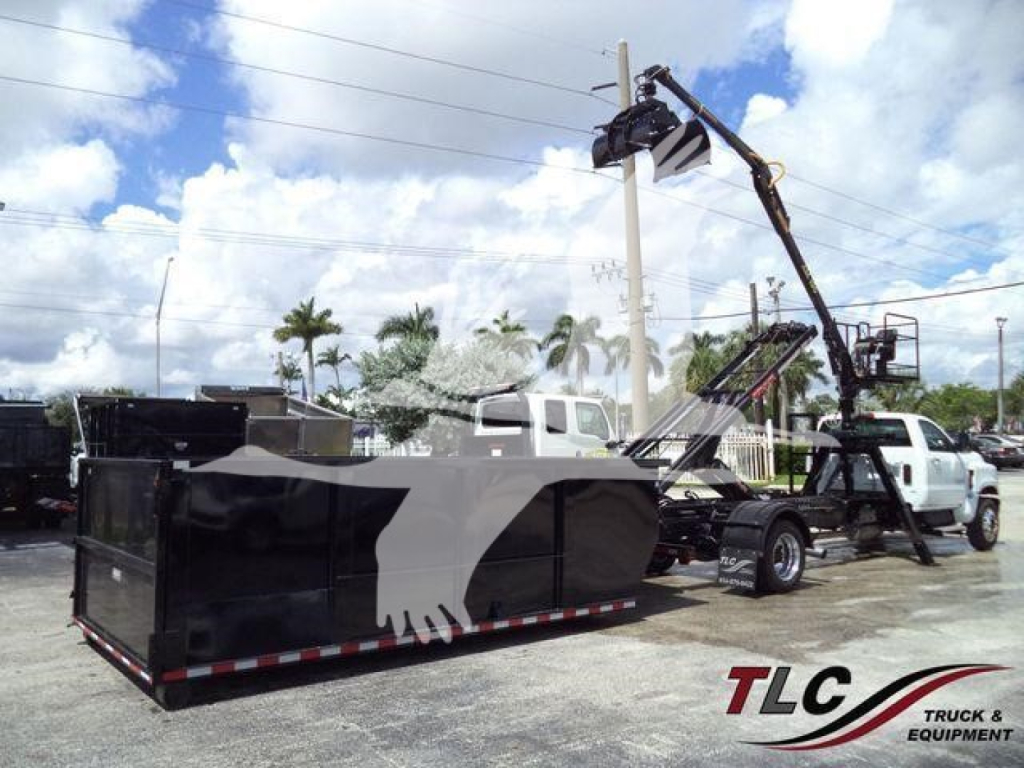
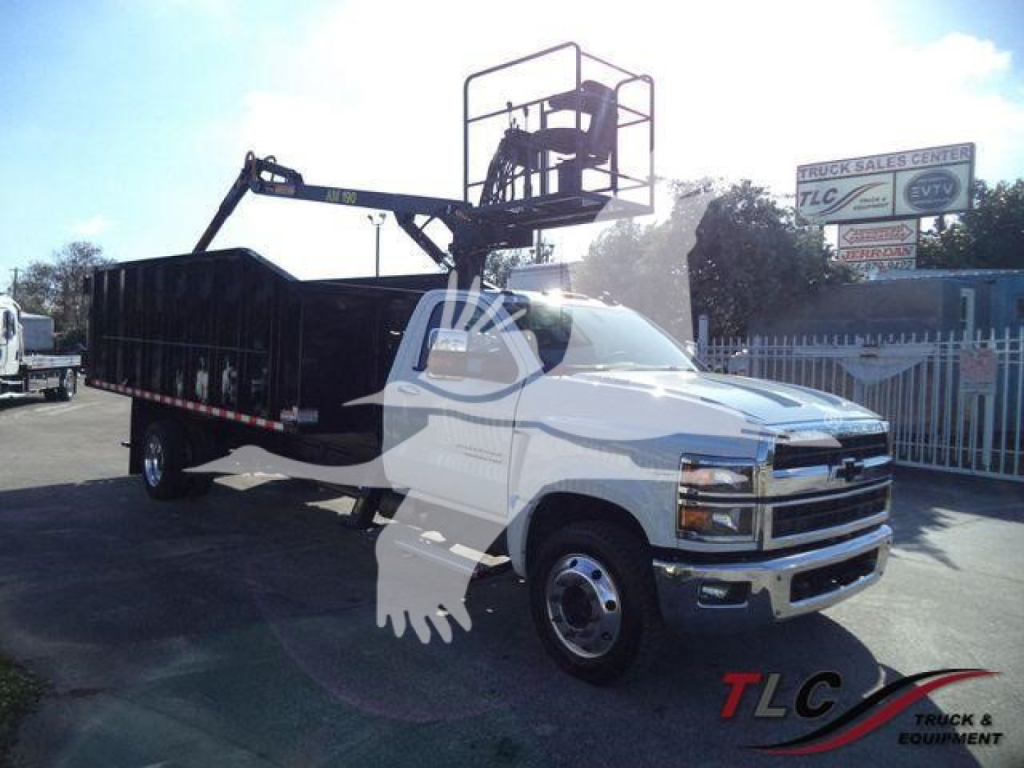
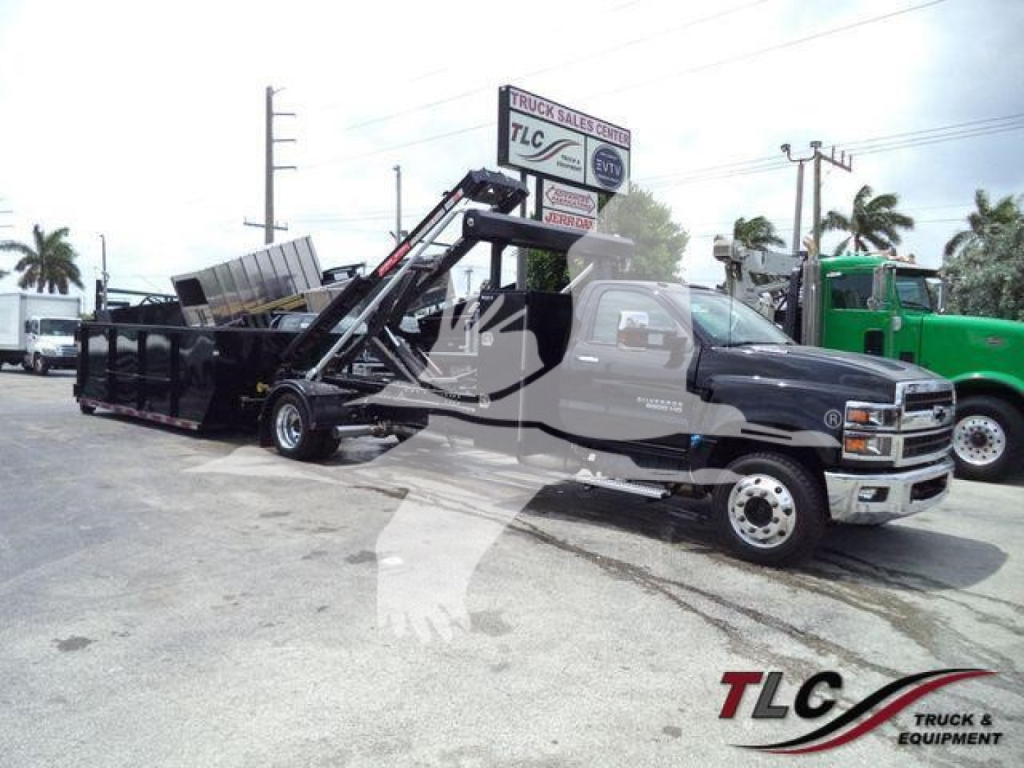
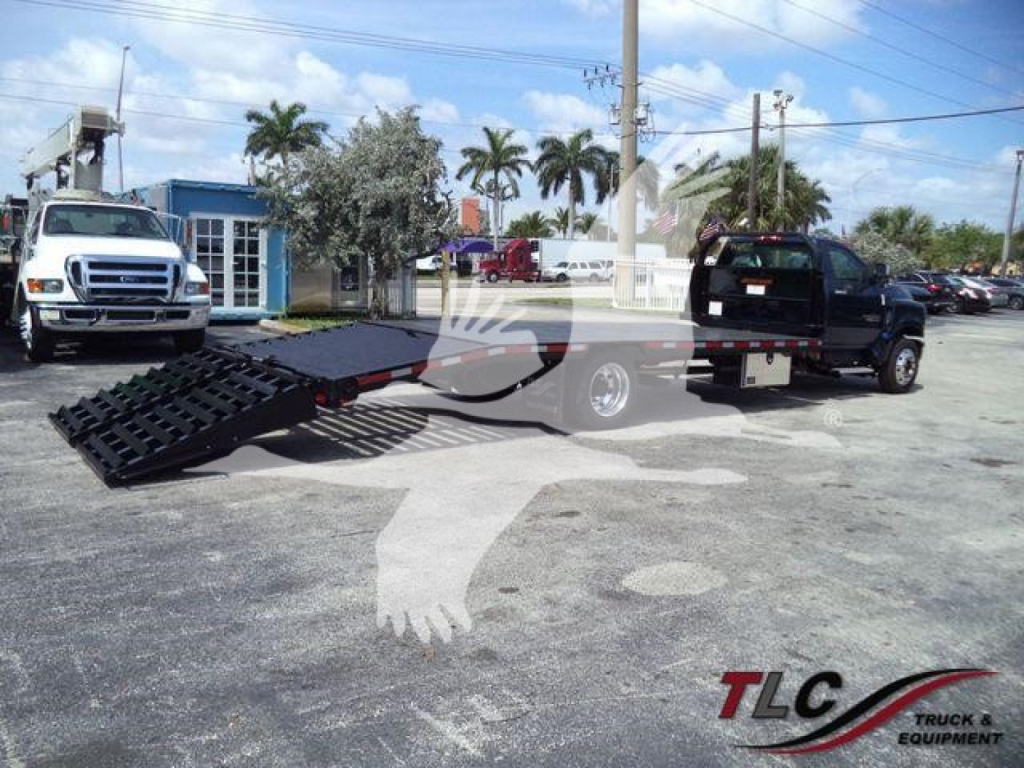
The term landscape truck covers a wider range of bodies than many buyers expect. Some units are set up as flatbeds with dovetail sections and spring-assisted ramps for mowers, skid steers, and compact equipment. Others are built as landscape dumps with tall sides, tarp systems, receiver hitches, and toolbox storage for mixed debris, mulch, and hardscape material. Grapple trucks and roll-off style Switch-N-Go systems also show up in this category, especially for contractors handling tree debris, storm cleanup, container swaps, or combined hauling and loading work. The most important buying decision is usually the body style and hoist capacity, not just the cab and chassis badge.
Key specs to compare include GVWR, axle rating, body length, side height, hoist type, PTO setup, and ramp or boom configuration. Many Chevrolet landscape trucks in this class run 19.5-inch low profile tires, spring suspension, and single rear axles, with GVWRs often in the 23,500 to 26,000 pound range depending on chassis and upfit. Buyers hauling compact equipment should pay close attention to deck length, beavertail angle, ramp rating, and tie-down placement. Buyers moving brush, logs, and demolition debris should look harder at wall height, floor thickness, grapple reach, boom lift capacity, and rear door design. If the truck will tow, receiver rating, brake controller setup, and electrical plug type matter just as much as payload.
A Chevrolet landscape truck can fit crews that need one chassis to cover mowing, irrigation, tree work, cleanup, and light equipment transport without stepping into a full Class 8 platform. Regular cab layouts are common because they maximize body space and simplify maneuvering in tighter commercial and residential areas. For Florida work, corrosion resistance on the body, sealed electrical components, A/C performance, and easy washout design are worth extra attention because heat, humidity, and frequent rain accelerate wear on wiring, flooring, and hydraulic components. A well-matched upfit with the right payload margin will usually outperform a heavier, more specialized truck that spends part of its life underutilized.
Frequently Asked Questions about Chevrolet Landscape Trucks in Florida
What is a Chevrolet landscape truck typically used for?
A Chevrolet landscape truck is typically used for hauling mowers, skid steers, mulch, brush, debris, pavers, and other jobsite material for landscaping and grounds maintenance operations. Depending on the upfit, it may function as a flatbed equipment hauler, a dump truck with high sides, a grapple truck for tree and storm debris, or a roll-off truck for container handling. The category covers several vocational setups built around the same medium-duty Chevrolet chassis.
What Chevrolet chassis is most common for landscape truck upfits?
The Chevrolet Silverado 6500HD is one of the most common chassis for landscape truck upfits when buyers need a heavier body, stronger payload capacity, or more towing capability. Silverado 4500HD and 5500HD models are also used, especially for lighter dump or mower-hauling applications. The right chassis depends on the finished body weight, expected payload, and whether the truck will carry hydraulic equipment such as a grapple or roll-off hoist.
Which specs matter most when buying a landscape truck?
The most important specs are GVWR, payload after upfit, body length, hoist capacity, side height, axle configuration, and the type of work the truck will actually do. For equipment hauling, deck construction, beavertail design, ramp rating, and tie-down points are critical. For debris and material hauling, buyers should focus on wall height, floor material, rear door style, tarp systems, and hydraulic performance. If towing is part of the operation, hitch rating and trailer brake provisions should be verified early.
Is a diesel Chevrolet landscape truck a better choice than gas?
A diesel Chevrolet landscape truck is often the better fit in medium-duty landscape applications because it provides stronger torque under load and tends to pair well with heavier vocational bodies. The 6.6L Duramax diesel is a common choice for crews hauling compact equipment, towing trailers, or running PTO-driven hydraulic systems. Gas trucks can make sense in lighter-duty use, but diesel is usually preferred once body weight, daily payload, and duty cycle increase.
Are grapple and roll-off bodies considered landscape trucks?
Yes. Grapple trucks and roll-off trucks are often listed in the landscape category because many landscape, tree service, and property maintenance contractors use them for debris handling, storm cleanup, and container-based hauling. A grapple body adds self-loading capability for limbs, logs, and bulky material, while a roll-off system allows one chassis to serve multiple body or container functions. These are specialized upfits, but they still fall within the broader landscape truck market.