
Commercial Trucks For Sale Near Lake Placid, Florida
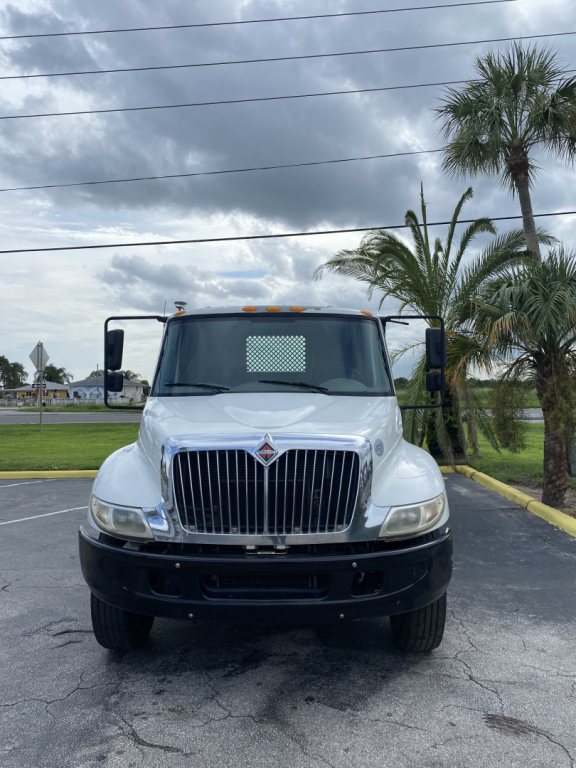
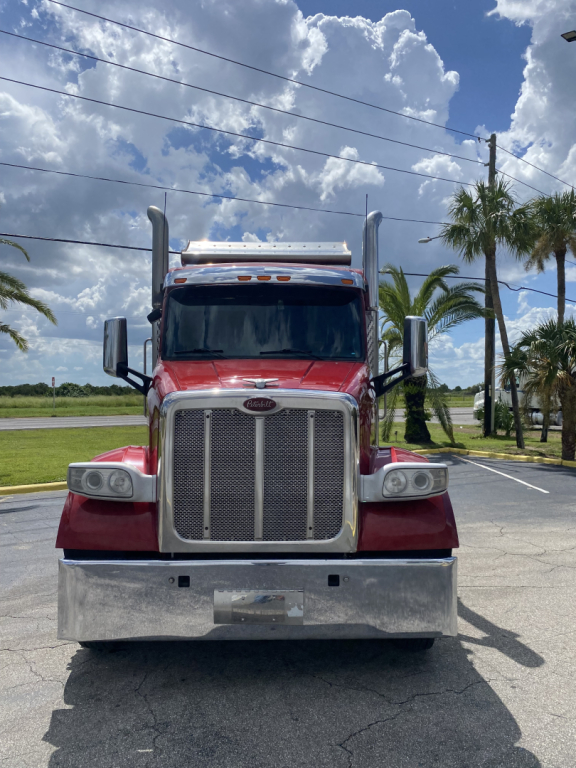
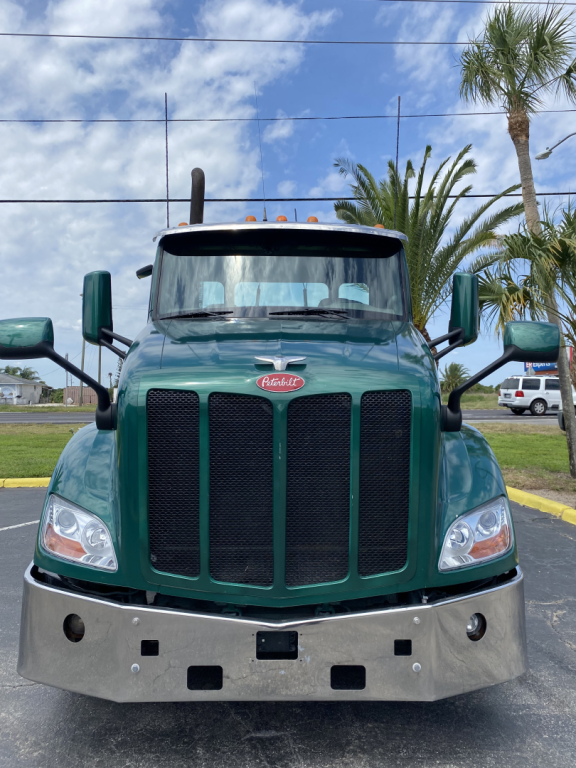
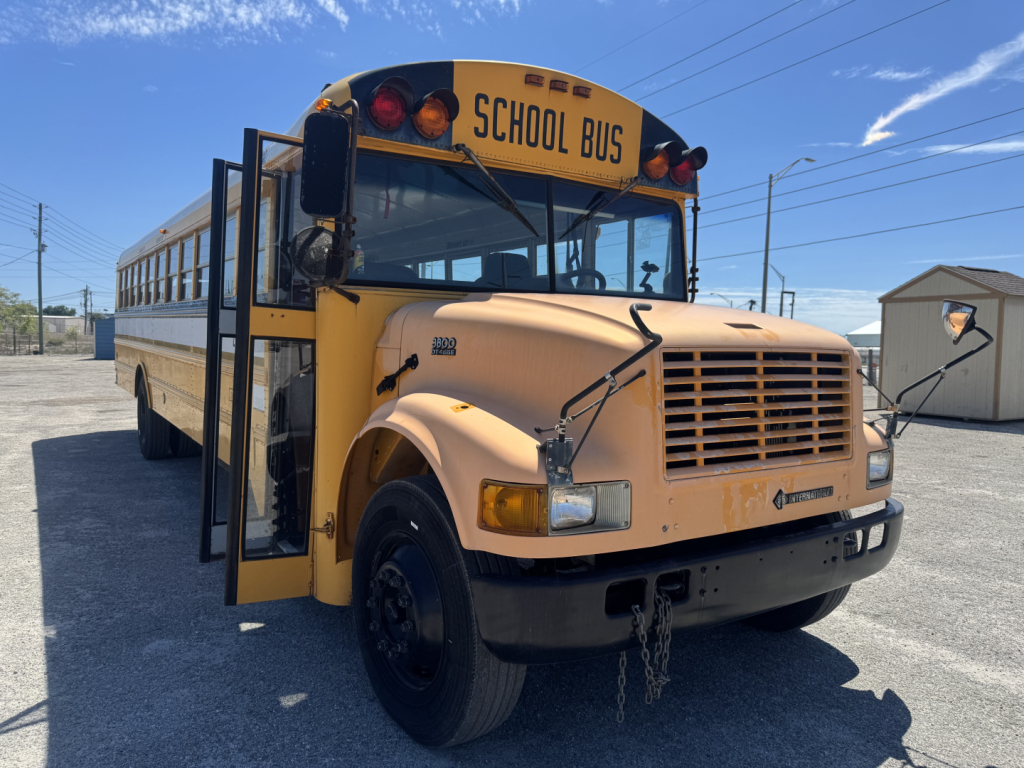
Have commercial truck to sell? List it here to reach thousands of buyers.
Commercial Trucks Near Lake Placid, Florida
Powertrain selection is still the core buying decision in this category. Common used truck specs include diesel engines from Cummins, Caterpillar, Detroit, International, and Mack, paired with manual Eaton-Fuller transmissions or Allison automatics depending on application. Tandem axle 6x4 tractors remain the standard for highway hauling and heavier vocational use, while 4x2 straight trucks are common in delivery fleets. Buyers should compare horsepower, rear axle ratio, wheelbase, front and rear axle ratings, suspension type, and brake configuration as a complete package instead of focusing on one number. A 3.42 or 3.55 ratio may favor fuel economy in linehaul service, while deeper ratios can make more sense for heavy starts, towing, or stop-and-go operations.
Truck condition matters just as much as spec. On used commercial trucks, mileage is only one data point. Service history, engine rebuild records, rust exposure, cab and frame condition, tire percentage, brake life, and suspension wear often tell more about remaining value than odometer reading alone. South Florida buyers often pay attention to corrosion, cooling system performance, and A/C operation because heat and humidity expose weak components quickly. On tractors, check fifth wheel travel, differential lock function, engine brake performance, and signs of driveline vibration. On box trucks, confirm box dimensions, GVWR, floor condition, roof integrity, liftgate operation, and door seal condition. On wreckers, verify winch capacity, boom structure, hydraulic response, underlift ratings, and PTO engagement under load.
A good used truck purchase comes down to matching the chassis to the route, payload, and duty cycle. Local delivery operations may prioritize automatic transmissions, lower entry height, and a 20- to 26-foot box with liftgate. Over-the-road buyers usually focus on sleeper size, fuel capacity, axle ratio, and engine platform support. Vocational and recovery buyers need to pay close attention to frame strength, suspension type, auxiliary equipment compatibility, and legal operating weights. When comparing trucks in this category, the best value is usually the unit with the right application spec, documented maintenance, and enough remaining component life to go to work without immediate reconditioning.
Frequently Asked Questions about Commercial Trucks Near Lake Placid, Florida
What types of trucks are commonly included in a used truck category?
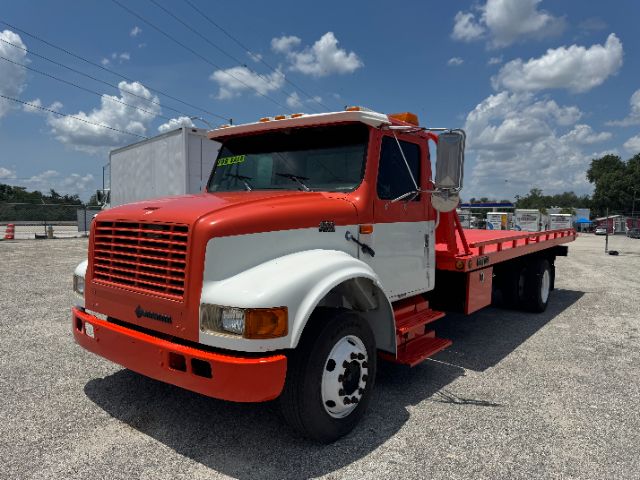
A used truck category can include day cab semi tractors, sleeper trucks, box trucks or straight trucks, tow trucks, wreckers, and other vocational chassis. The key difference is the intended application. Day cabs are common for local and regional freight, sleepers are built for longer routes, box trucks handle enclosed cargo and delivery work, and tow trucks are designed for recovery and transport of disabled vehicles.
What specs matter most when comparing used trucks for sale?
The most important specs depend on the job, but buyers usually start with engine make and horsepower, transmission type, axle configuration, wheelbase, rear axle ratio, suspension, GVWR or axle ratings, and tire size. A freight tractor should also be evaluated for fifth wheel setup and fuel capacity, while a box truck should be checked for body dimensions and liftgate specs. On tow trucks, rated boom, winch, and underlift capacity are critical because they define what the truck can legally and safely recover.
Is a day cab or sleeper truck better for my operation?
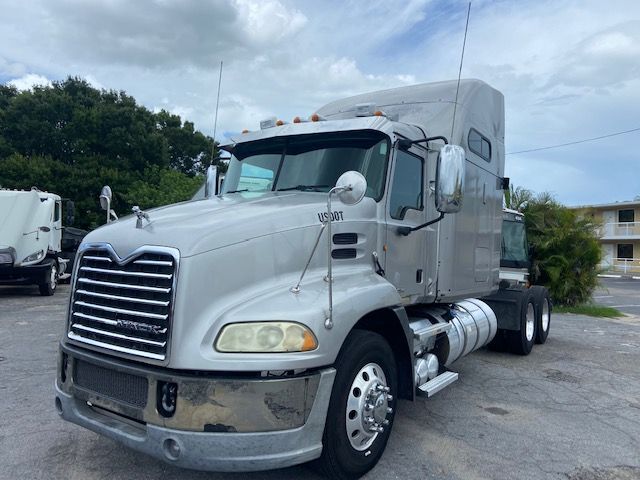
A day cab is usually the better choice for local and regional hauling where the driver returns regularly and maneuverability matters. It typically weighs less and can offer a tighter overall package for shorter routes. A sleeper truck makes more sense for longer runs because it provides rest space, often larger fuel capacity, and a setup better suited for over-the-road schedules. The right choice depends on route length, driver needs, and payload priorities.
What should I inspect first on a used box truck?
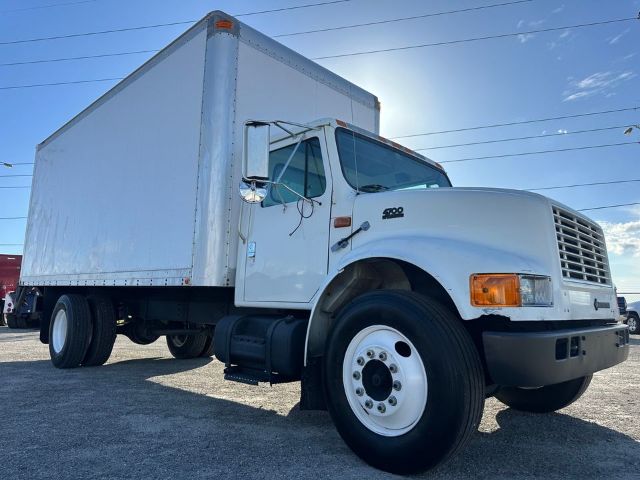
Start with the chassis and the box as separate systems. On the chassis, check the engine, transmission, suspension, brakes, steering, tire wear, and service history. On the body, inspect the floor for soft spots or damage, look for roof leaks, verify inside dimensions, check roll-up door operation, and test the liftgate if equipped. Box condition can significantly affect value because body repairs and water damage can become expensive quickly.
What is especially important when buying a used tow truck or wrecker?
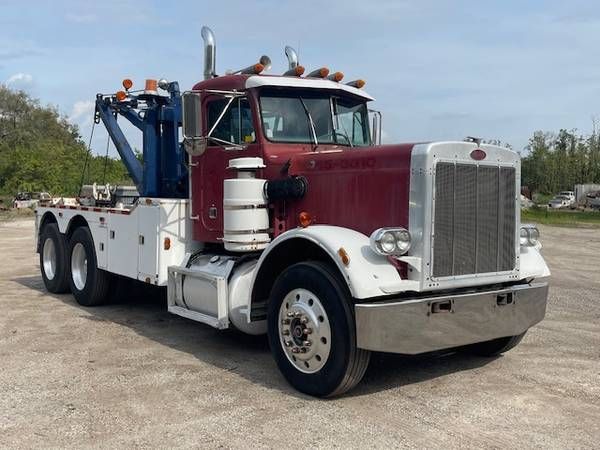
A used tow truck should be evaluated on both the truck chassis and the recovery equipment. Buyers should verify boom rating, winch capacity, underlift capacity, hydraulic performance, PTO operation, and the condition of cables, pins, pivot points, and structural members. It is also important to confirm that the axle ratings, suspension, and frame are appropriate for the recovery body and the intended towing class. A strong powertrain does not make up for worn or outdated recovery gear.