
Commercial Trucks For Sale Near Lake Ozark, Missouri
Have commercial truck to sell? List it here to reach thousands of buyers.
Commercial Trucks Near Lake Ozark, Missouri
Powertrain and brake specifications matter more in trucks than many buyers expect. Medium-duty models commonly use diesel engines paired with manual, automatic, or automated transmissions, and the right combination depends on route density, driver turnover, and payload consistency. Hydraulic brakes are common on lighter medium-duty trucks, while air brakes are more typical as weight and vocational demands increase. Buyers should also look closely at engine hours, idle history, PTO operation, cooling system condition, and front axle capacity, especially on trucks carrying tanks, cranes, compressors, or other permanent upfit equipment. In vocational applications, the body and chassis must work as one system.
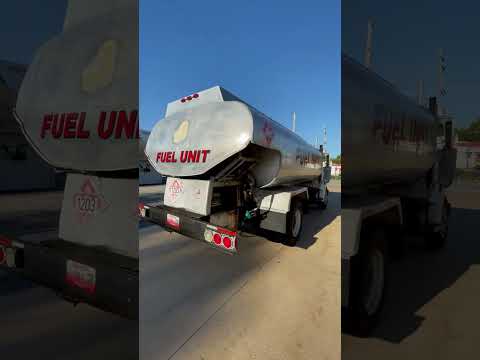
Specialized truck bodies can change the entire value equation. A tank truck, also known as a fuel truck or lube truck in some applications, needs close attention paid to tank material, total gallon capacity, compartment layout, pump operation, hose reel condition, meter setup, and compliance items tied to the product being hauled. Other truck types bring their own checkpoints, such as hoist condition on dumps, reach and stability on bucket trucks, or rollback deck operation on wreckers and carriers. In Missouri, local terrain, seasonal weather, and road conditions can also influence tire choice, traction setup, and corrosion exposure on older frames, tanks, and plumbing.
A strong truck listing should tell you more than year, make, and model. Buyers should compare mileage against engine hours, verify service records, inspect frame integrity, and confirm that the registration, VIN data, and body specifications match the intended use. If the truck has been used in municipal or fleet service, preventive maintenance history can be a major advantage, but it is still important to inspect pumps, valves, electrical systems, lighting, suspension wear points, and any mounted equipment under load. The best truck purchase is the one that fits the application without forcing costly rework after delivery.
Frequently Asked Questions about Commercial Trucks Near Lake Ozark, Missouri
What should I look at first when comparing trucks for sale?
Start with the application, payload, and body requirements before looking at brand preference. GVWR, axle capacity, wheelbase, cab style, and PTO readiness determine whether a truck can actually support the work you need it to do. After that, review the powertrain, brake system, suspension, and any vocational equipment mounted on the chassis. This approach helps avoid buying a truck that looks like a good value but needs expensive modifications to become usable.
How do I choose between a medium-duty truck and a heavier vocational truck?
The decision usually comes down to payload, upfit weight, duty cycle, and braking needs. Medium-duty trucks are often a good fit for local delivery, lighter service bodies, and municipal tasks, while heavier vocational trucks are better suited for tank work, severe-duty hauling, larger PTO-driven equipment, and repeated operation under load. Front axle rating, rear suspension, frame strength, and brake type are often more important than engine horsepower alone when comparing these classes.
Why does wheelbase matter so much on commercial trucks?
Wheelbase affects body fitment, turning radius, axle loading, and overall jobsite usability. A truck with the wrong wheelbase may not accept the body you need or may create poor weight distribution once loaded. That can lead to handling issues, front axle overload, or rear axle underutilization. For tank trucks, service trucks, and other vocational units, wheelbase also influences pump placement, hose reel location, and legal axle spacing.
What is important to inspect on a used tank truck or fuel truck?
Tank trucks should be inspected as both a chassis and a dispensing system. Review tank capacity, compartment configuration, material type, internal condition, plumbing, valves, pumps, hoses, nozzles, meters, and reel operation. On the truck side, check frame condition, brake system, suspension, engine performance, transmission operation, and PTO engagement if equipped. It is also important to verify that the truck's specifications and equipment match the fuel type or liquid product it is intended to handle.
Are fleet-maintained or government trucks a good option for buyers?
They can be, especially when preventive maintenance records are available and the truck has been serviced on a consistent schedule. Fleet and government units often follow routine inspection intervals and documented repairs, which can provide useful service history. Buyers still need to inspect for idle-heavy wear, age-related corrosion, deferred cosmetic issues, and condition of specialized equipment that may have seen less road use but significant stationary operation. Maintenance history is valuable, but it does not replace a full mechanical and equipment inspection.