
Commercial Trucks For Sale Near Lagrangeville, New York
Have commercial truck to sell? List it here to reach thousands of buyers.
Commercial Trucks Near Lagrangeville, New York
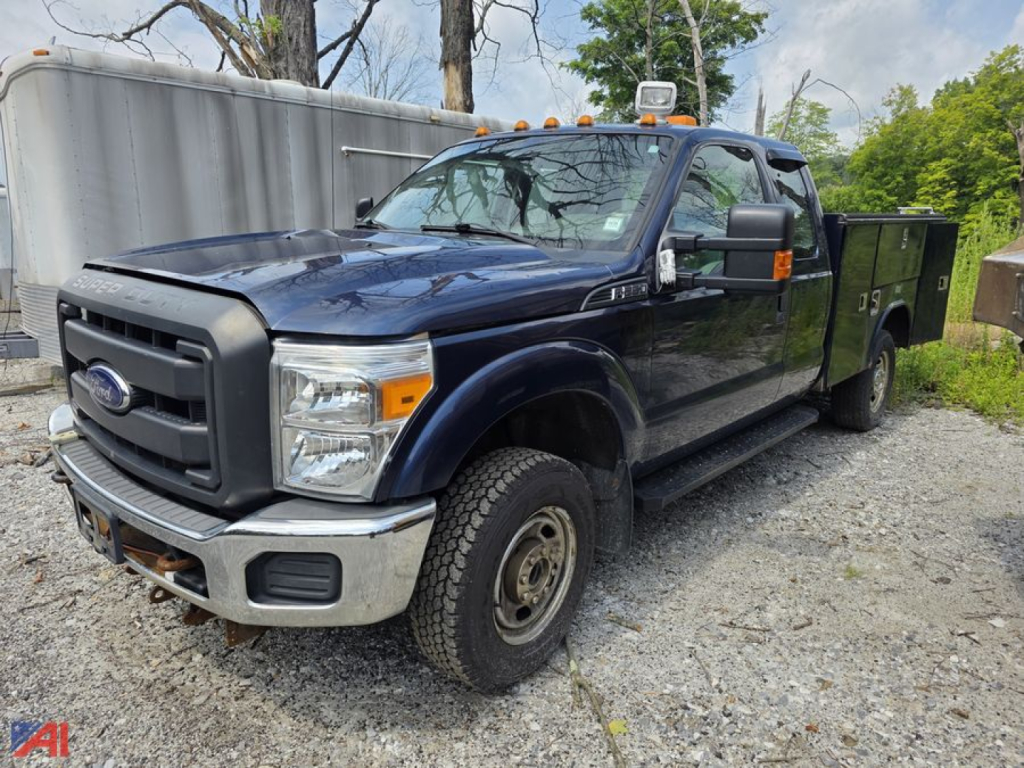
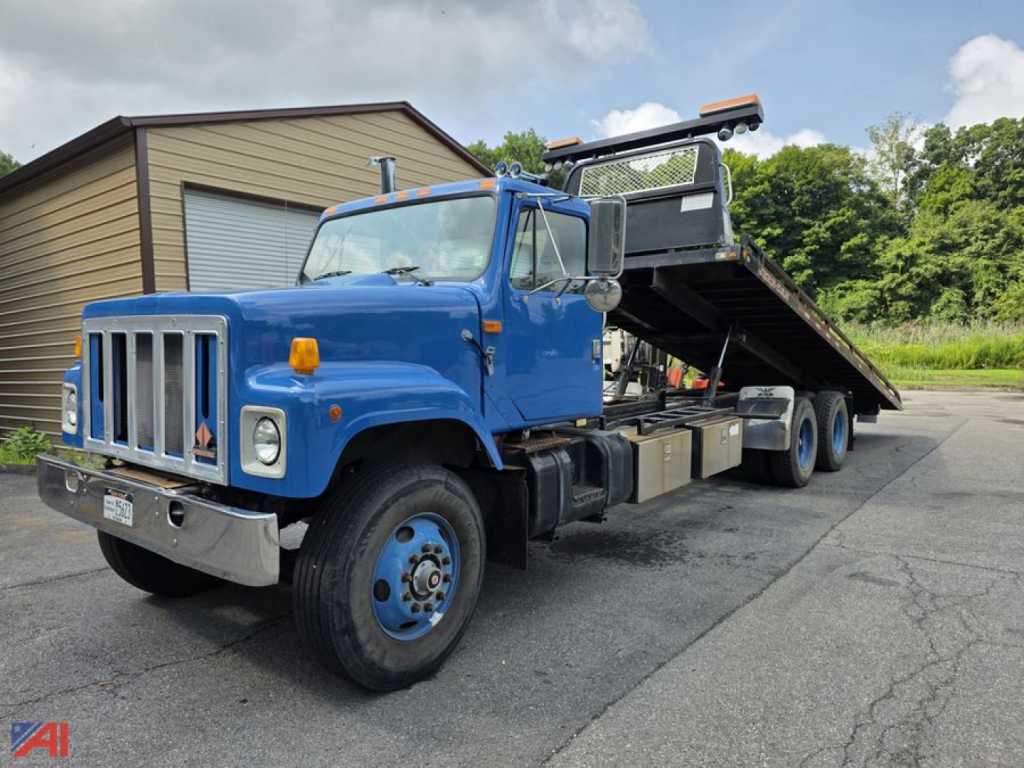
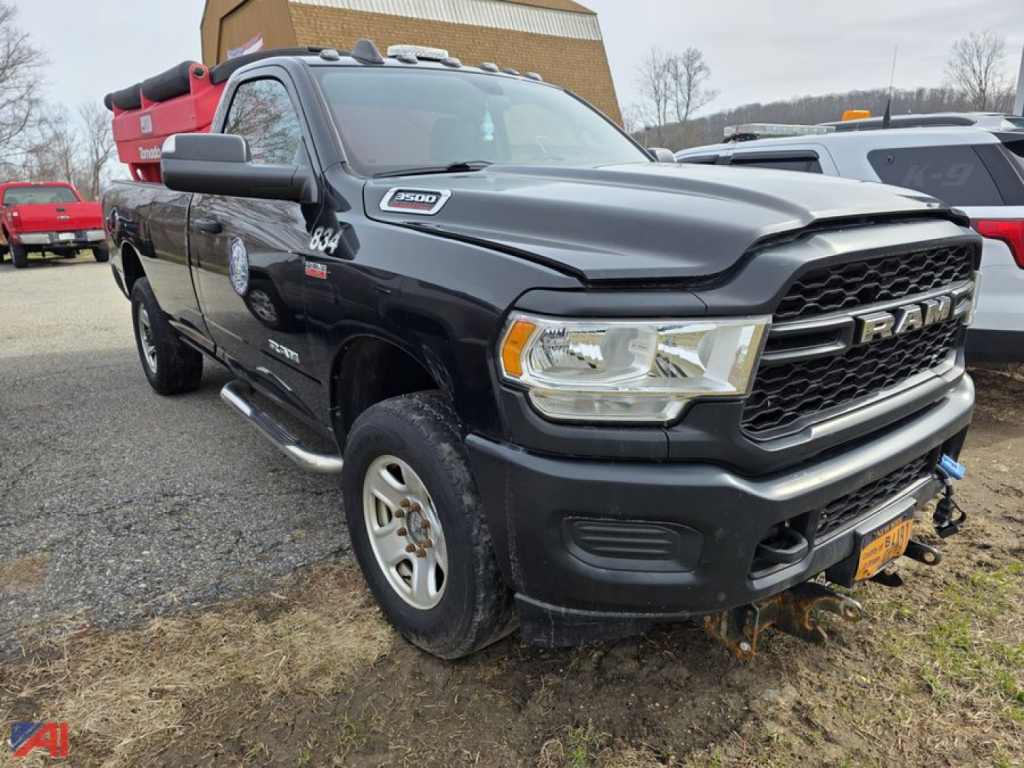
A utility or service truck is built around secure tool storage, compartment layout, and jobsite organization. A flatbed truck, also known as a stake bed or platform truck in some applications, is better suited to palletized material, equipment loading, and irregular cargo that will not fit inside a van body. Pickup-based commercial trucks such as Ford F-350, Chevrolet Silverado 3500, and similar one-ton models remain common because they are easier to maneuver on local roads while still offering strong towing and payload capacity. Buyers comparing gas versus diesel should look beyond fuel economy and consider idle time, PTO needs, cold-weather starting, emissions system complexity, and repair costs on older engines.
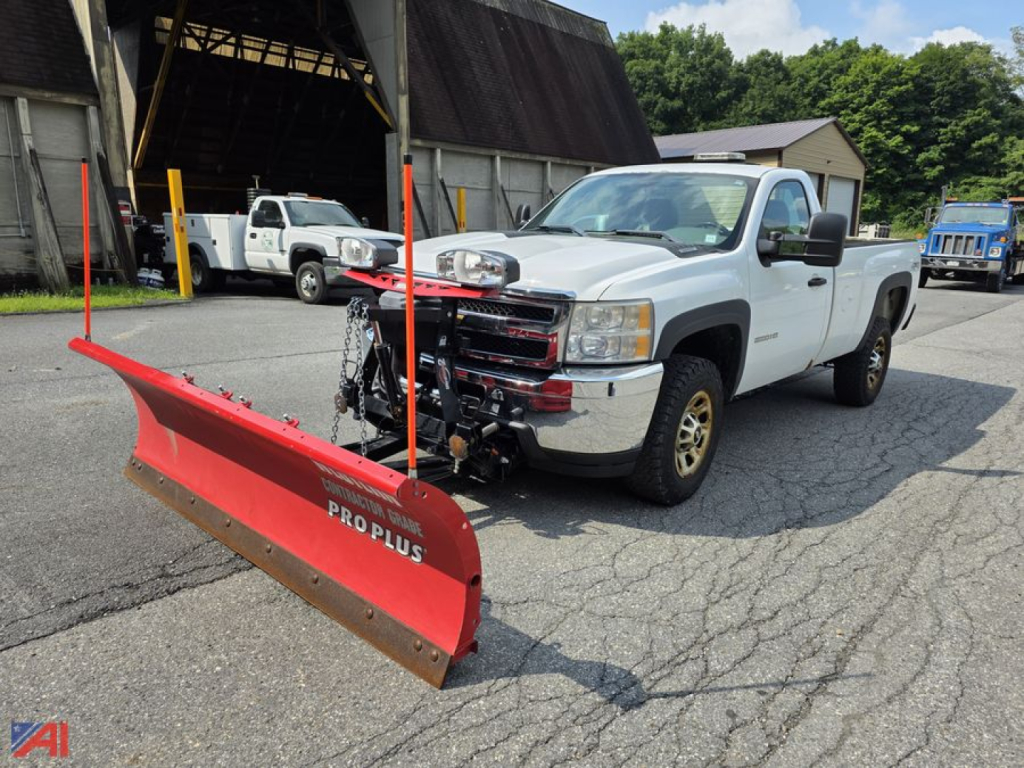
Key buying points usually include wheelbase, bed length, rear axle ratio, 4x2 versus 4x4, single rear wheel versus dual rear wheel, and whether the truck has a CDL-related GVWR threshold that affects operation. Cab choices matter too. Regular cabs maximize body length, extended cabs add interior storage, and crew cabs support multi-person crews but reduce available deck or body space on a similar wheelbase. If the truck carries specialty equipment such as a plow, liftgate, crane, ladder rack, compressor, or generator, inspect hydraulic operation, electrical upfit quality, and any signs that the added equipment overloaded the chassis over time.
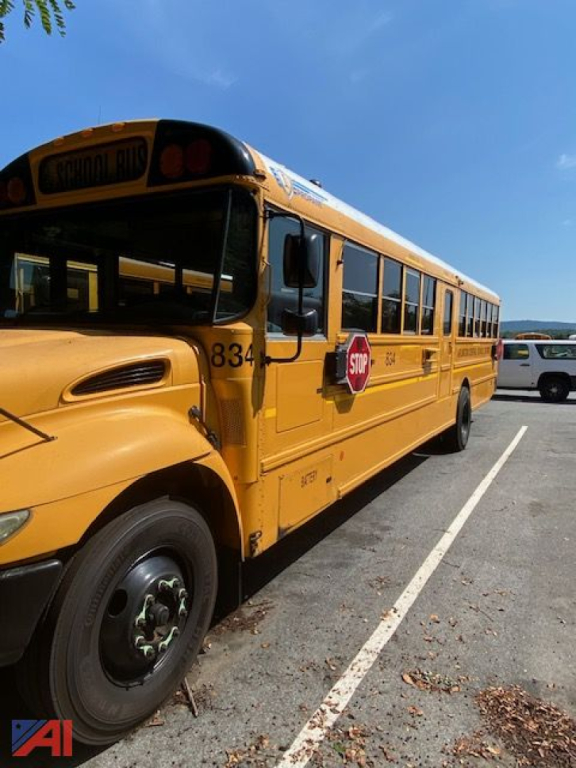
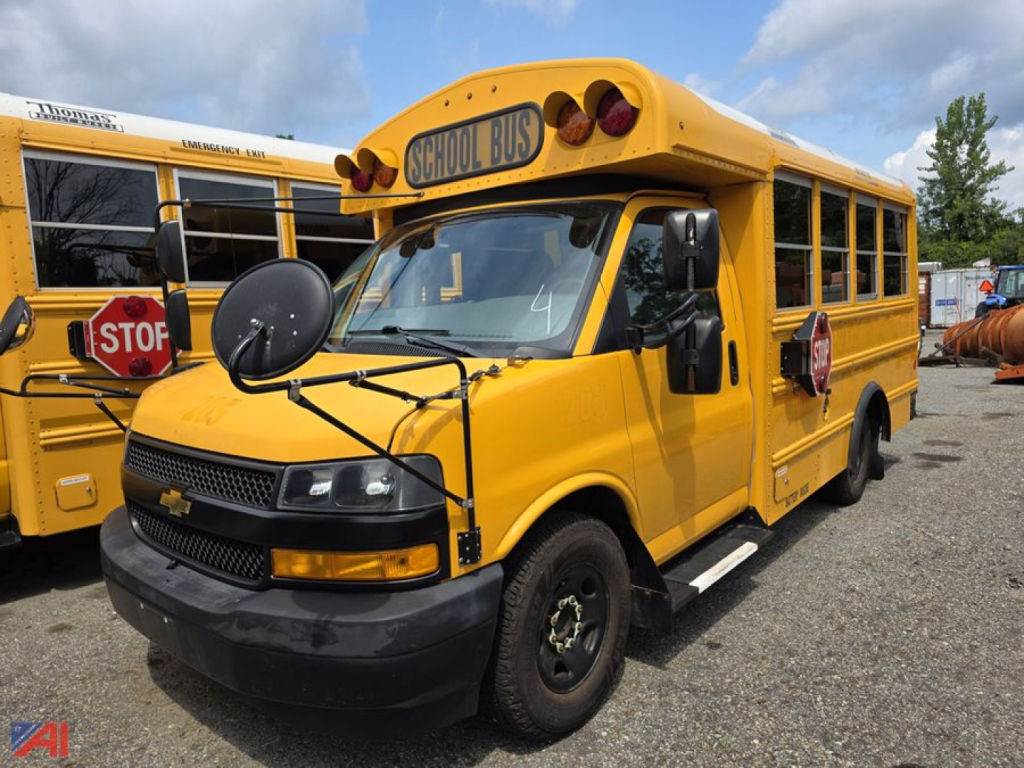
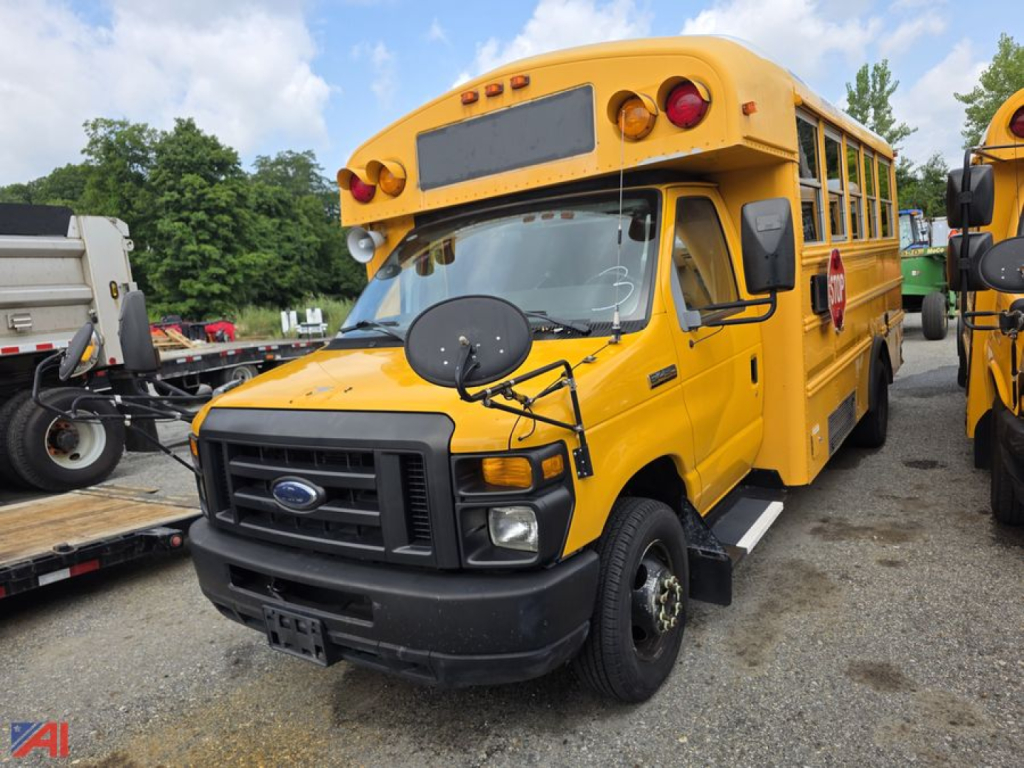
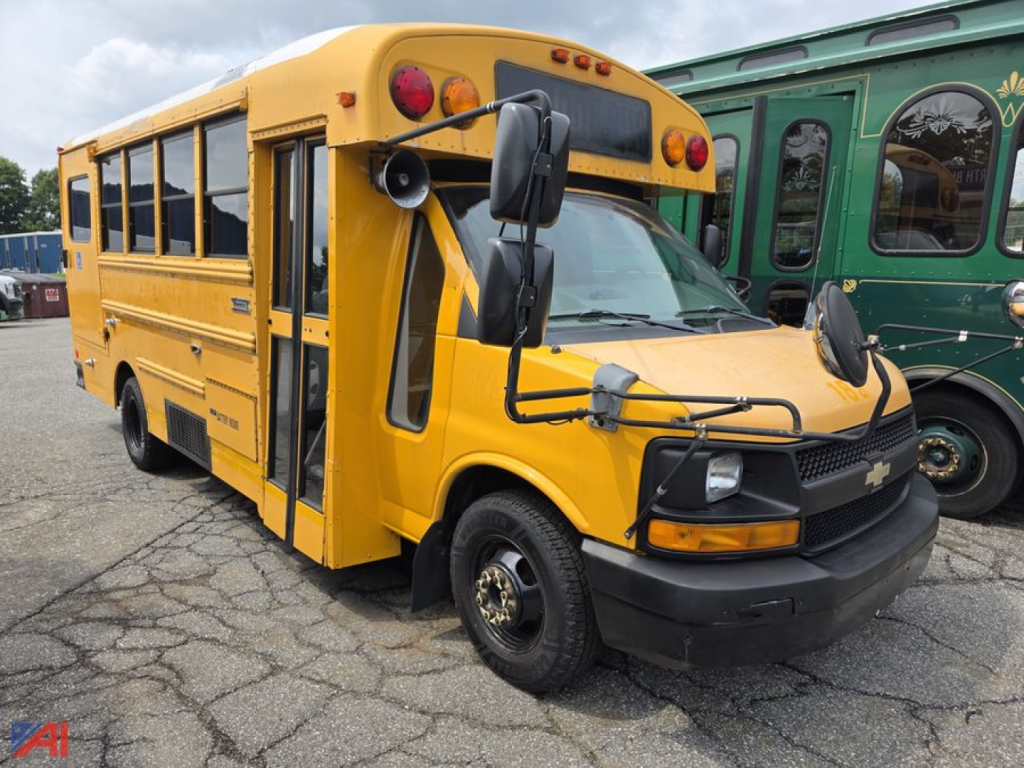
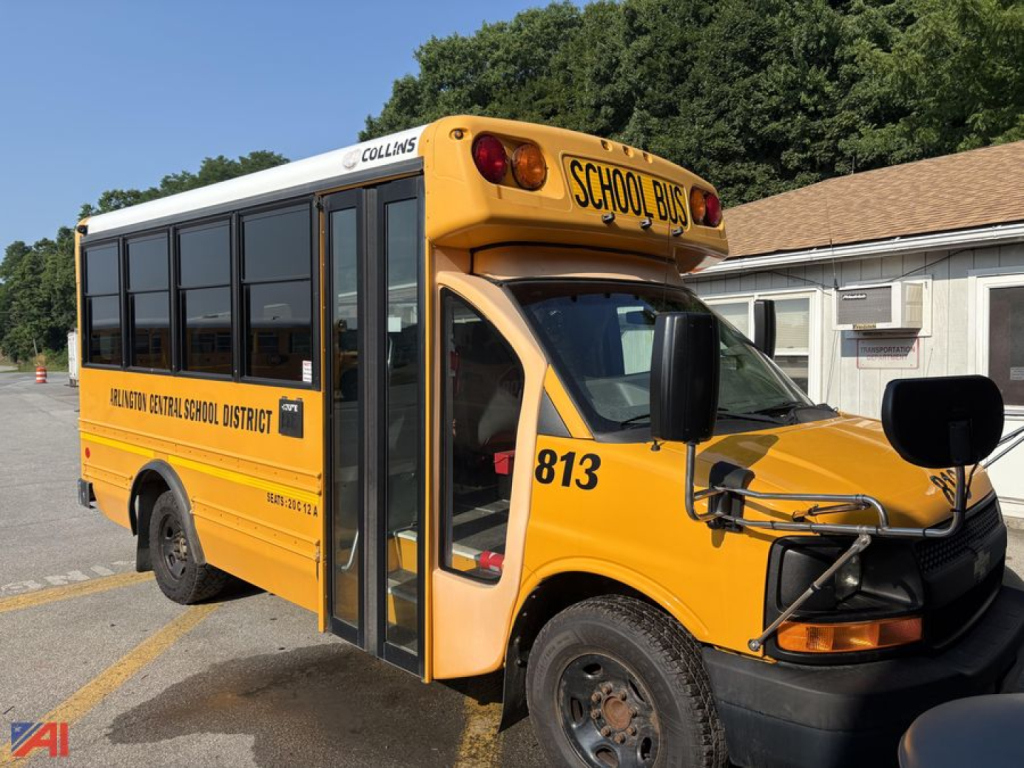
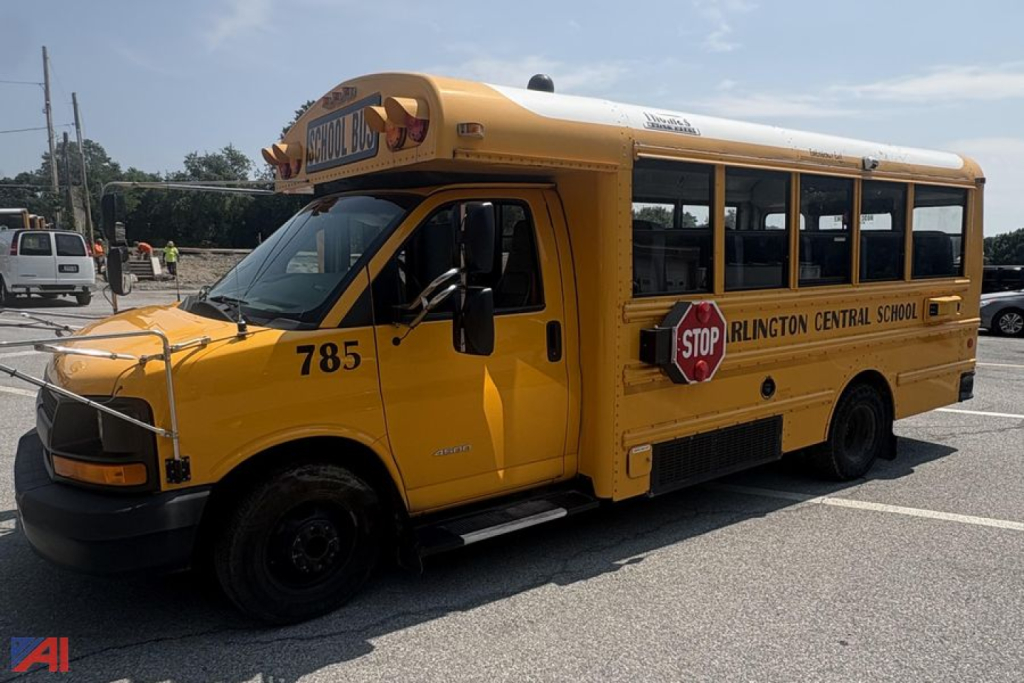
A good truck in this class should match the work first, then the route, then the budget. Local delivery, facilities maintenance, municipal support, landscaping, construction support, and school or institutional fleet use all call for different body setups and duty cycles. Buyers should verify service records, engine hours where available, transmission behavior under load, tire date codes, suspension wear, and the condition of the body mounts, crossmembers, and frame rails. On used trucks, the most valuable unit is not always the newest one. It is usually the one with the right configuration, a clean maintenance history, and a body or upfit that still fits the job without immediate rework.
Frequently Asked Questions about Commercial Trucks Near Lagrangeville, New York
What types of trucks are commonly found in this category?
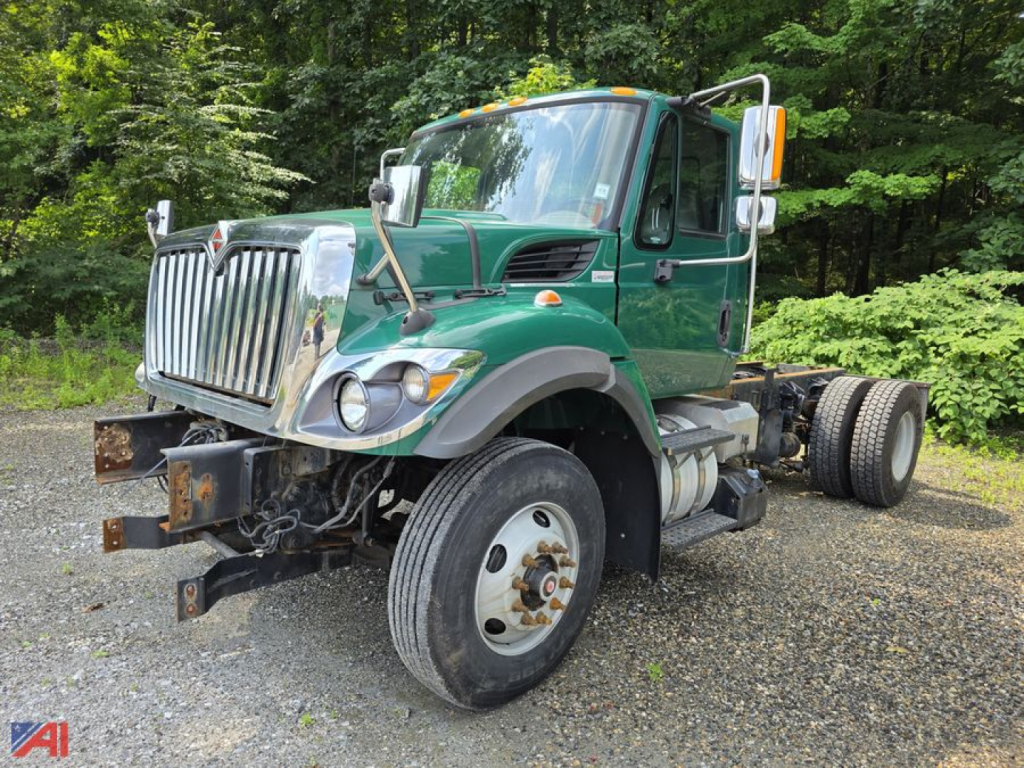
This category can include pickup-based work trucks, chassis cab trucks, utility or service trucks, flatbeds, stake beds, and other commercial-use configurations. The exact setup matters more than the nameplate because body style, GVWR, axle capacity, and upfit equipment determine how the truck performs on the job. Many buyers focus on light-duty and medium-duty units that can handle local hauling, maintenance work, towing, or mobile service without moving into a larger Class 7 or Class 8 platform.
What should I inspect first on a used truck in New York?
Start with corrosion and structural condition. In New York, frame rails, cab corners, rocker panels, brake lines, fuel lines, body mounts, spring hangers, and bed supports should be checked carefully for rust or patchwork repairs. After that, inspect steering play, front suspension wear, transmission operation, tire condition, and any evidence of hard commercial use such as overloaded springs, uneven tire wear, damaged hitch equipment, or poorly installed electrical accessories.
How do I choose between a flatbed truck and a utility truck?
A flatbed truck is usually the better choice for oversized material, palletized freight, landscaping supplies, or equipment that needs forklift access from the side. A utility truck is better for technicians, contractors, and maintenance crews who need lockable compartments, tool organization, and weather-protected storage. The choice comes down to cargo type, loading method, theft risk, and whether the truck functions as a delivery platform or a mobile workshop.
Is diesel always better for a commercial truck?
Diesel is not automatically the better option. Diesel trucks typically offer stronger low-end torque and can be a good fit for towing, higher annual mileage, or heavier payloads, but they can also bring higher repair costs and more emissions-related complexity on certain model years. Gas engines are often simpler and less expensive to maintain for local routes, seasonal use, or lower-mileage operation. The better engine is the one that matches the truck's duty cycle and expected maintenance budget.
Which specs matter most when comparing trucks for sale?
GVWR, wheelbase, axle ratio, drivetrain, cab style, body length, and rear suspension capacity are the main decision points. Those specs affect payload, maneuverability, towing ability, body compatibility, and legal operating limits. Buyers should also pay attention to upfit details such as hitch rating, PTO capability, plow package components, liftgate capacity, and electrical system condition because those features can add real value or create immediate repair expense.