
Used Kenworth Trucks For Sale in Oklahoma
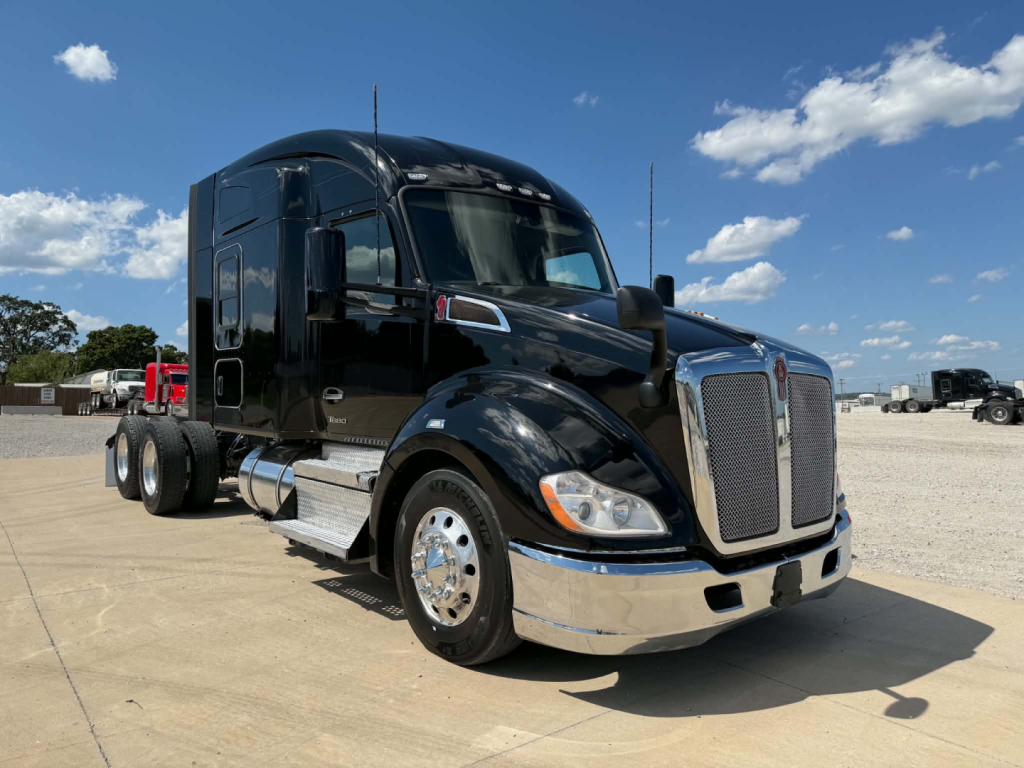
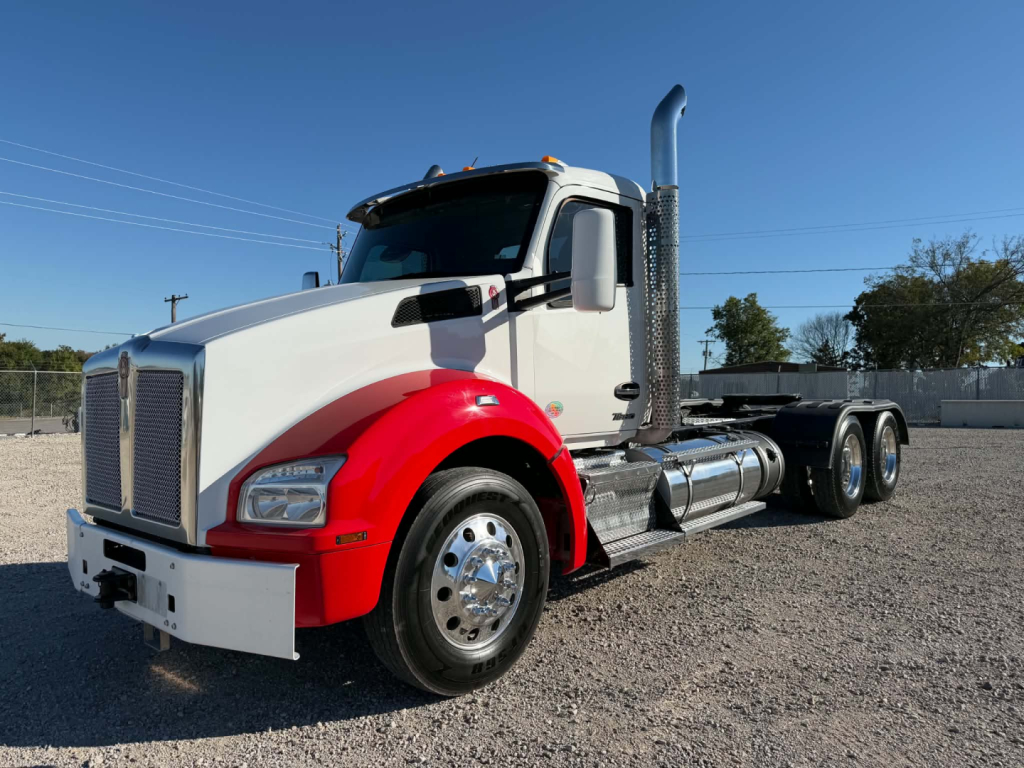
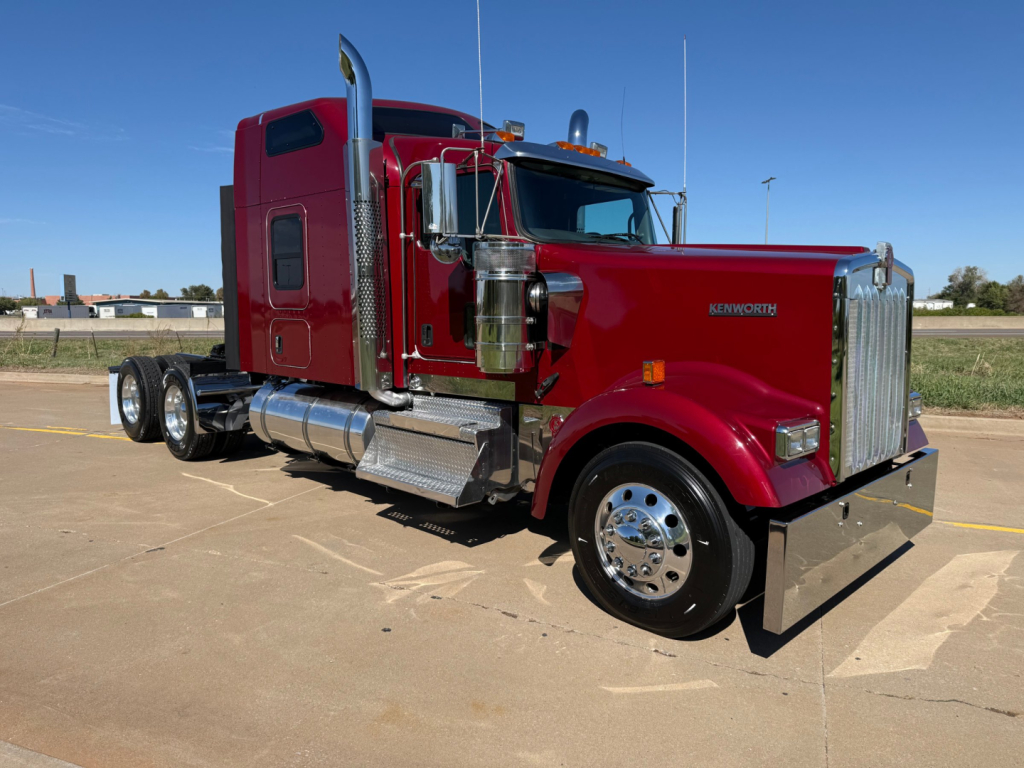
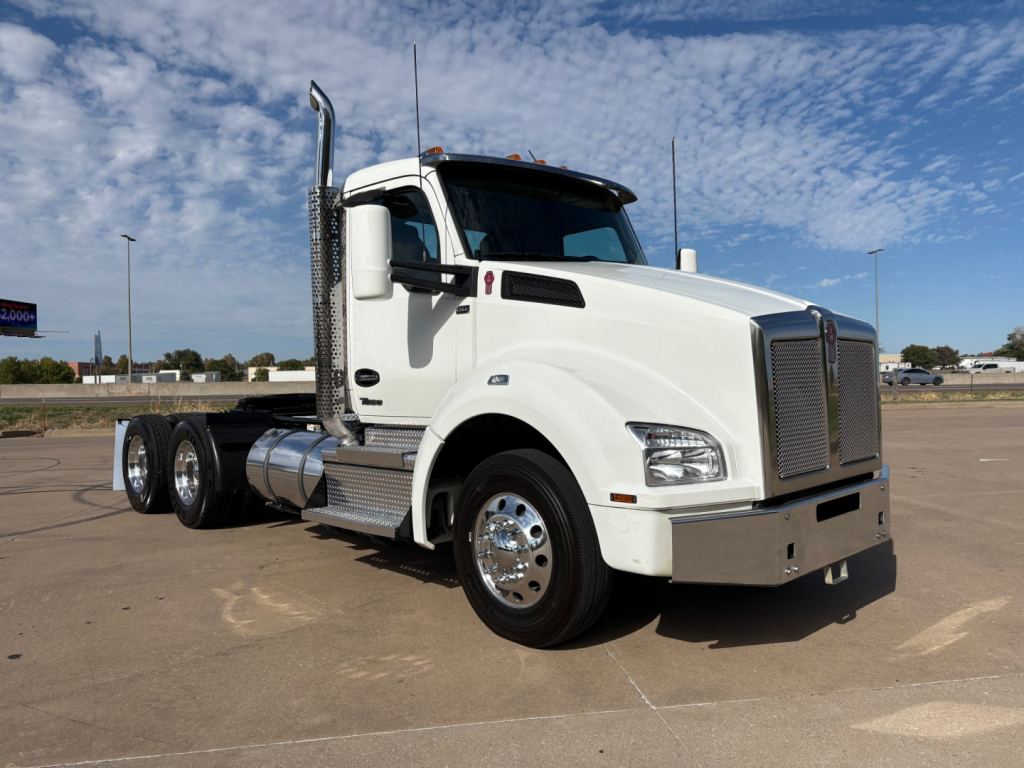
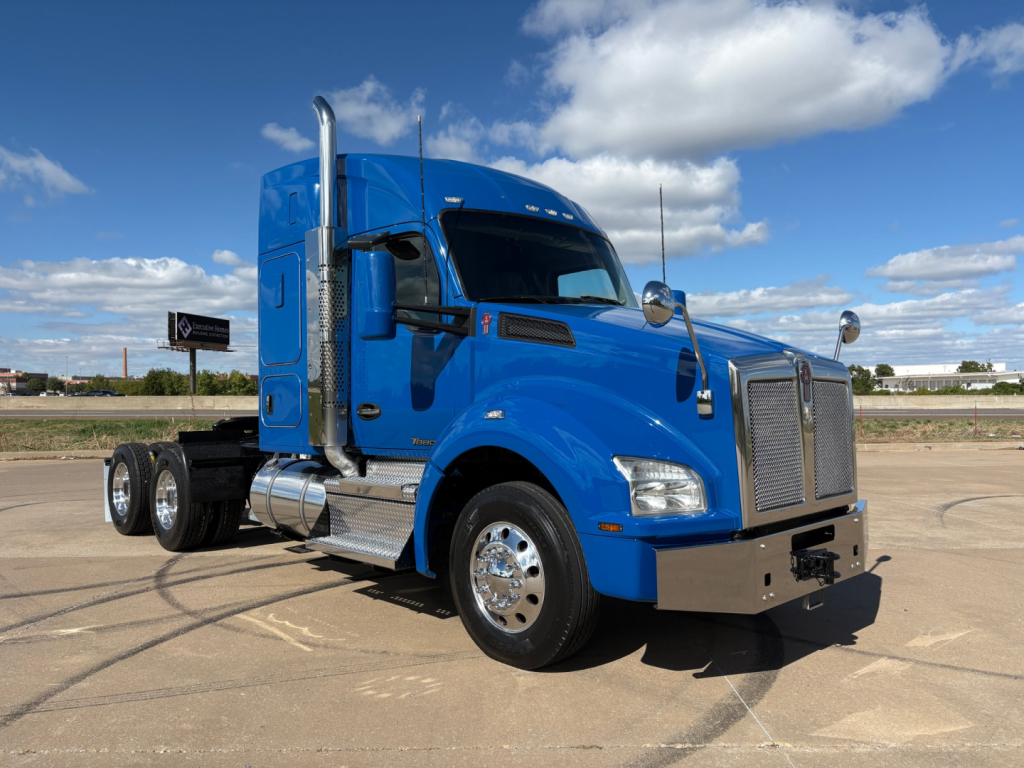
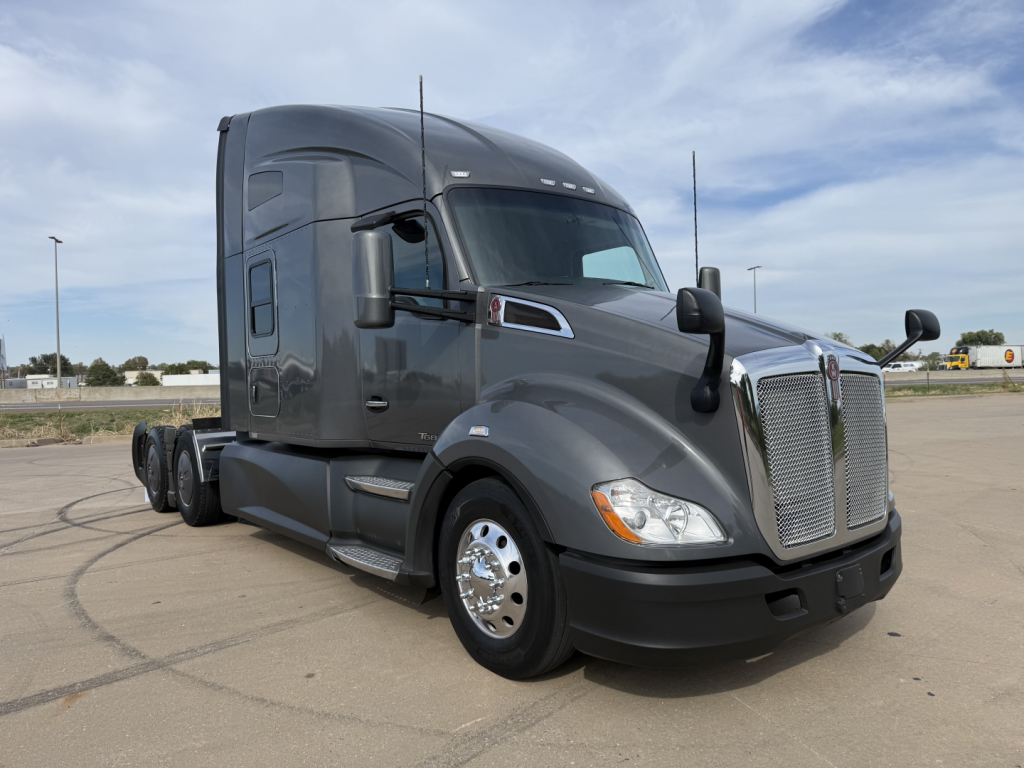
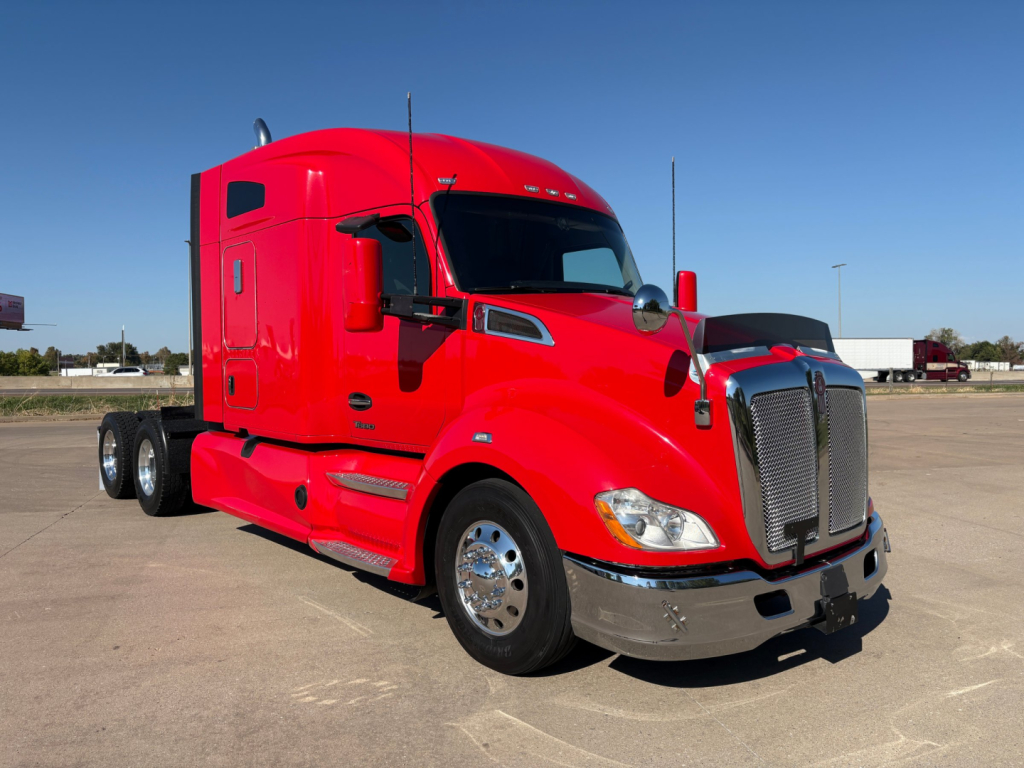
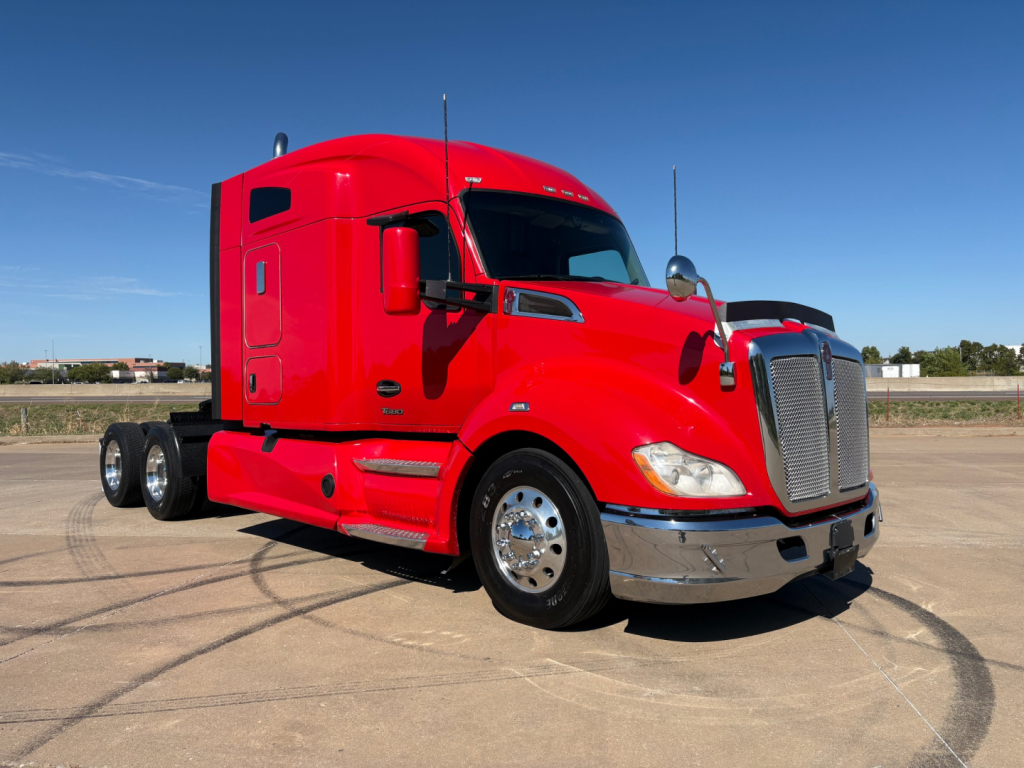
Browse used Kenworth trucks for sale in Oklahoma, including W900, T680, T800, and vocational models built for highway, oilfield, and heavy-duty work.
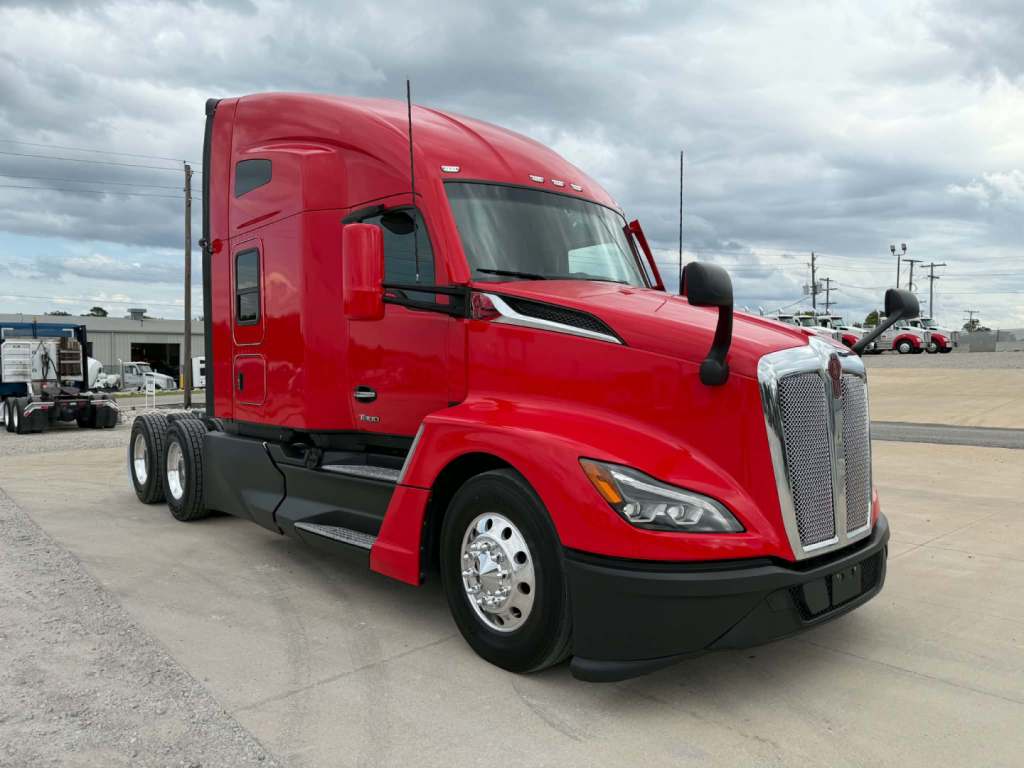
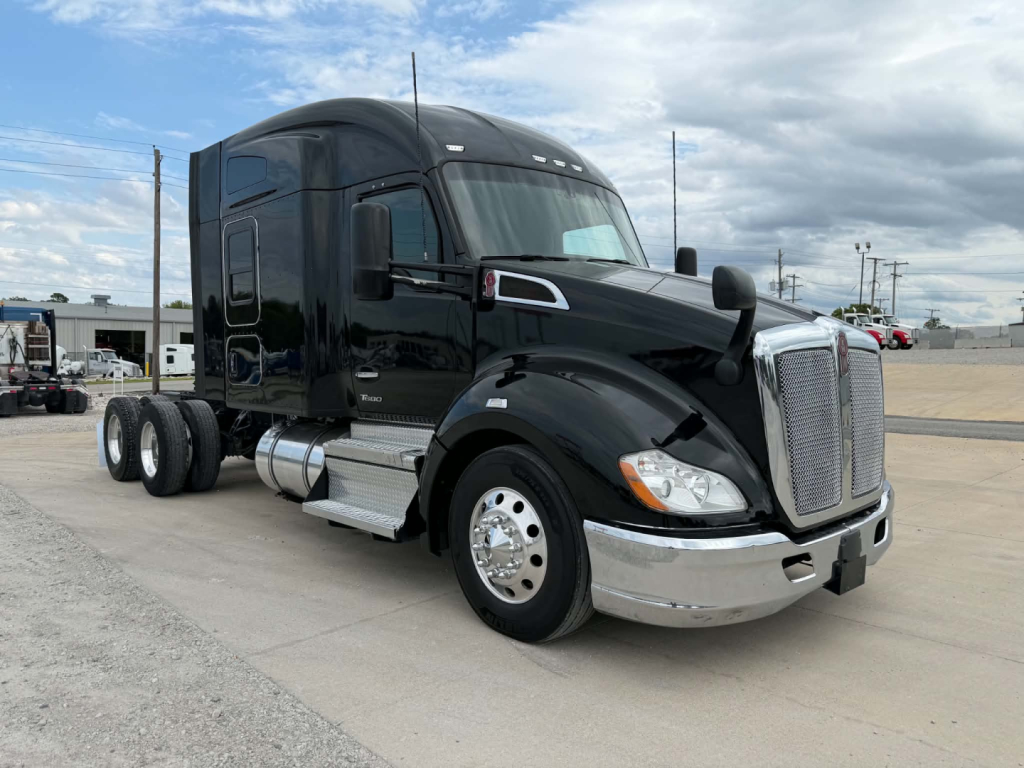
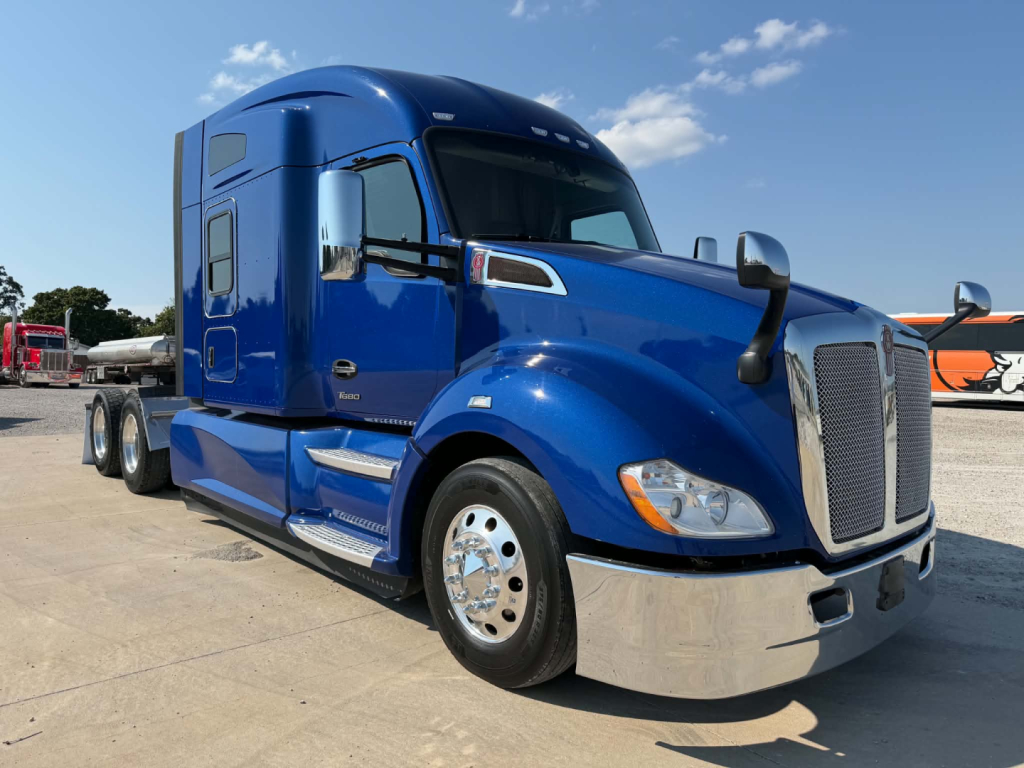
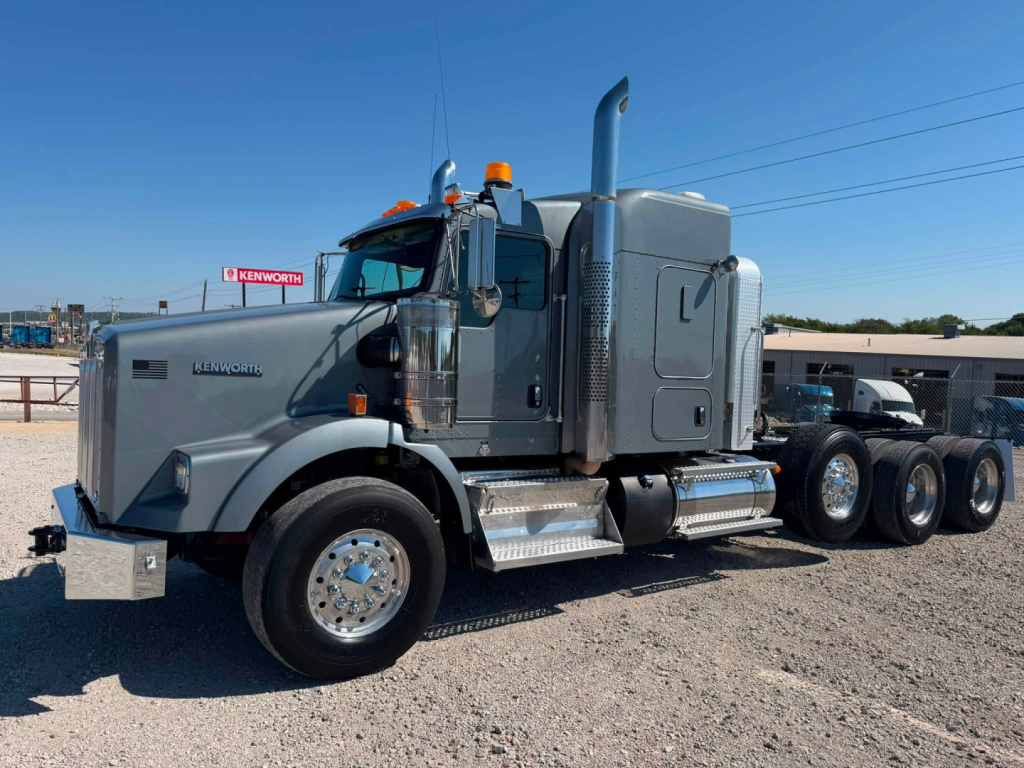
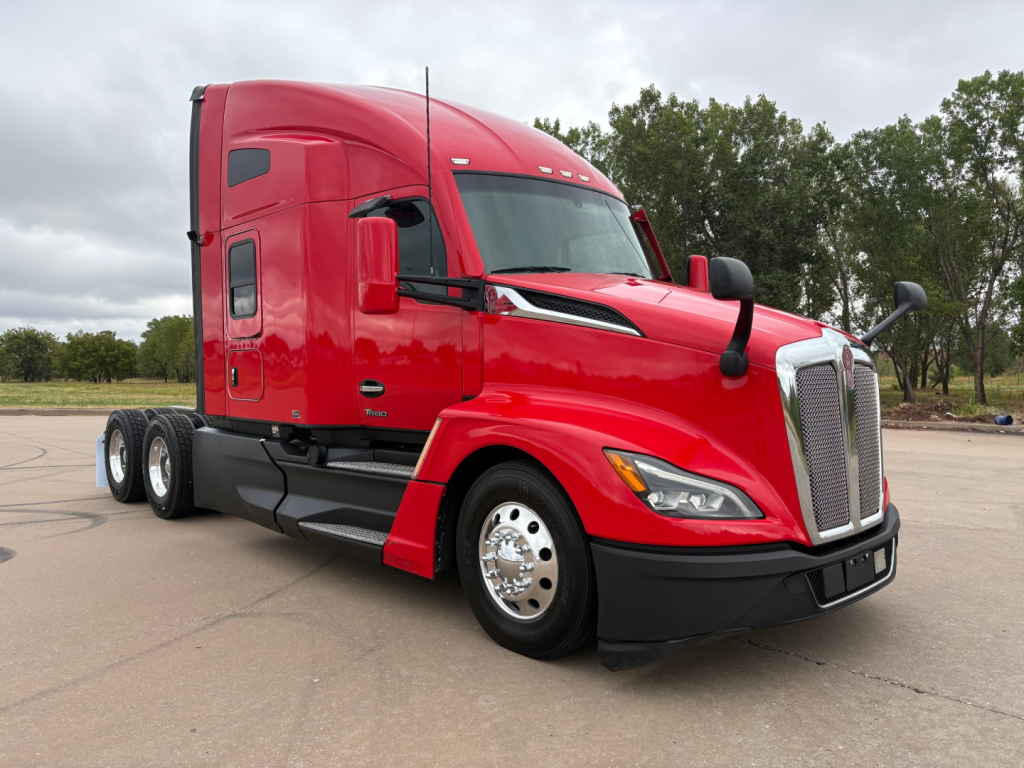
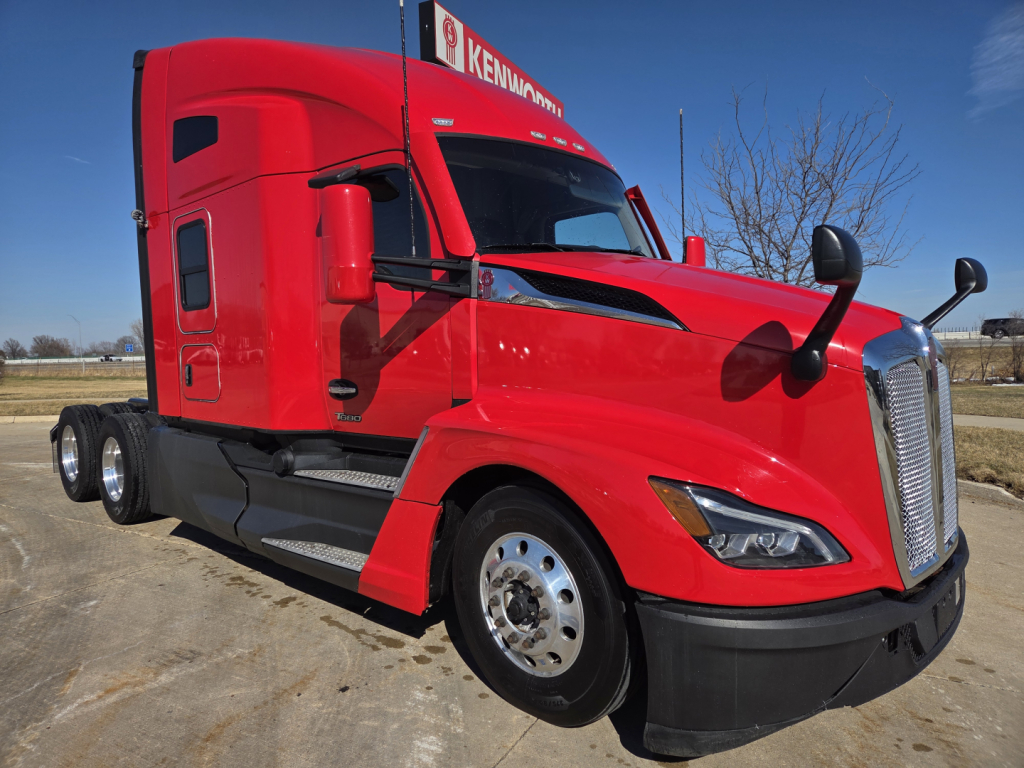
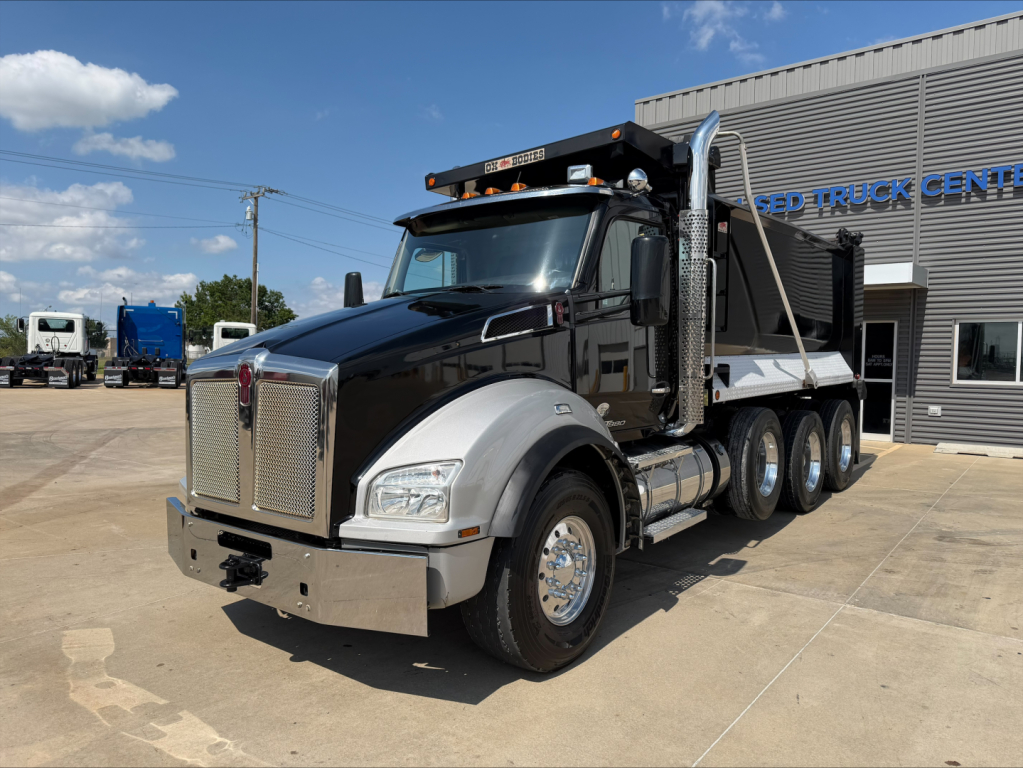
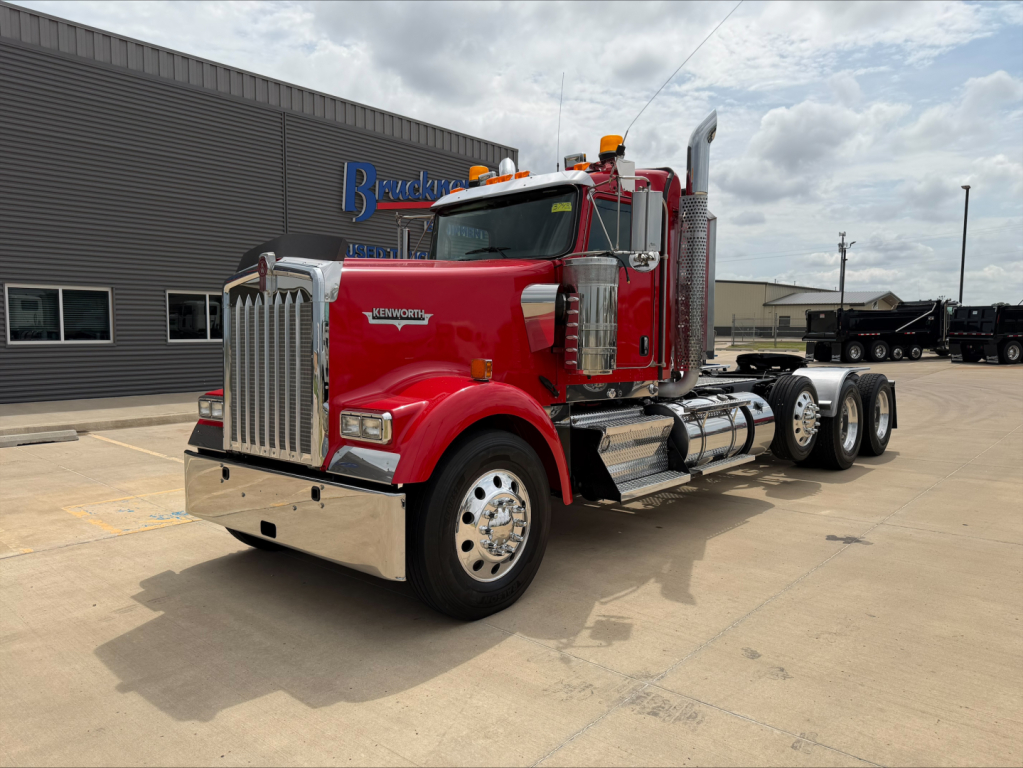

Selling a used kenworth truck? List your used kenworth truck for sale and reach thousands of commercial buyers.
Used Kenworth Trucks in Oklahoma
Powertrain choices are a major part of the decision. Many used Kenworth trucks are equipped with Cummins X15 power in newer highway tractors, while older heavy-spec units may carry Caterpillar or other legacy engine options buyers still seek out. Transmission choice usually comes down to automated manuals for fuel economy and driver availability, or 13-speed and 18-speed manuals for buyers who need more control in heavy haul, off-road, or mixed terrain work. Rear axle ratios, wheelbase, and suspension type deserve close attention because they directly affect how the truck performs. A tall-geared aerodynamic sleeper with a 2.79 or 3.08 ratio is built for efficient highway miles, while a vocational T800 with double frame, high front axle capacity, full lockers, and deeper gears such as 4.10 or 4.30 is aimed at jobsite durability and low-speed pulling power.
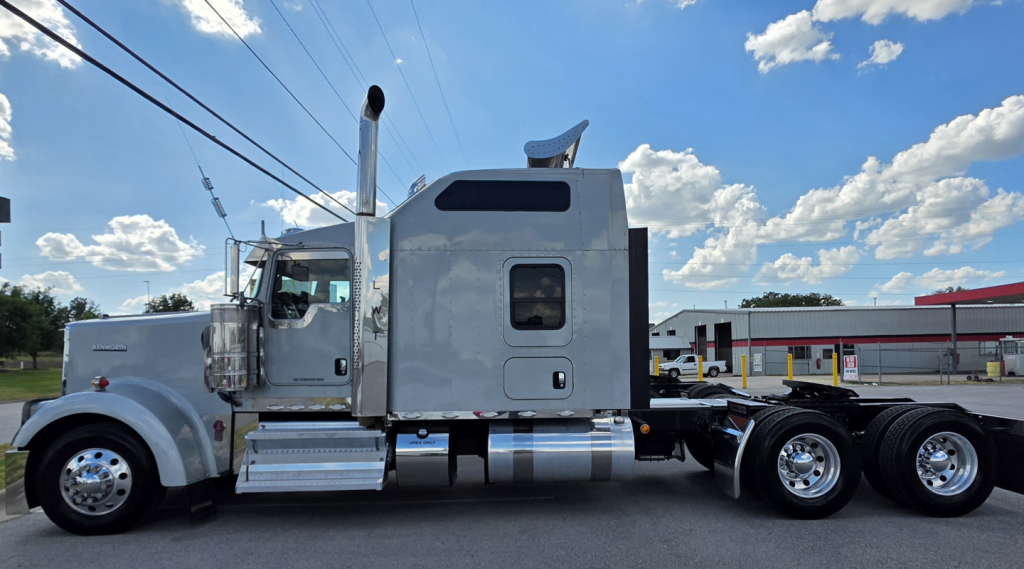
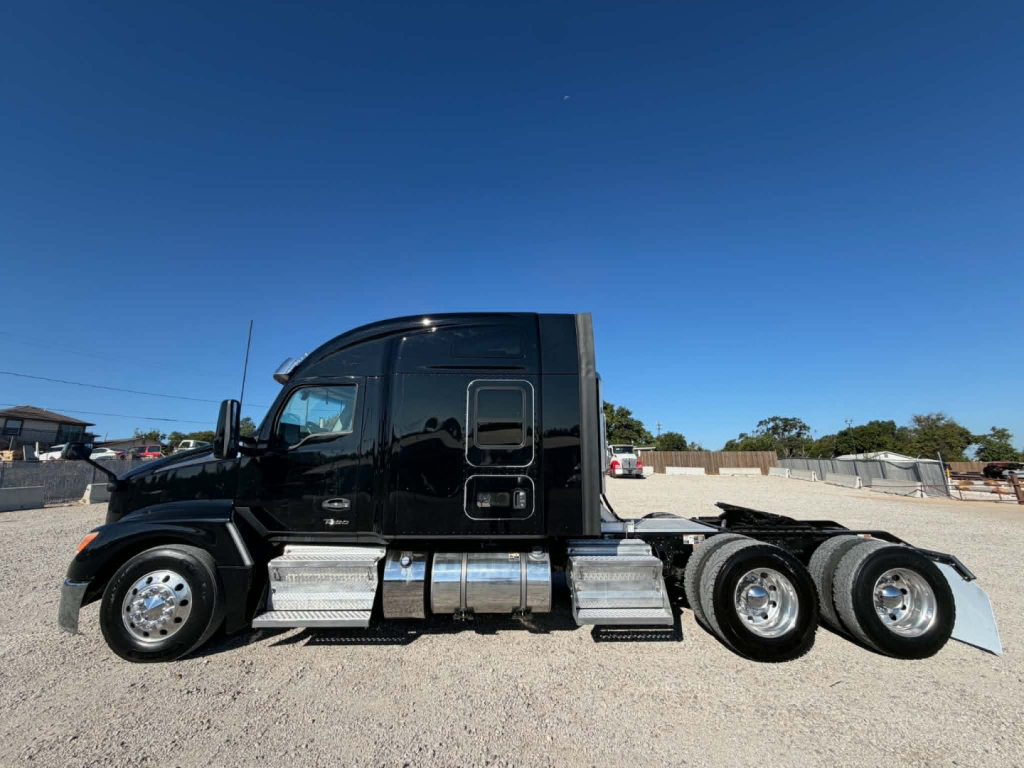
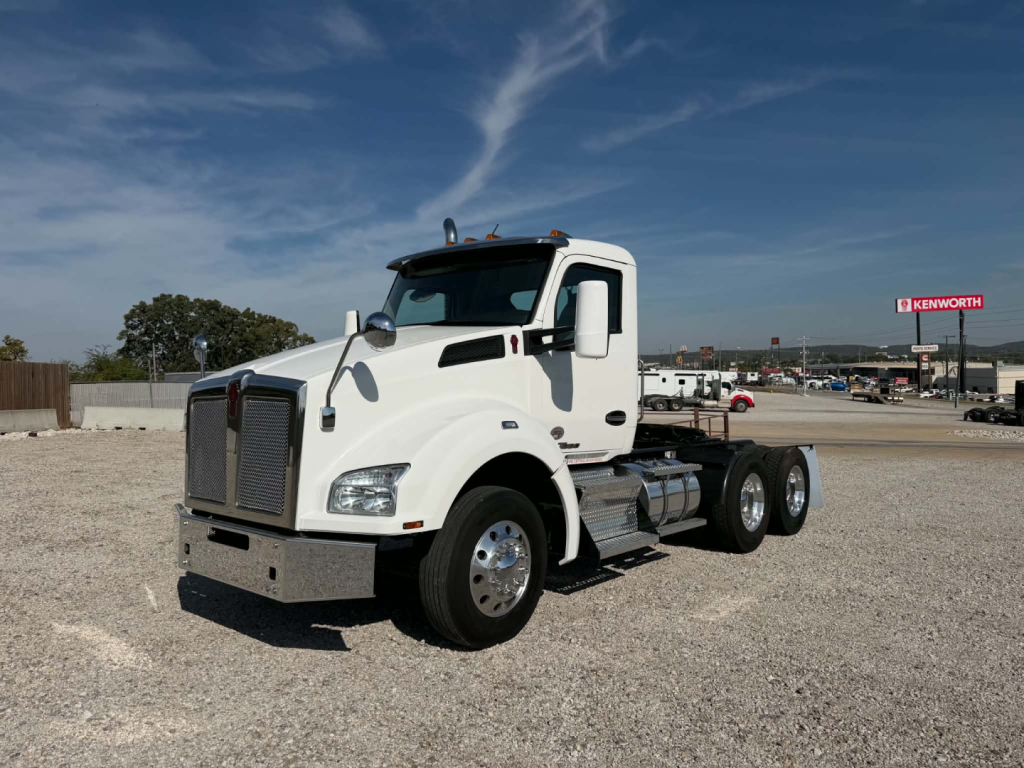
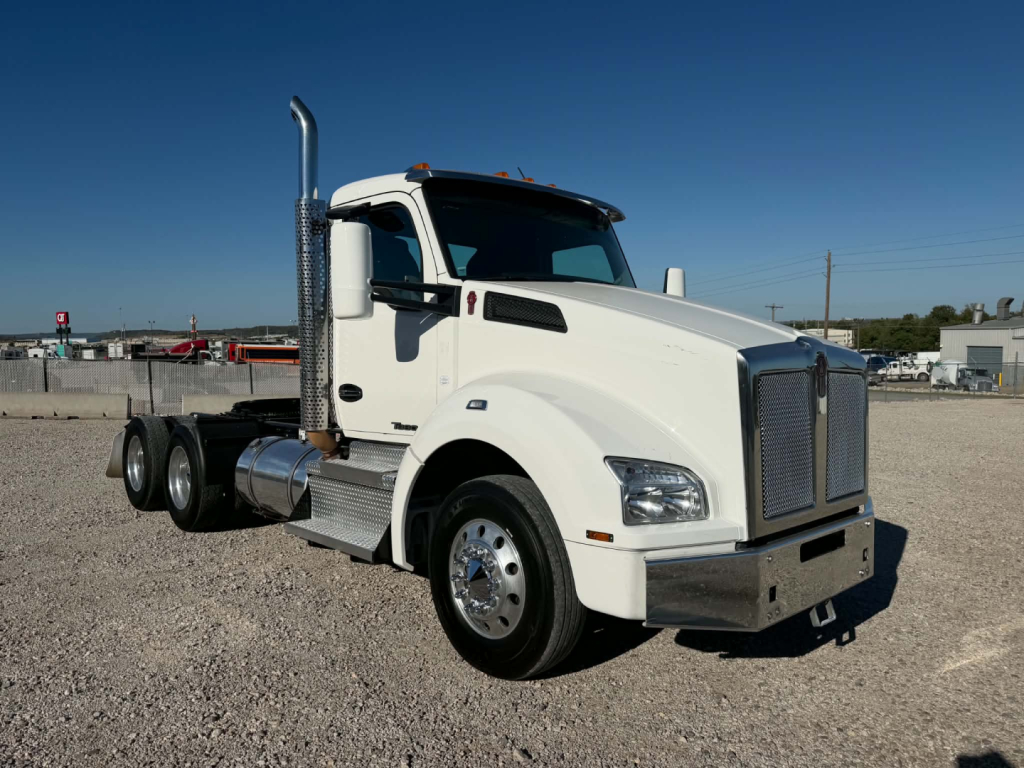
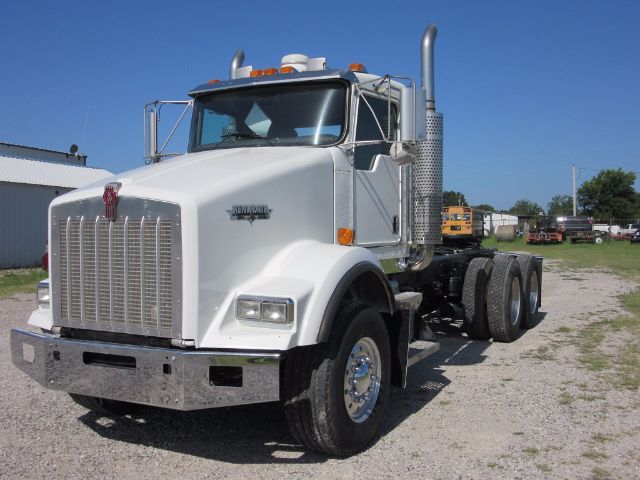
Kenworth remains a strong used-truck brand because the chassis are serviceable, the cabs hold up well, and the model lineup is easy to match to a specific operation. The W900 is known for its long hood, set-back front axle feel, and owner-operator appeal. The T680 focuses on aerodynamics, driver comfort, and lower operating cost for fleets and independent carriers running longer routes. The T800 has long been a preferred platform for severe-service work because it can be spec'd with heavier front axles, rugged suspensions, and vocational frame layouts. Medium-duty models like the T370 are also common in municipal and refuse work, where PTO compatibility, body upfit history, and idle hours can matter as much as odometer miles.
When comparing used Kenworth trucks for sale in Oklahoma, focus on the full operating spec and not just year and mileage. Look at engine hours, maintenance records, emissions system history, tire condition, axle capacities, sleeper configuration, and signs of frame or suspension modifications. On highway units, check for spec items such as fuel capacity, inverter wiring, refrigerator prep, fairings, and collision protection. On vocational trucks, inspect the frame rails, steer axle rating, locking differentials, PTO setup, and evidence of off-road use. A well-matched used Kenworth can deliver long service life, strong resale, and easier parts support, but the right truck is always the one built for the load, the route, and the regulatory demands of your operation.
Frequently Asked Questions about Used Kenworth Trucks in Oklahoma
What are the most common used Kenworth truck models buyers look for in Oklahoma?
The most common used Kenworth models in Oklahoma usually include the W900, T680, T800, T880, and medium-duty trucks such as the T370. The W900 is popular with owner-operators and buyers who prefer a classic long-hood conventional. The T680 is commonly used in regional and over-the-road freight because of its aerodynamic design and fuel economy focus. The T800 and T880 are frequent choices for construction, oilfield, dump, winch, and other vocational applications because they can be spec'd with heavier axles, tougher frames, and severe-duty suspensions.
Is a used Kenworth T680 or W900 better for highway freight?
It depends on the operation. A used Kenworth T680 is generally the better fit for buyers prioritizing fuel economy, newer cab technology, and fleet-friendly highway specs. A used Kenworth W900 is often chosen for appearance, driver preference, and classic owner-operator appeal, and it can still be an excellent road tractor when spec'd correctly. The key is not just model name but engine rating, transmission, rear ratio, wheelbase, and sleeper setup. A properly spec'd T680 usually has the edge in efficiency, while a W900 often appeals more for style, resale loyalty, and traditional driving feel.
What should I inspect first on a used Kenworth vocational truck?
Start with the frame, axle ratings, suspension, and driveline because those items determine whether the truck is truly built for severe service. Check for double frame construction, suspension wear, locking differential operation, front axle capacity, steering component play, and any signs of cracking, repairs, or corrosion around frame rails and crossmembers. On PTO or body-equipped units, verify that the hydraulic or mechanical systems function correctly and match the intended application. Vocational trucks often live harder lives than highway tractors, so service history and evidence of consistent maintenance matter as much as the basic engine and transmission spec.
Are manual or automated transmissions better in a used Kenworth truck?
Neither is universally better. An automated manual transmission is often the right choice for fleets or buyers focused on fuel economy, easier driver recruiting, and more standardized operation. A manual 13-speed or 18-speed remains desirable in heavy haul, oilfield, and off-road work where precise gear selection and low-speed control are important. Buyers should match the transmission to the route, gross weight, terrain, and driver base. The transmission is only part of the equation, since clutch condition, rear axle ratio, and engine torque rating all affect how the truck performs in real service.
Why do axle ratio and wheelbase matter on a used Kenworth?
Axle ratio and wheelbase strongly affect fuel economy, maneuverability, ride quality, and job suitability. A faster rear ratio such as 2.79 or 3.08 is common in highway tractors designed to keep engine rpm lower at cruising speed. A deeper ratio such as 4.10 or 4.30 is more typical in heavy vocational work where starting power and slow-speed pulling matter more than interstate efficiency. Wheelbase also changes how the truck fits the job. A longer wheelbase can improve ride and accommodate larger sleepers or tanks, while a shorter wheelbase can be easier to turn on jobsites, in city routes, or around tight loading areas.