
Used 2023 Kenworth Trucks For Sale in North Carolina
Shop used 2023 Kenworth trucks in North Carolina, including T680 and vocational models with modern specs, aero packages, and fleet-ready options.
Learn more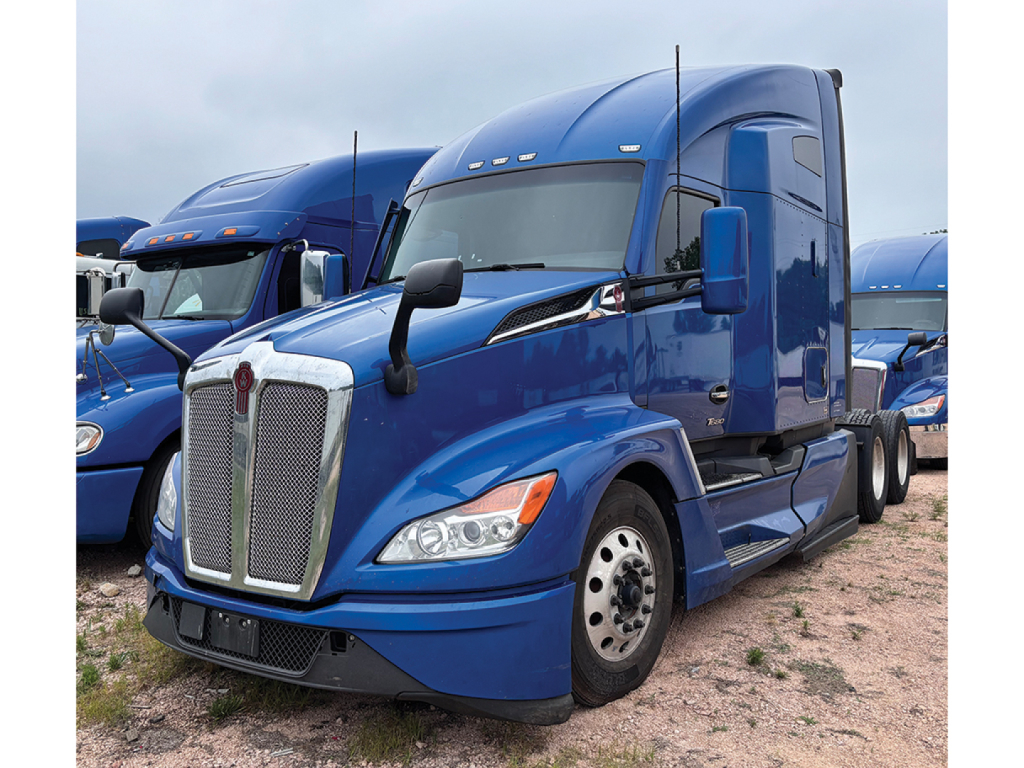
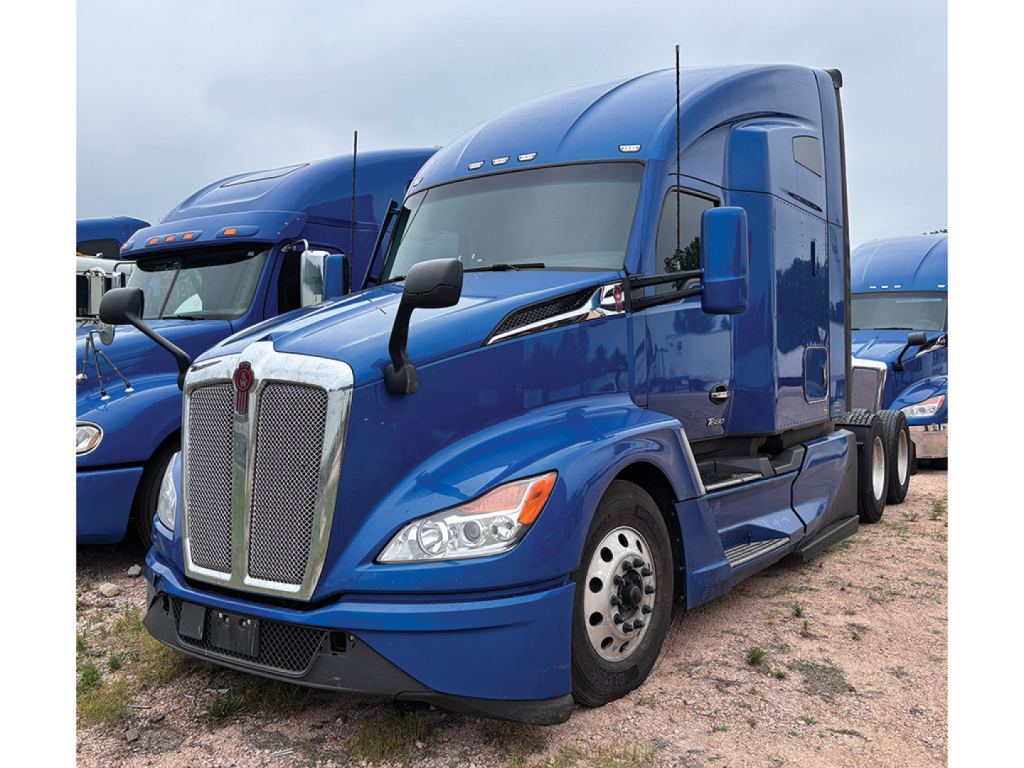
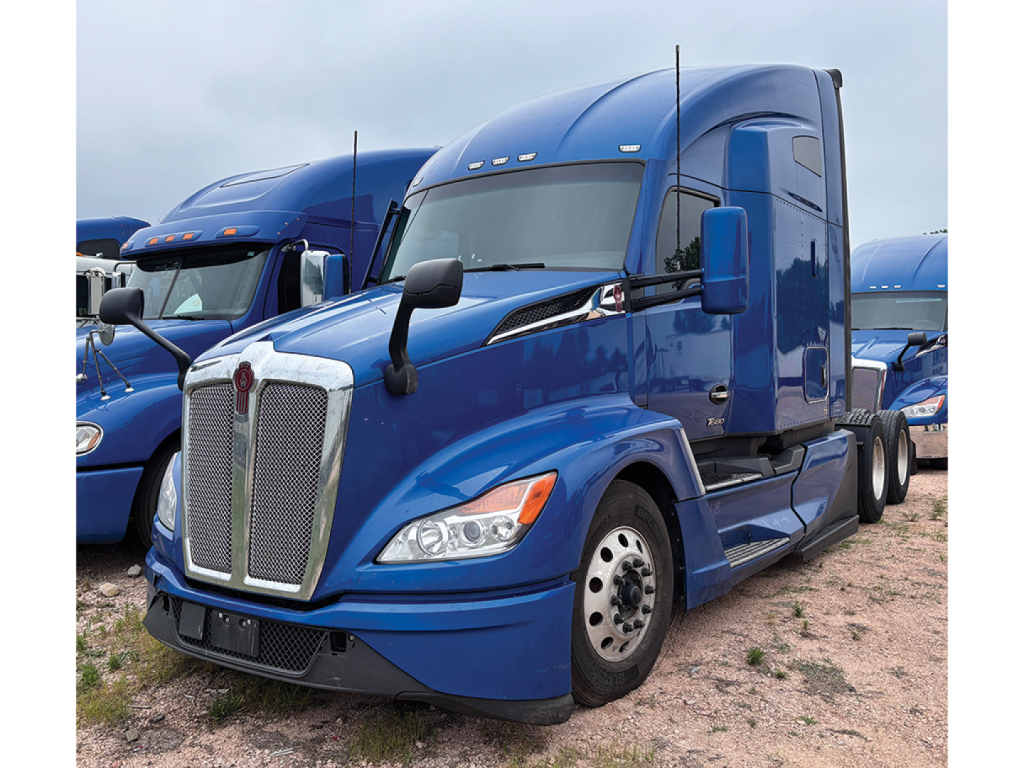
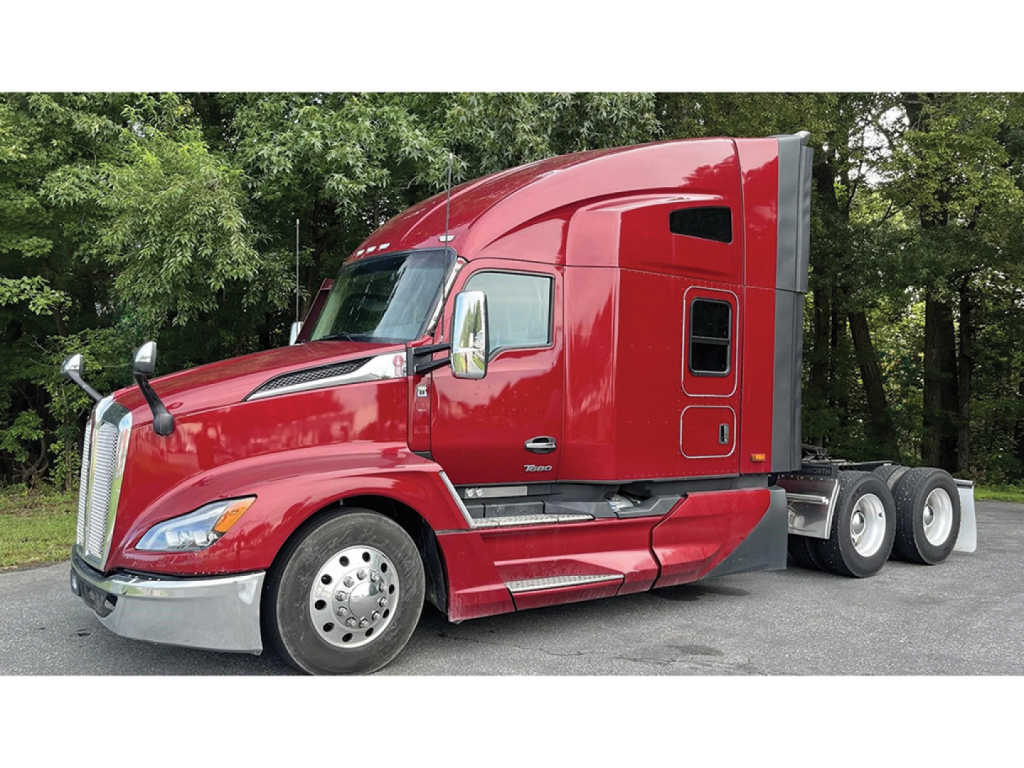
Have used 2023 kenworth truck to sell? List it here to reach thousands of buyers.
About Used 2023 Kenworth Trucks in North Carolina
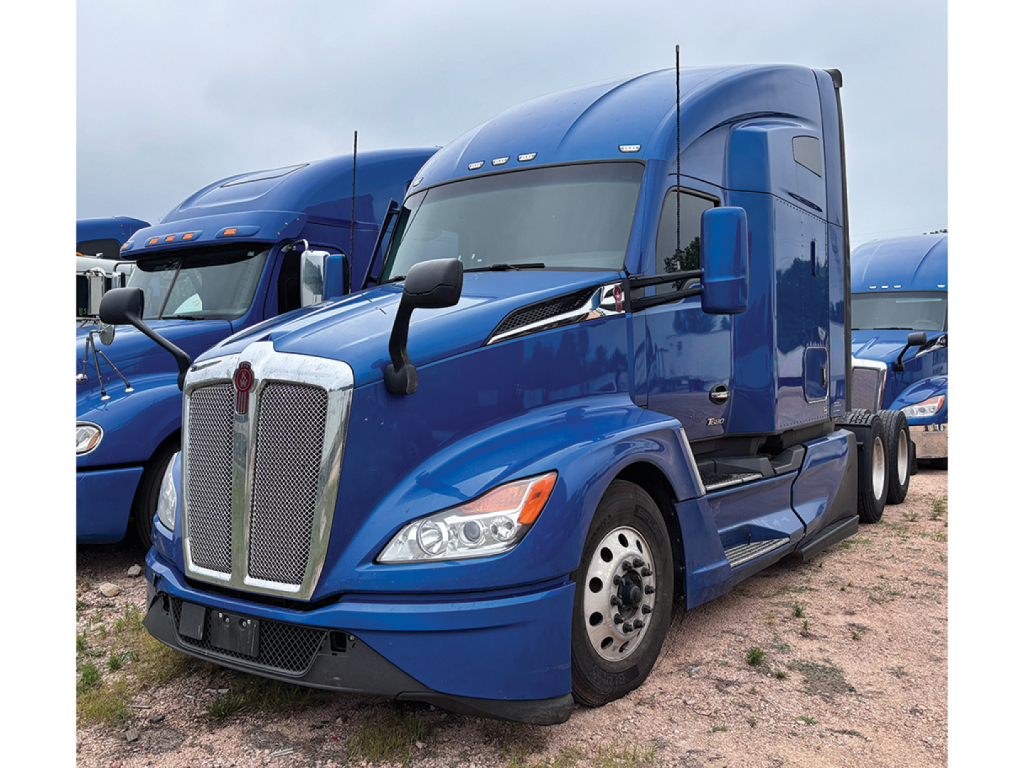
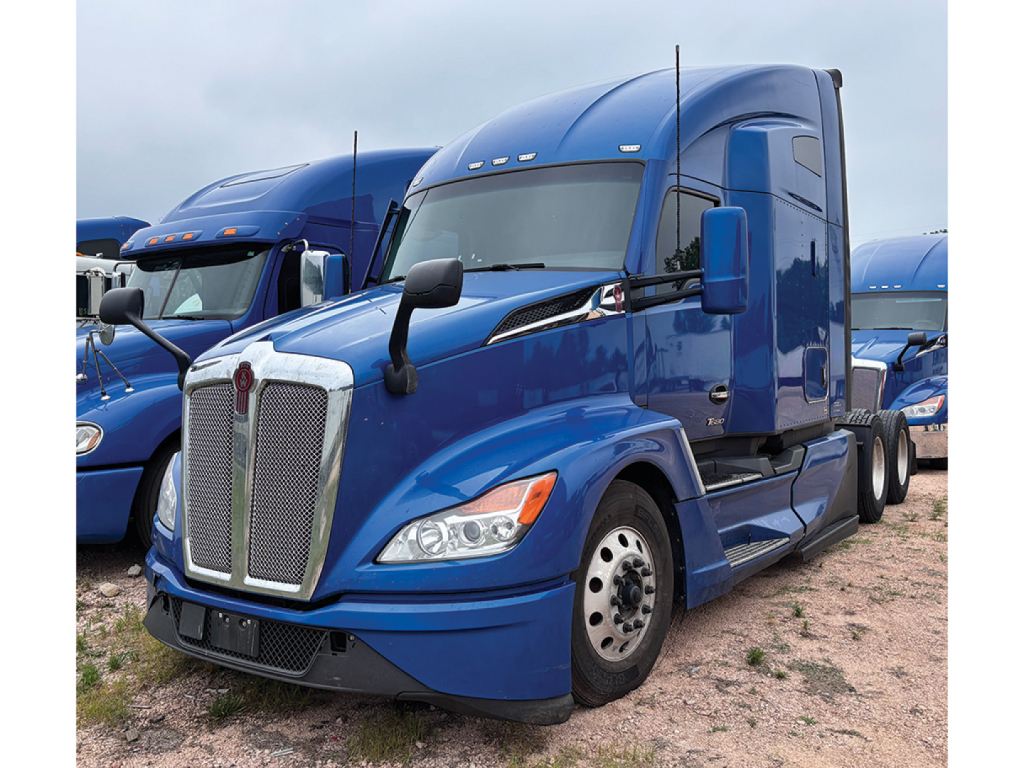
For a buyer comparing multiple 2023 Kenworth trucks, the important differences are usually sleeper size, engine spec, wheelbase, and drivetrain setup. A 76-inch high-roof sleeper with upper bunk, bunk heater, and APU is a very different ownership proposition than a day cab or straight truck, even when the cab platform is similar. Many late-model Kenworths also include aerodynamic packages such as side fairings, cab extenders, quarter fenders, and horizontal exhaust, all of which matter for highway efficiency and service access. Digital dash layouts, climate control systems, air slide fifth wheels, and low-profile 22.5 tires are also common in this year range and can affect both driver acceptance and operating cost.
North Carolina buyers often look at these trucks through the lens of freight lane mix, terrain, and emissions service support. A 2023 Kenworth spec'd for long interstate runs across the Southeast may favor a downsped drivetrain, automated transmission, and lighter aero configuration, while a more regional operation may prioritize maneuverability, a shorter wheelbase, or a vocational body. Kenworth's dealer network and parts support are a major reason these trucks stay in demand, especially for fleets trying to standardize maintenance. On used units, it is smart to verify engine hours, idle time, warranty carryover if any, maintenance records, aftertreatment history, tire wear pattern, brake life, and signs of damage around fairings, sleeper trim, and fifth wheel rails.
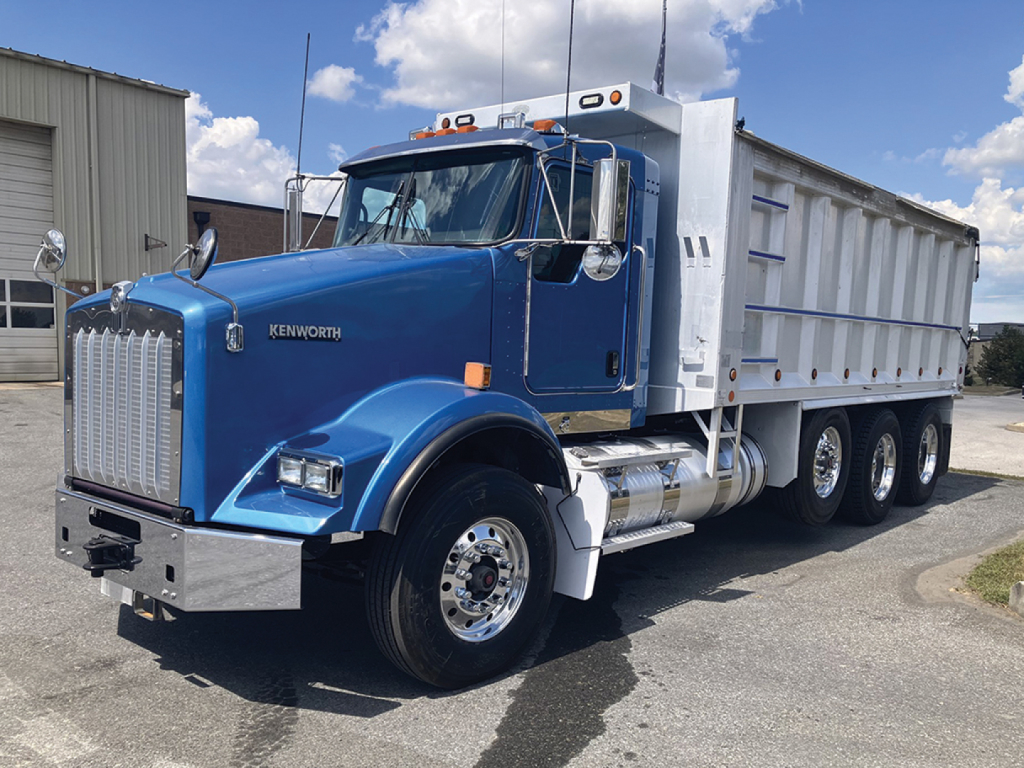
Kenworth trucks are also known for a driver-focused cab, solid resale appeal, and broad application range across sleeper tractors, day cabs, and medium-duty straight trucks. If the truck is a T680 Next Gen, buyers should pay close attention to software updates, collision mitigation calibration, camera and dash electronics function, and the condition of interior controls and sleeper components. If the truck is configured for van, reefer, or general freight service, axle ratio, fuel capacity, and suspension spec will usually matter more than cosmetic differences. The best used 2023 Kenworth truck is the one whose drivetrain, cab configuration, and wheelbase match the freight it will actually haul.
Frequently Asked Questions
What is the most common used 2023 Kenworth truck configuration for highway freight?
The most common used 2023 Kenworth highway configuration is the T680 Next Gen conventional sleeper tractor. Many are equipped with a 76-inch high-roof sleeper, automated transmission, air ride suspension, and either a PACCAR MX-13 or Cummins X15 in the 450-horsepower range. These specs are aimed at fuel-efficient over-the-road or regional linehaul service, often with 40,000-pound tandem rears and faster axle ratios for downsped cruising.
What should I check first on a used 2023 Kenworth T680?
Start with the powertrain and electronics. Review engine hours, idle hours, fault codes, aftertreatment service history, and any records for software campaigns or warranty repairs. Then inspect the transmission calibration, collision mitigation and dash functions, APU or bunk heater operation if equipped, and wear points such as fairings, tires, brakes, and fifth wheel components. A late-model truck can look clean and still need expensive emissions or electronic repairs if maintenance has been inconsistent.
Are 2023 Kenworth trucks good for fleet use in North Carolina?
Yes, they are a strong fit for many North Carolina fleets because they combine modern emissions systems, driver-friendly interiors, and broad dealer support across the Southeast. That matters for carriers running I-40, I-85, port freight, regional distribution, or long-haul lanes. The right spec depends on the work. Long-haul fleets often prefer sleeper tractors with aerodynamic packages and larger fuel capacity, while local and regional operations may prefer day cabs or medium-duty Kenworth platforms with body upfits.
Which engine is better in a used 2023 Kenworth, the PACCAR MX-13 or Cummins X15?
Both are proven choices, but the better option depends on your maintenance preference and operating profile. The PACCAR MX-13 is common in fleet-oriented T680 specs and is often chosen for integration with Kenworth's drivetrain package and fuel economy focus. The Cummins X15 remains popular for broad service familiarity, strong parts support, and buyer confidence in the secondary market. The right decision usually comes down to shop experience, warranty considerations, and the truck's complete maintenance history rather than engine badge alone.
Do axle ratio and wheelbase matter much on a used 2023 Kenworth truck?
They matter a great deal because they directly affect fuel economy, drivability, and trailer compatibility. A faster ratio such as 2.79 or 2.85 is typically used for highway speeds and lower engine rpm, while the wheelbase influences ride, turning radius, and how the truck handles different trailer lengths and kingpin settings. Buyers should match those specs to actual routes, payload, and loading dock conditions instead of assuming one late-model configuration fits every application.