
Used 2007 Kenworth Trucks For Sale
Used 2007 Kenworth trucks with proven Cummins and CAT power, durable frames, corrosion resistance, and specs that balance tare weight and payload.
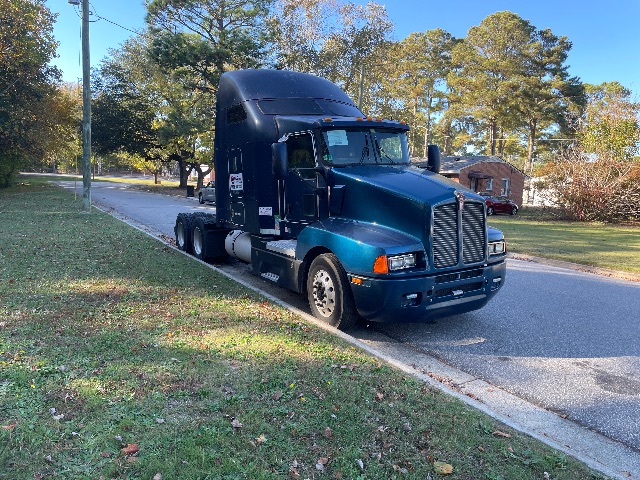
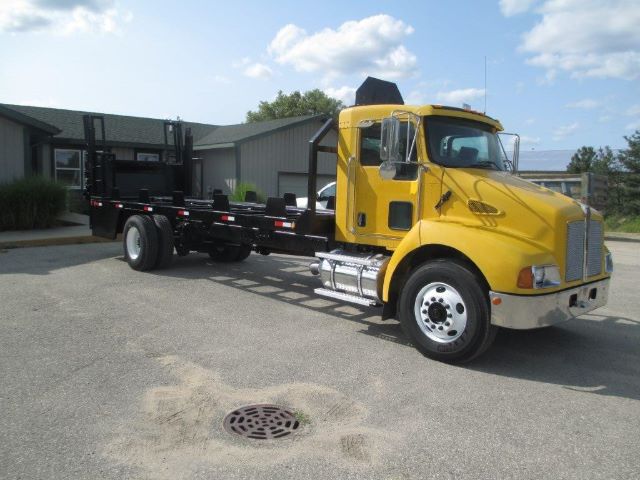
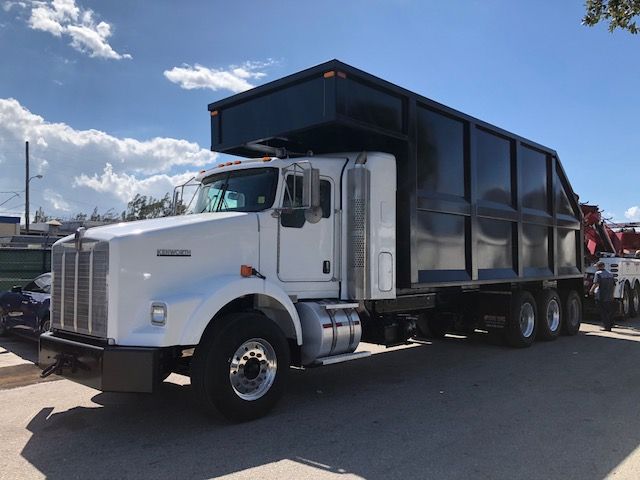

Selling a used 2007 kenworth truck? List your used 2007 kenworth truck for sale and reach thousands of commercial buyers.
Used 2007 Kenworth Trucks
Chassis longevity centers on frame section, crossmember integrity, and corrosion protection. Kenworth frame rails in this era were available in multiple section depths and thicknesses, with double-frame options common on mixers, dumps, and heavy-haul tractors. Inspect rail flanges for cracking at suspension hangers, fifth wheel mounts, and steer axle spring pins; check crossmember fasteners for fretting and elongation. Aluminum cabs and hoods resist rust, but road salt attacks steel components, steps, battery boxes, frame hardware, and under-cab brackets. Look for intact e-coat or epoxy on rails, stainless or composite fairing hardware, and clean drain paths to limit galvanic corrosion between aluminum and steel. For box or vocational bodies, floor strength depends on cross-sill spacing, material thickness, and scuff protection; aluminum or composite scuff liners and well-secured logistics tracks reduce floor damage over time.
Powertrain choices typically include Cummins ISX CM870 and Caterpillar C15 ACERT, paired with Eaton Fuller 10, 13, or 18 speed manuals; torque ratings commonly range from 1,550 to 1,850 lb ft. Highway ratios like 3.36 to 3.55 pair well with low pro 22.5 rubber; 3.70 to 4.10 suits heavier routes or vocational duty. 2007 emissions brought widespread EGR and, depending on build and calibration, early DPF hardware on many engines; maintenance history is critical. Verify DPF cleaning or replacement intervals, check EGR cooler updates, and review oil analysis for fuel dilution from post-injection strategies. Aerodynamic T600 and T660 cabs generally return better fuel economy and lower operating cost; W900 and T800 specs favor cooling, ground clearance, and durability for heavy or off-pavement work.
Cab thermal integrity matters for driver comfort and HVAC load. Inspect sleeper seals, door weatherstrips, and HVAC blend doors for proper heat and A/C performance; well-sealed cabs hold temperature with less compressor runtime and reduce electrical draw on bunk HVAC. Floor structure inside the cab should be tight at seat mounts and shifter towers; any flex indicates fastener or pan issues. For trucks carrying bodies, prioritize floor thickness and cross-sill condition, look for wear at dock-impact points, and confirm rub rail or scuff liner coverage to protect wall-to-floor joints. Balance tare weight against durability by aligning axle ratings, frame spec, and fuel capacity with route needs; shaving 400 to 600 pounds via aluminum components and smart wheelbase selection can add payload without compromising ride or stability when properly engineered.
Frequently Asked Questions about Used 2007 Kenworth Trucks
What engines are common in 2007 Kenworth trucks and what should I check before purchase?
Most 2007 Kenworth highway and vocational trucks are powered by Cummins ISX CM870 or Caterpillar C15 ACERT engines. Confirm recent overhead sets, documented EGR cooler or valve service, and aftertreatment history where applicable. Review DPF cleaning or replacement records, look for active fault codes, check for blow-by at idle, and examine charge air cooler integrity; boost leaks drive up EGT and fuel burn. Oil analysis helps spot fuel dilution and coolant intrusion that can signal EGR or liner issues.
Are 2007 Kenworth trucks DEF free?
Yes, 2007 models predate the widespread adoption of DEF and SCR systems used from 2010 forward. They employ EGR and, in many cases, early DPF systems to meet the 2007 emissions standard. This simplifies fluid logistics but places more emphasis on EGR cooling efficiency, proper regeneration, and timely DPF maintenance to keep exhaust temperatures and backpressure in check.
What tare weight should I expect from a 2007 Kenworth highway tractor?
A typical 6x4 aerodynamic sleeper with 12K steer, 40K rears, aluminum wheels, and moderate fuel capacity often scales in the low 18,000 to mid 19,000 pound range. Heavier long-hood or vocational builds with double frames, 14.6K steers, 46K rears, full fenders, and larger tanks can add 1,000 to 2,000 pounds or more. Actual tare depends on wheelbase, frame section, suspension type, and accessory choices like headache racks or PTOs.
How do I evaluate corrosion and frame condition on a 2007 Kenworth?
Inspect frame rails for rust scale, flange cracking at suspension hangers, and fretting at crossmember bolts. Look closely at battery boxes, step assemblies, fifth wheel mounts, and under-cab brackets where salt accumulates. Aluminum cabs resist rust but check for galvanic corrosion at steel interfaces and for broken paint at rivet lines. Verify that undercoating or e-coat is intact and that drain holes are clear to prevent moisture trapping.
What transmission and axle ratios work best for long haul vs heavy haul in this model year?
For long haul, pair a 13 speed Eaton Fuller with 3.36 to 3.55 ratios and low profile 22.5 tires to keep cruise RPM near the engine’s torque peak for fuel economy. For heavy haul or mixed vocational duty, a 13 or 18 speed with 3.70 to 4.10 ratios provides better startability and gradeability, especially with 46K rears and full locking differentials. Match ratios to engine torque, tire size, and target road speed to avoid lugging or overspeeding.