
New Kenworth Trucks For Sale in New Jersey
Shop new Kenworth trucks for sale in New Jersey, including medium-duty and vocational models built for delivery, towing, utility, and chassis upfits.
Selling a new kenworth truck? List your new kenworth truck for sale and reach thousands of commercial buyers.
New Kenworth Trucks in New Jersey
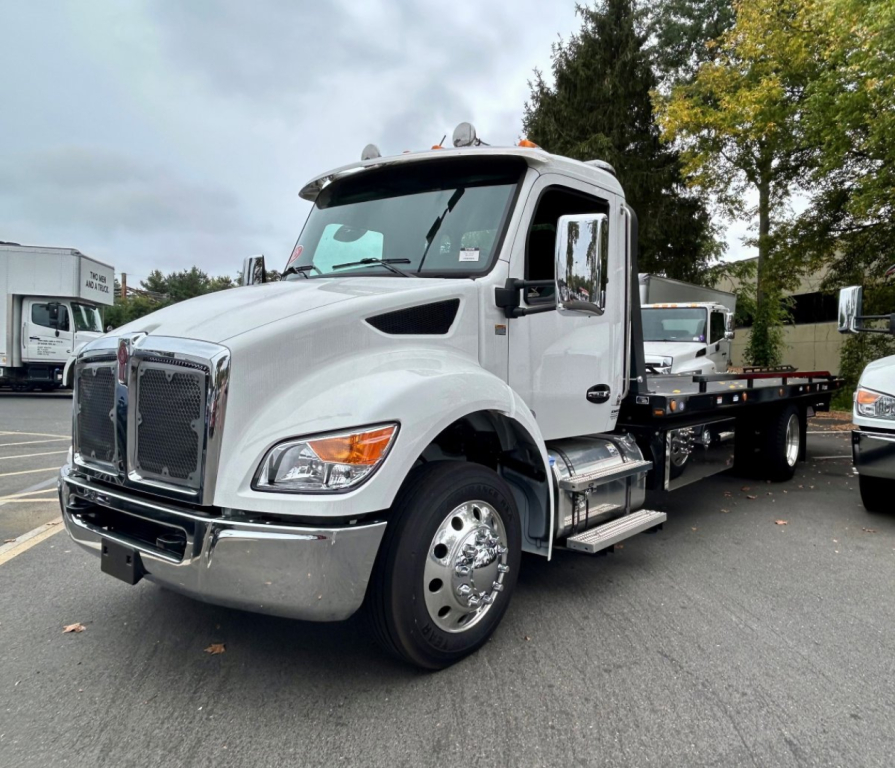
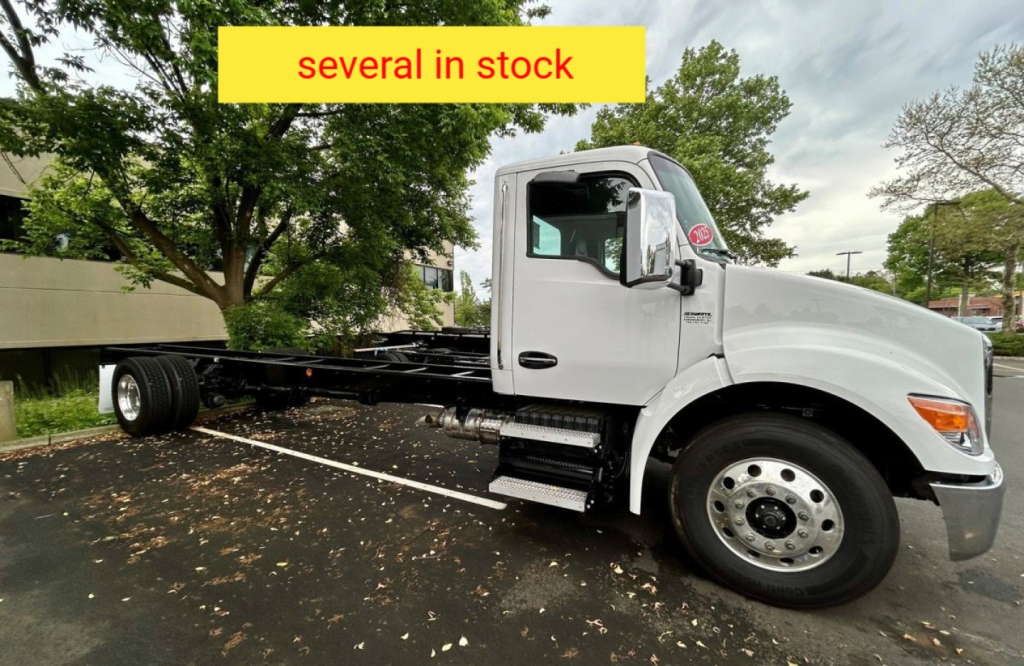
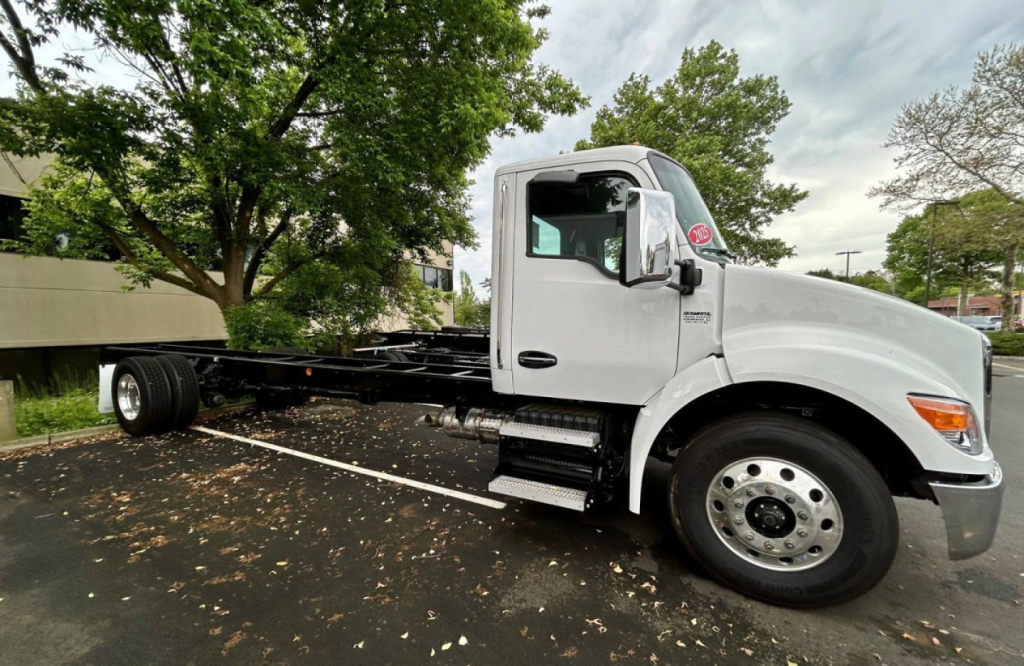
A model like the Kenworth T280 is a common fit for municipal, towing, pickup and delivery, and local service work. Buyers often spec it around a 26,000-pound GVWR to stay at or below CDL thresholds when the application allows, while still getting a durable diesel powertrain and a commercial-grade frame. Engines in this class are commonly paired with automatic transmissions for stop-and-go routes and mixed driver experience levels. If the truck will carry a rollback body, hooklift, reefer box, or liftgate, pay close attention to frame strength, PTO compatibility, rear axle rating, and cab-to-axle measurement. Those details affect not only the upfit but also how well the truck performs once fully equipped and loaded.
New Kenworth trucks are also popular because they can be ordered with the exact vocational spec instead of forcing a compromise after the fact. Front axle rating, suspension type, brake package, fuel tank placement, wheel cut, and electrical provisions all matter when the truck is being built for a dedicated job. In tighter Northeast operating environments, buyers should think carefully about body overhang, bridge-law implications, and overall length for urban access. Interior layout matters too. Driver visibility, switch placement, easy entry and exit, and a straightforward dash can improve uptime when the truck is used by multiple operators across a fleet.
The smartest way to compare new Kenworth trucks is to look beyond model name and focus on intended use. A delivery route truck, a tow truck, and a hooklift chassis may start from a similar platform but require very different axle ratings, frame layouts, and hydraulic provisions. Check the final-stage upfit compatibility, expected payload, and service access before making a decision. A well-spec'd new Kenworth should match the route, the body, and the operator just as closely as it matches the budget.
Frequently Asked Questions about New Kenworth Trucks in New Jersey
What should I look at first when buying a new Kenworth truck?
Start with the truck’s intended job and match the chassis to that application. GVWR, wheelbase, cab-to-axle measurement, axle ratings, and frame configuration should be reviewed before cosmetic or convenience options. Those core specs determine what body can be installed, how the truck carries weight, and how it will handle in local or regional service.
Is the Kenworth T280 a good choice for non-CDL applications?
It can be, depending on how it is spec'd and registered. Many T280 trucks are built at 26,000 pounds GVWR, which is a common target for non-CDL operation in certain applications. Buyers still need to confirm state rules, body weight, payload requirements, and any business-specific licensing or endorsement requirements before assuming a truck will fit a non-CDL fleet.
Why does wheelbase and cab-to-axle matter so much on a new vocational truck?
Wheelbase and cab-to-axle dimensions control body fit, axle placement, turning radius, and weight distribution. A rollback, box, reefer, hooklift, or utility body needs the correct chassis dimensions to mount properly and perform safely. If those measurements are wrong, the truck may have poor balance, limited payload, or expensive upfit changes.
Are new Kenworth trucks commonly used for upfits like rollback, reefer, and hooklift bodies?
Yes. Kenworth cab and chassis trucks are frequently spec'd for vocational upfits because they offer flexible frame layouts, PTO options, and ratings that suit a wide range of bodies. Buyers should still verify final-stage manufacturer requirements, hydraulic and electrical needs, and the completed vehicle weight after the body and equipment are installed.
What matters most for a new Kenworth truck operating in New Jersey?
Maneuverability, visibility, emissions compliance, and body spec are usually high priorities in New Jersey. Many routes involve urban traffic, tight lots, short-radius turns, and frequent stops, so wheel cut, cab visibility, automatic transmission choice, and overall truck length can make a major difference. Local registration rules, bridge and road restrictions, and service support should also be part of the buying decision.