
2012 Kenworth Trucks For Sale
Browse 2012 Kenworth trucks for sale, including sleeper and day cab models with common specs, engine options, wheelbases, and application insights.
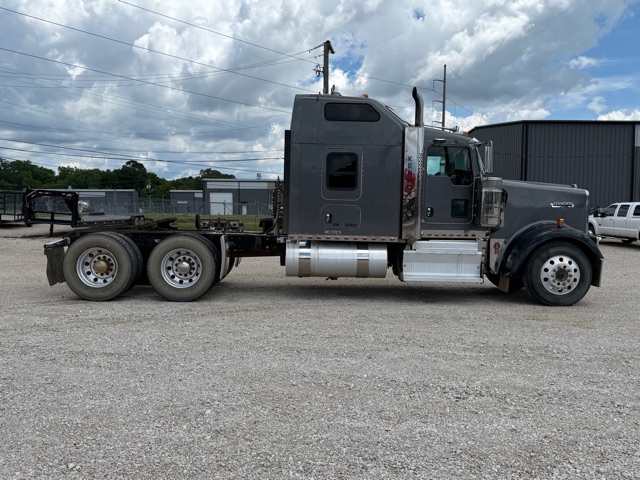
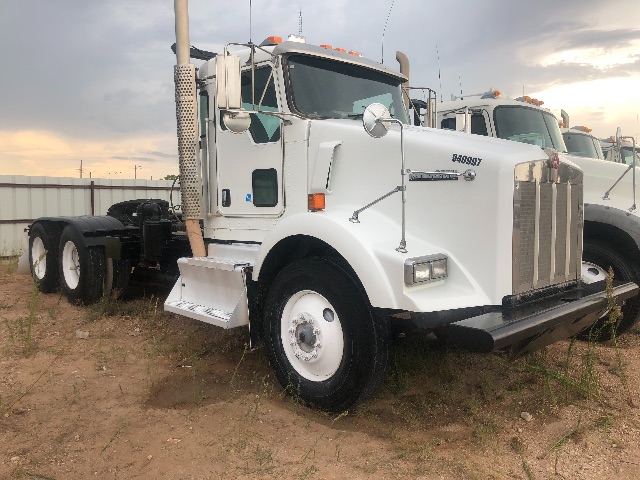

Selling a 2012 kenworth truck? List your 2012 kenworth truck for sale and reach thousands of commercial buyers.
2012 Kenworth Trucks
Engine and drivetrain specs matter more than badge loyalty on a used 2012 truck. Many 2012 Kenworth trucks were spec'd with Cummins ISX engines, PACCAR MX engines, and in some cases heavy vocational powertrains paired with Eaton Fuller manual or automated transmissions. Horsepower commonly falls in the 400 to 500 HP range for linehaul tractors, while rear axle ratios can vary widely depending on intended speed and load. A highway sleeper with a tall overdrive transmission and 2.64 to 3.36 ratio is a different animal than a vocational truck with deeper gears, heavier suspensions, and higher GCWR targets. Buyers should also compare tandem ratings, suspension type, engine brake performance, and whether the truck carries a day cab, mid-roof sleeper, or high-roof sleeper.
Cab condition and chassis spec tell you a lot about how a 2012 Kenworth was used. Look closely at wheelbase, frame modifications, fifth wheel wear, steering components, and suspension bushings. On sleeper models, check sleeper HVAC, bunk layout, fairings, and door seals. On day cabs, focus more on maneuverability, PTO compatibility, set-back or set-forward front axle configuration, and visibility for local work. Kenworth trucks from this era are often valued for driver comfort, serviceability, and a solid cab structure, but age means emissions history is important. A buyer should verify DPF, SCR, EGR, and aftertreatment maintenance records, because downtime on a 2012 emissions-equipped diesel can quickly outweigh a lower purchase price.
For many fleets and owner-operators, a 2012 Kenworth sits in the sweet spot between proven mechanical familiarity and modern highway comfort. The best value usually comes from matching the truck's original spec to the job it will do now, not just choosing the lowest-priced unit. A sleeper tractor built for long interstate runs should have the gearing, fuel capacity, and cab amenities to support that use. A vocational or local day cab should have the axle capacity, PTO provisions, and turning radius the work demands. When those details line up, a 2012 Kenworth truck can still be a productive asset in regional, long-haul, or vocational service.
Frequently Asked Questions about 2012 Kenworth Trucks
What are the most common 2012 Kenworth truck models buyers look for?
The most common 2012 Kenworth trucks on the used market include the T660 for highway use, the W900 for long-hood conventional applications, and the T800 for vocational and mixed-service work. Each model serves a different purpose. The T660 is typically more aerodynamic and often found in sleeper configurations, while the W900 appeals to buyers who want a traditional long-wheelbase truck with strong owner-operator appeal. The T800 is usually chosen for heavier-duty applications such as dump, tanker, equipment hauling, and construction support.
Which engines are commonly found in 2012 Kenworth trucks?
Many 2012 Kenworth trucks were equipped with Cummins ISX or PACCAR MX series diesel engines, depending on the original spec and application. Highway tractors often carry ratings in the 400 to 500 horsepower range, while vocational units may be spec'd for torque and durability rather than road speed. The right engine depends on intended use, but service history is just as important as the engine model. Buyers should review maintenance records, overhead history, injector or fuel system work, and all aftertreatment repairs before making a decision.
Are 2012 Kenworth trucks good for owner-operators?
A 2012 Kenworth can be a strong owner-operator truck if the spec matches the route, freight, and maintenance budget. Kenworth has a long-standing reputation for driver comfort, solid build quality, and broad parts support, which helps reduce downtime and simplify repairs. The key is to avoid buying strictly on appearance or model name. An owner-operator should look at wheelbase, gearing, sleeper size, fuel capacity, tire size, and recent emissions-system repairs to make sure the truck can earn consistently without creating avoidable shop costs.
What should buyers inspect first on a used 2012 Kenworth truck?
Start with emissions-system history, engine condition, transmission performance, and chassis integrity. On a 2012 truck, DPF and SCR service records are especially important because aftertreatment failures can be expensive. After that, inspect the frame rails, crossmembers, suspension, steering play, brake condition, and signs of uneven tire wear. If the truck is a sleeper, check the bunk HVAC, electrical accessories, and water intrusion points. If it is a day cab or vocational truck, confirm PTO setup, hydraulic readiness, and axle ratings.
What is the difference between a 2012 Kenworth sleeper and day cab?
A 2012 Kenworth sleeper is built for over-the-road or multi-day runs and usually includes a bunk, added storage, larger fuel capacity, and a longer wheelbase. A day cab is designed for local or regional work where overnight accommodations are not needed. Day cabs are generally lighter, more maneuverable, and better suited to port, drayage, short-haul, and vocational jobs. The right choice depends on route length, payload needs, turning requirements, and how much time the driver spends away from home.