
2003 Kenworth Trucks For Sale
Shop 2003 Kenworth trucks including highway and vocational models. Compare engines, sleepers, wheelbases, axle ratings, and spec considerations.
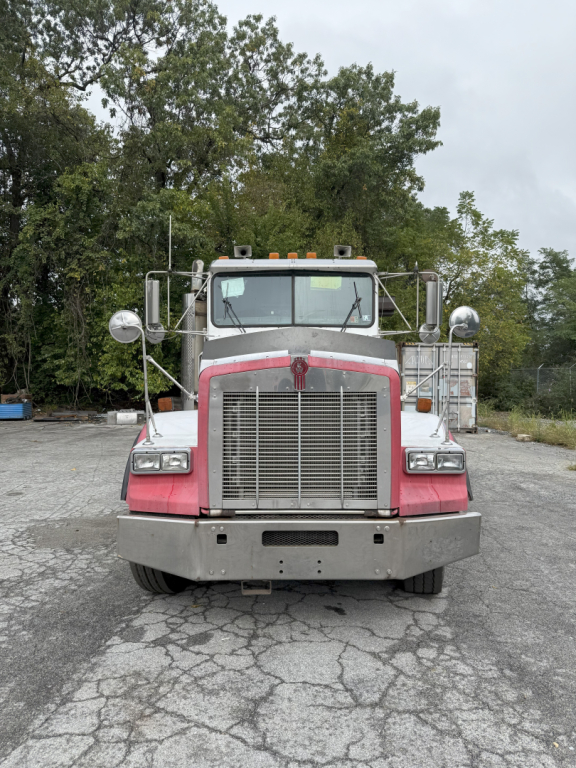
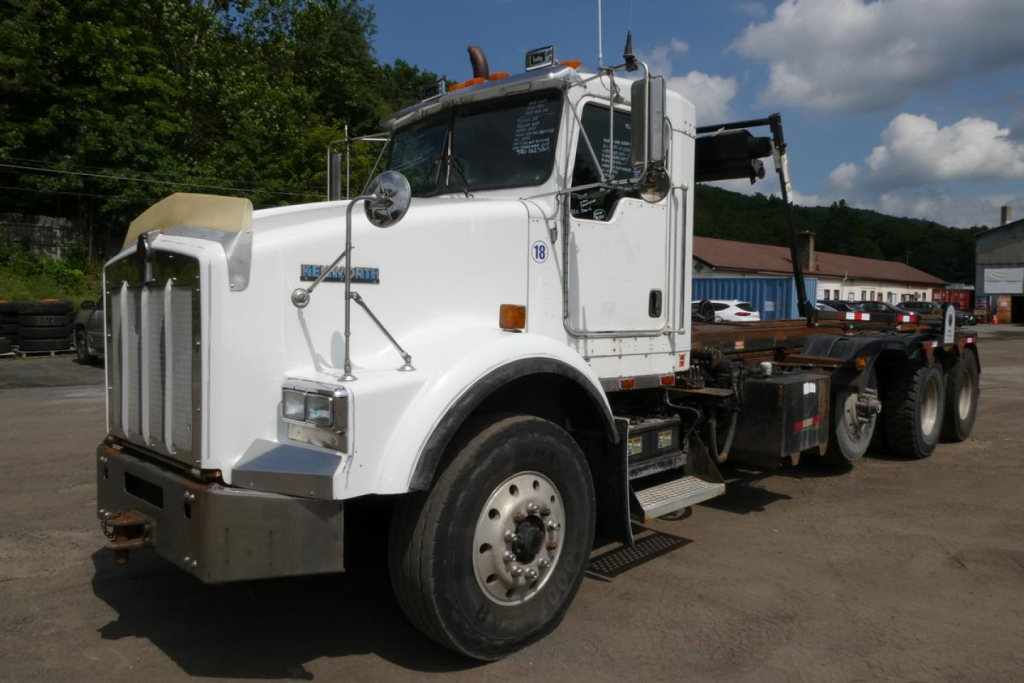
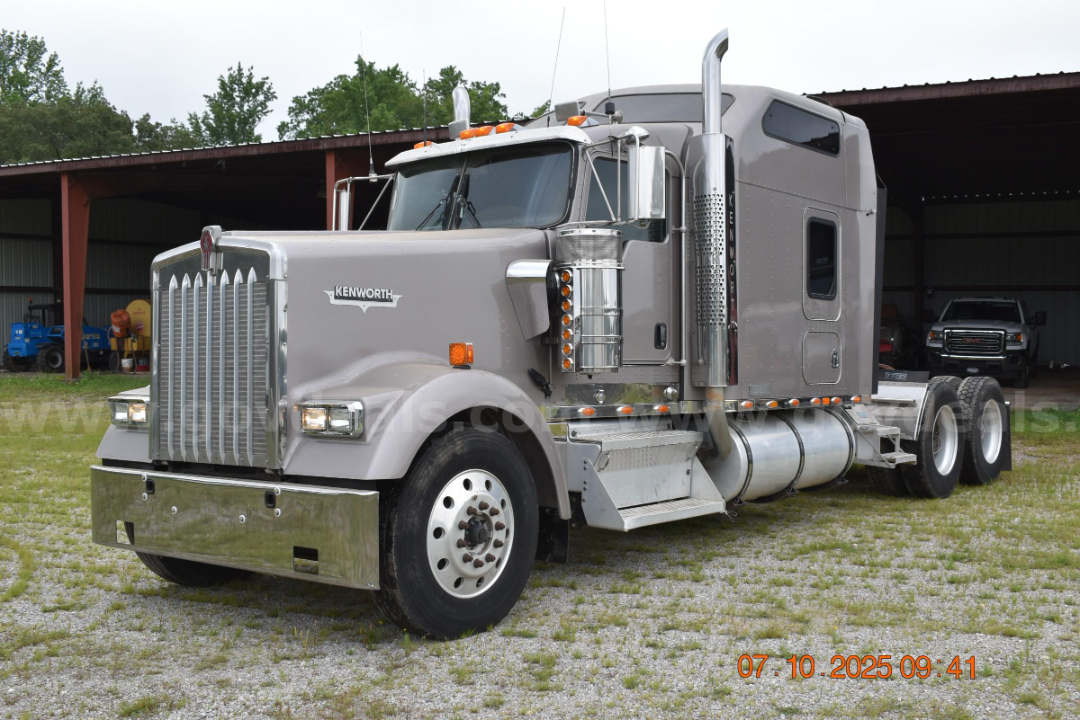
Have 2003 kenworth truck to sell? List it here to reach thousands of buyers.
2003 Kenworth Trucks
On 2003 Kenworth trucks, engine and emissions spec deserve close attention. Many were built with Caterpillar, Cummins, or Detroit power, with popular choices including the CAT C12 and C15, Cummins ISM, N14, or ISX, and Detroit Series 60 depending on model and original buyer preference. Horsepower ratings often land anywhere from the low 300s in vocational or regional applications up into the 475 to 550 hp range for linehaul and heavy-spec work. Transmission choices are usually Eaton Fuller 10-speed, 13-speed, 18-speed, or automated options in some highway trucks. Rear axle ratings, suspension type, and gear ratio tell you more about real-world performance than advertised horsepower alone. A buyer looking at a W900 or T800 for heavy haul should pay close attention to double frame construction, locking differentials, set-back versus set-forward front axle, and front axle capacity.
Cab condition and chassis spec can vary widely on a truck of this age, so structural and mechanical inspection matters. Look closely at frame rail condition, suspension wear, steering components, brake system updates, and signs of fifth wheel or body-mount stress. On sleeper trucks, check bunk condition, HVAC performance, electrical accessories, and how the interior has held up around the dash, seats, and cabinet mounts. On vocational units, PTO setup, hydraulic plumbing, pintle or tow package equipment, and body integration are often more important than cosmetic appearance. Kenworth trucks from this era are generally valued for driver comfort, long-term rebuildability, and parts support, but maintenance history is what separates a solid older truck from an expensive project.
For many buyers, a 2003 Kenworth is attractive because it can offer a simpler platform than later trucks while still providing a premium cab, strong resale recognition, and broad application flexibility. A T600 or T2000 may fit fuel-conscious highway use, while a T800 is a common choice for construction, oilfield, and severe-duty work. A W900 remains popular for owner-operators who want a traditional conventional with room for custom spec and rebuild potential. The right truck in this category comes down to axle configuration, engine pedigree, wheelbase, suspension, and documented upkeep, not just model name or odometer reading.
Frequently Asked Questions about 2003 Kenworth Trucks
What are the most common 2003 Kenworth truck models buyers look for?
The most common 2003 Kenworth trucks on the used market are the T600, T800, W900, and T2000. The T600 and T2000 are typically associated with highway freight and more aerodynamic spec choices, while the W900 is a traditional conventional often favored by owner-operators. The T800 is one of the most versatile models in this year range because it was widely spec'd for both linehaul and vocational work such as dump, heavy haul, winch, and mixer applications.
What engines are typically found in a 2003 Kenworth truck?
A 2003 Kenworth truck commonly has a Caterpillar, Cummins, or Detroit diesel engine depending on the original order spec. Popular engines include the CAT C12 and C15, Cummins ISM, N14, and ISX, plus the Detroit Series 60 in some highway tractors. The best engine choice depends on the application, local service support, rebuild cost, and maintenance records. Buyers should verify the exact engine serial number, horsepower rating, emissions configuration, and any overhaul history before purchase.
Is a 2003 Kenworth a good choice for vocational work?
A 2003 Kenworth can be an excellent vocational truck if the chassis was built for the job. The T800 in particular is well known for severe-duty applications because it was commonly spec'd with heavy front axles, double frames, locking rears, and PTO capability. Buyers should confirm axle ratings, suspension type, frame reinforcement, hydraulic setup, and wheelbase to make sure the truck matches the intended body or trailer. A highway tractor converted into vocational service is not the same as a factory heavy-spec vocational truck.
What should buyers inspect first on a 2003 Kenworth truck?
The first priorities are maintenance history, engine condition, transmission operation, frame integrity, and suspension wear. After that, inspect steering play, brake condition, driveline components, electrical function, and evidence of corrosion or prior structural repair. On sleeper trucks, interior condition and HVAC performance also matter because repairs can add up quickly. A thorough pre-purchase inspection with ECM review, fluid analysis, and attention to axle and frame specs is especially important on an older truck.
Are 2003 Kenworth trucks easier to work on than newer trucks?
Many buyers consider a 2003 Kenworth easier to diagnose and maintain than newer emissions-era trucks because the systems are generally less complex. That can mean fewer aftertreatment components and a more straightforward mechanical layout depending on the engine and original spec. Even so, age brings its own maintenance demands, including wiring issues, air system leaks, worn bushings, and engine or driveline rebuild needs. Ease of service should be weighed against the actual condition of the truck and the availability of parts and qualified support in your area.