
Commercial Trucks For Sale Near Kansas City, Kansas
Heavy duty trucks in Kansas City, Kansas, with guidance on floor strength, thermal integrity, tare weight, plus corrosion resistance to spec smarter.

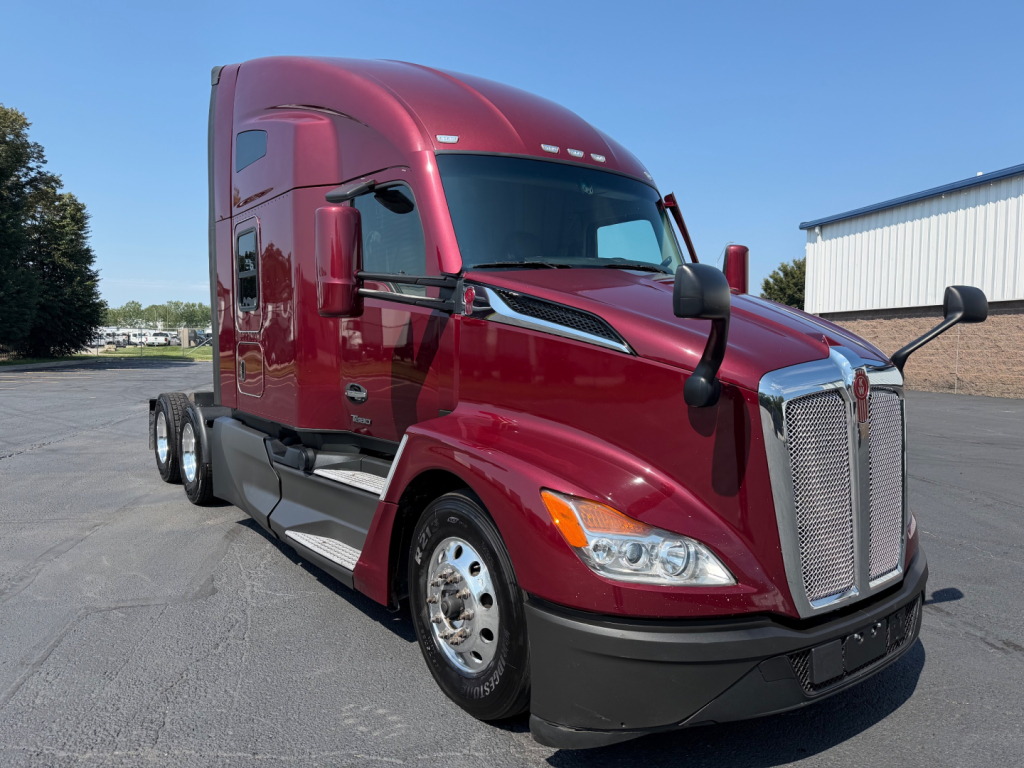
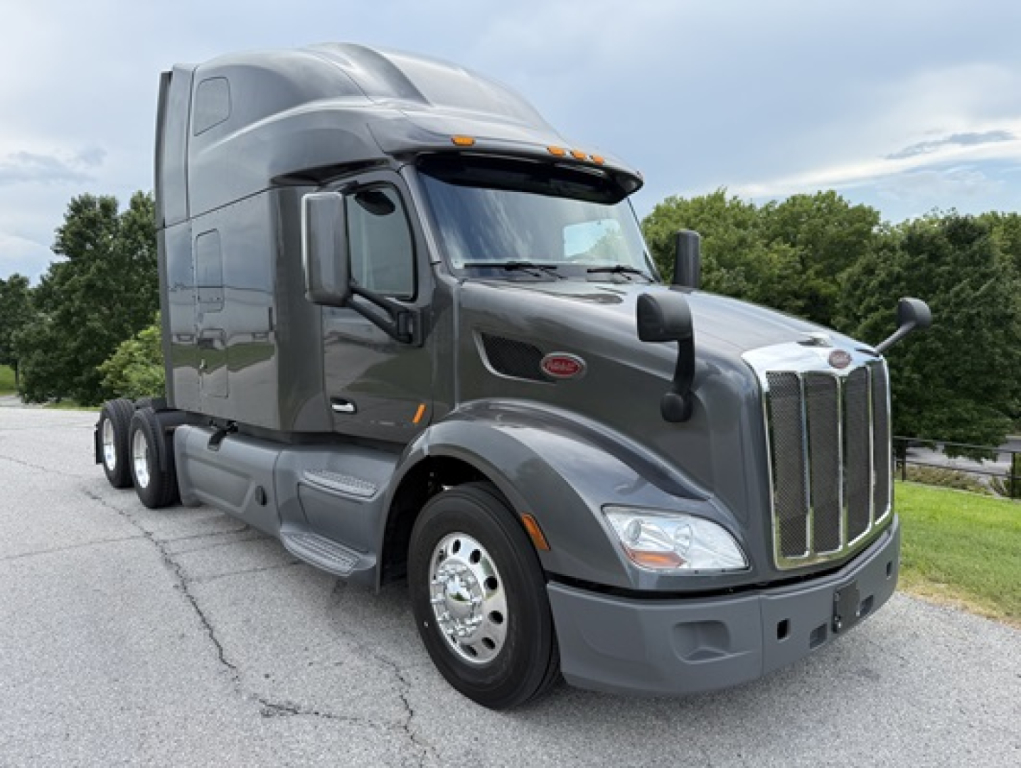


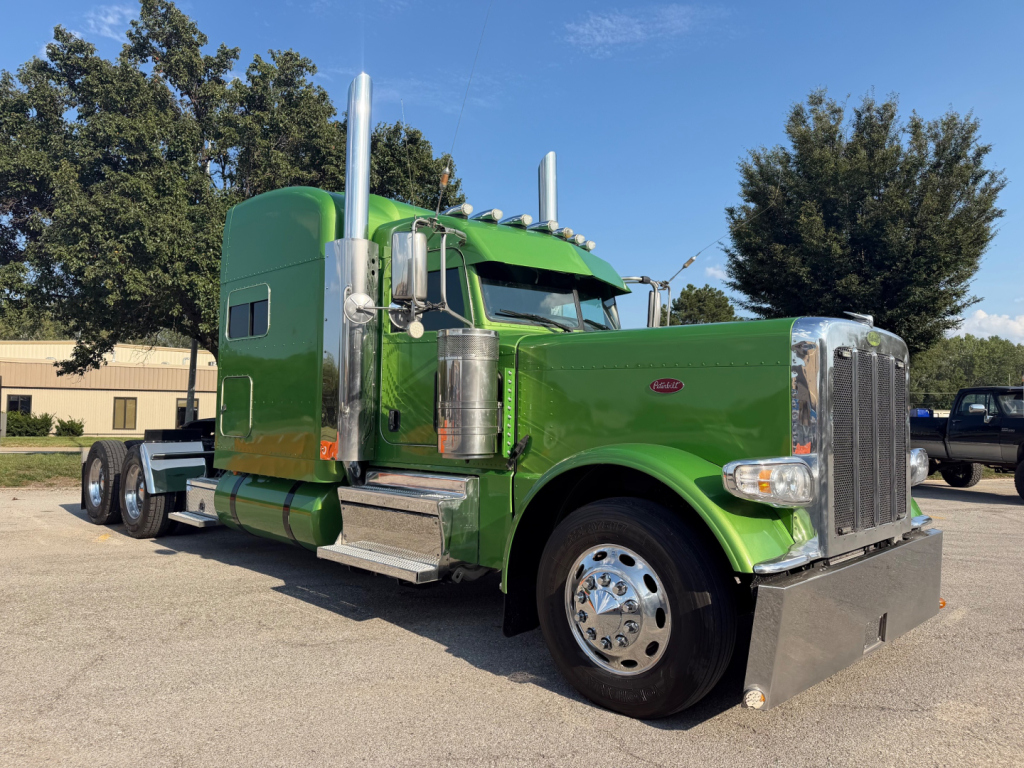
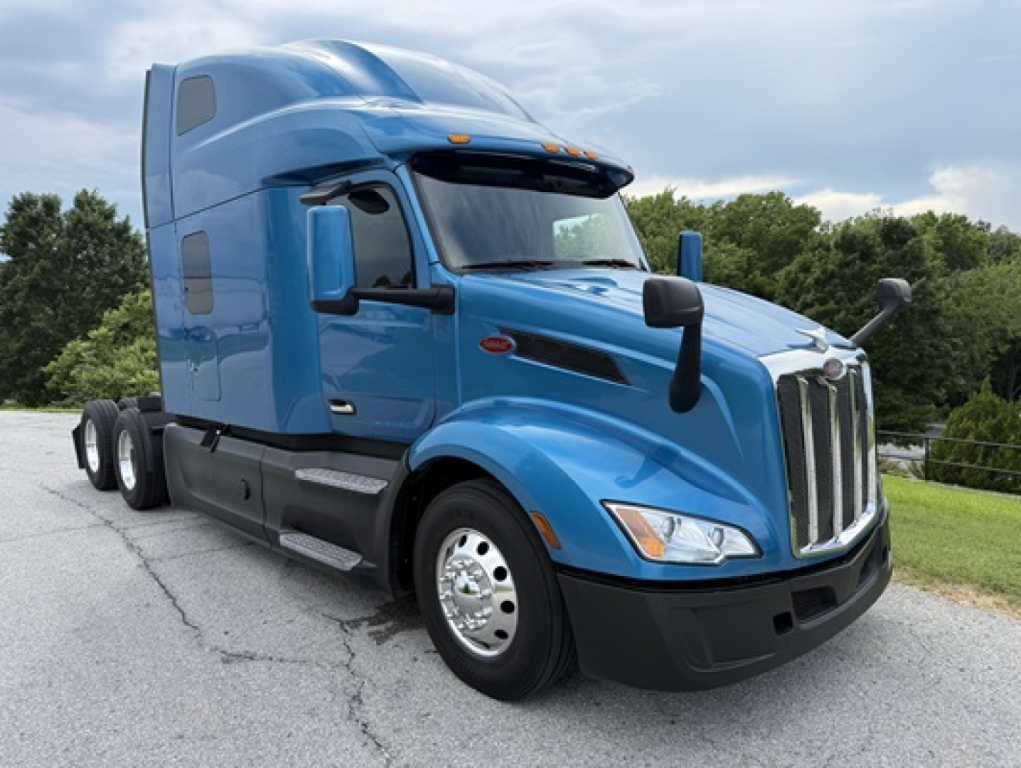
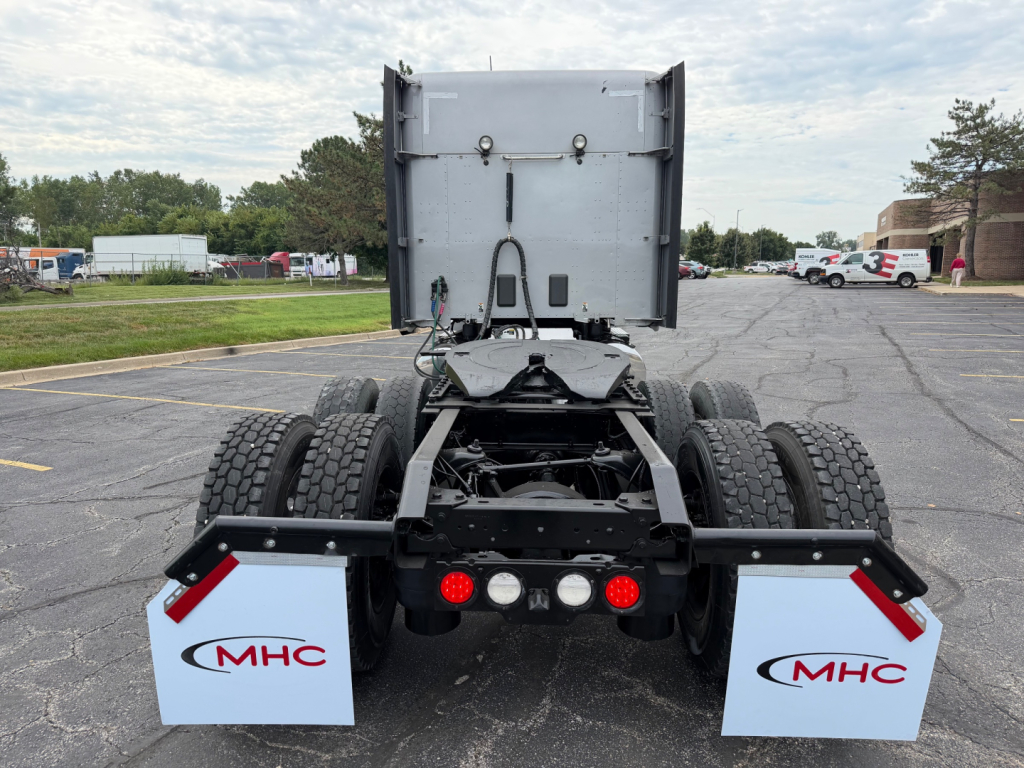
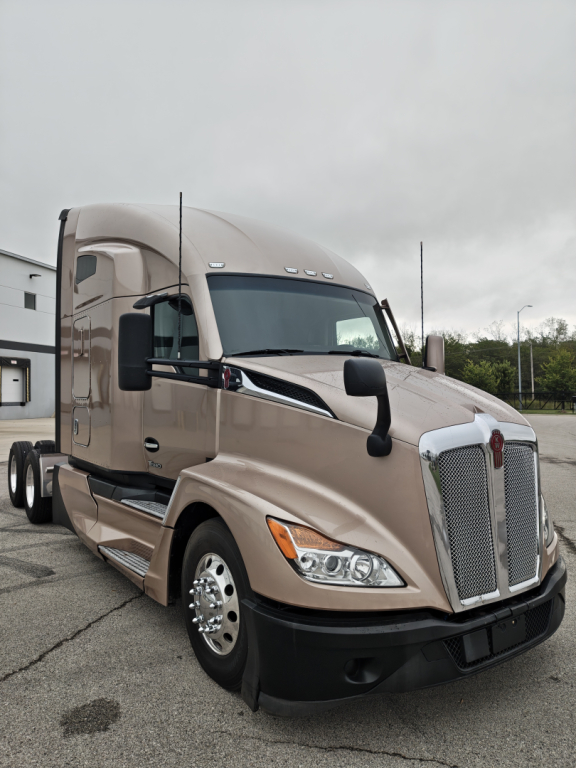
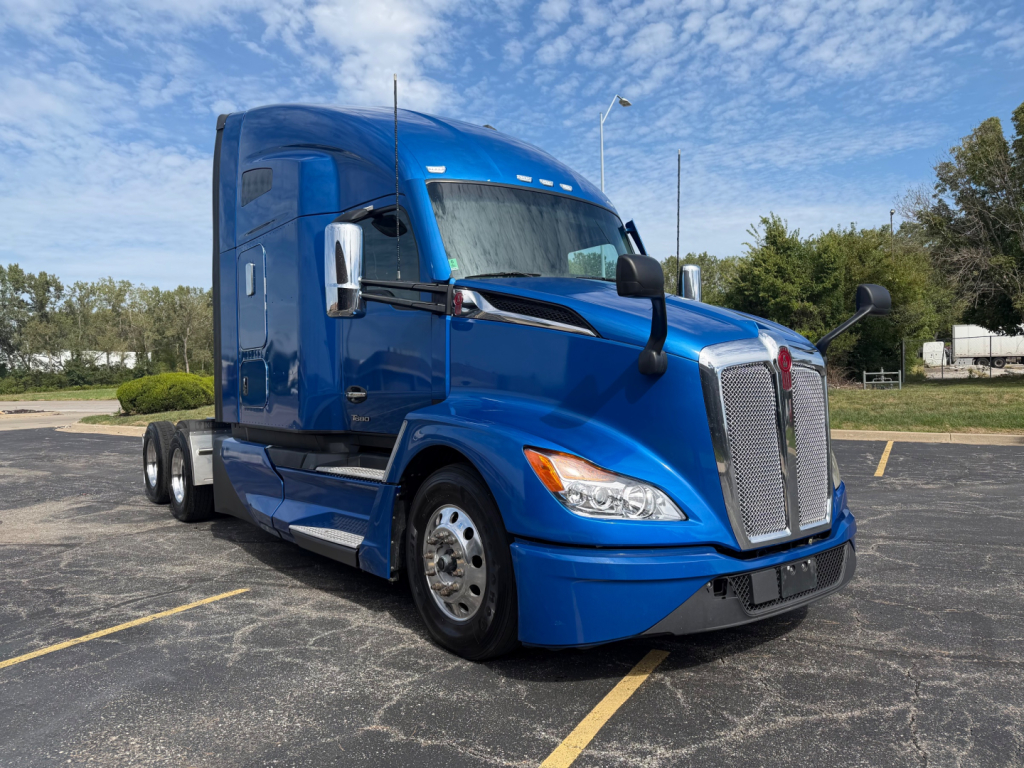
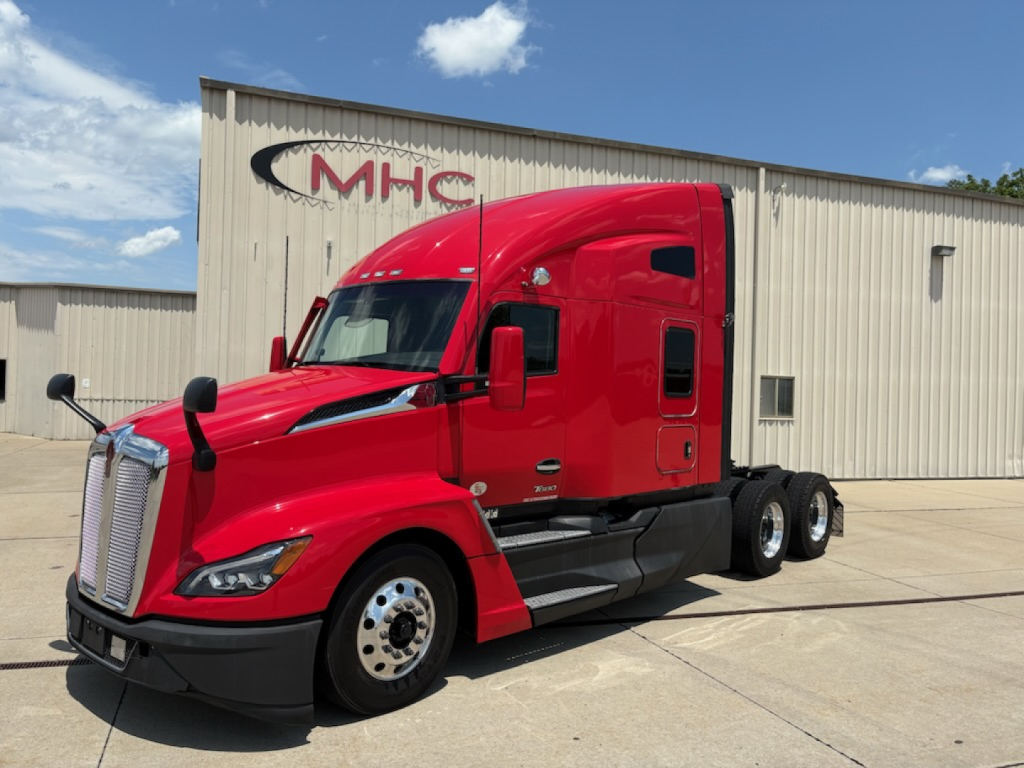
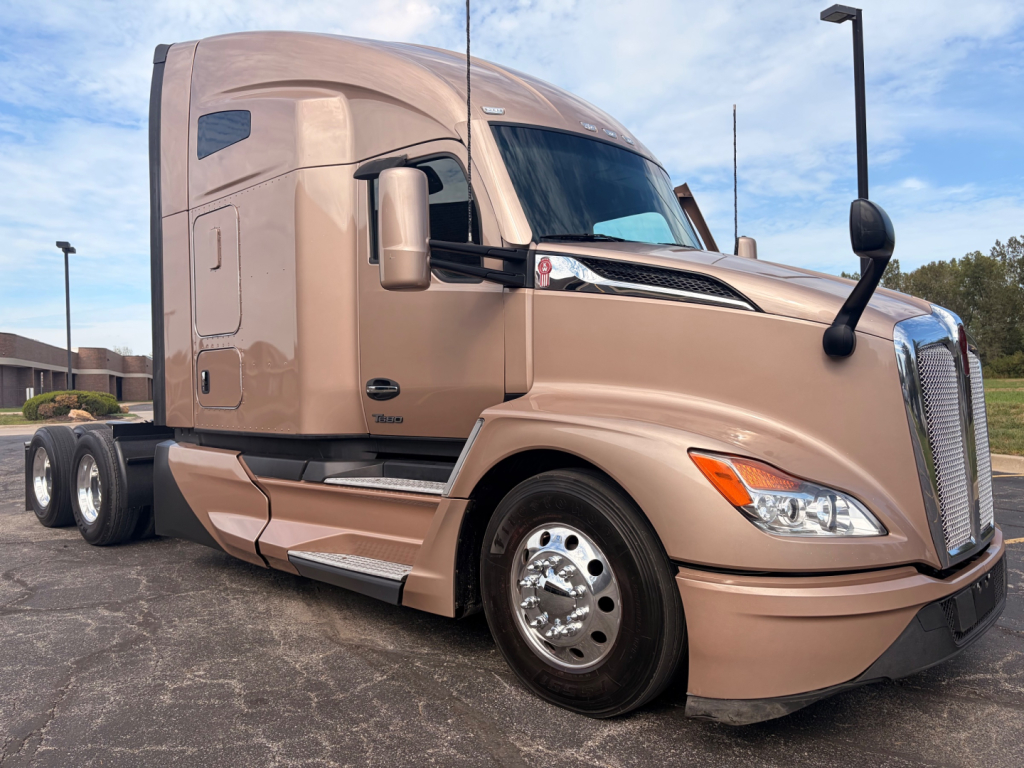
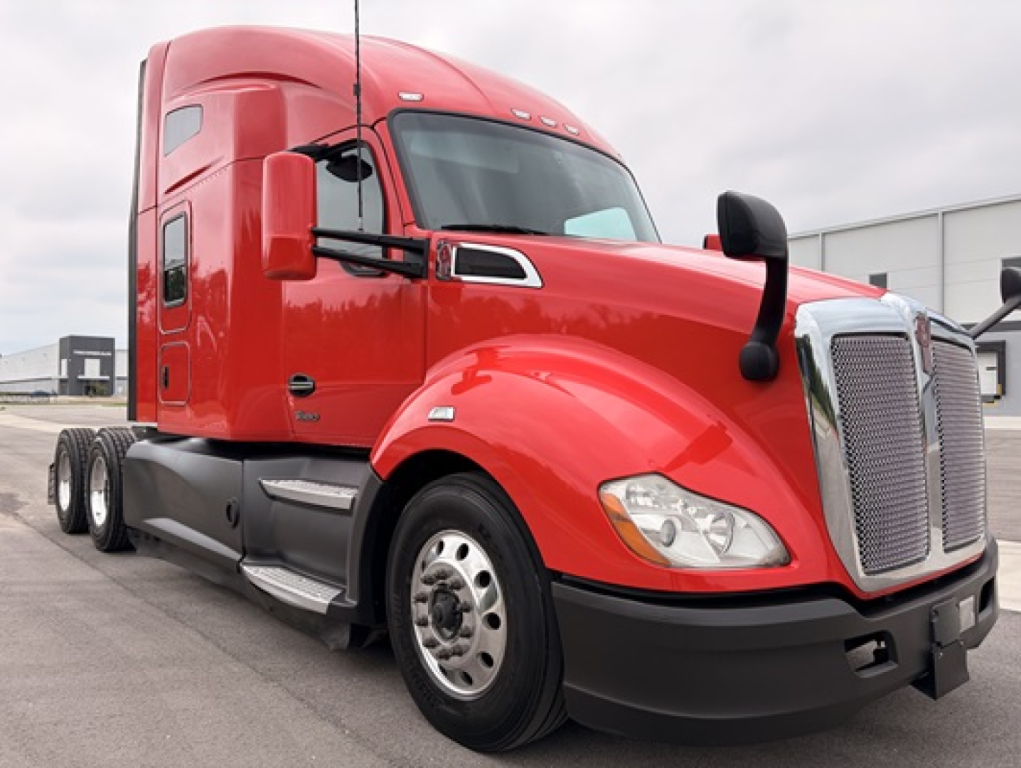
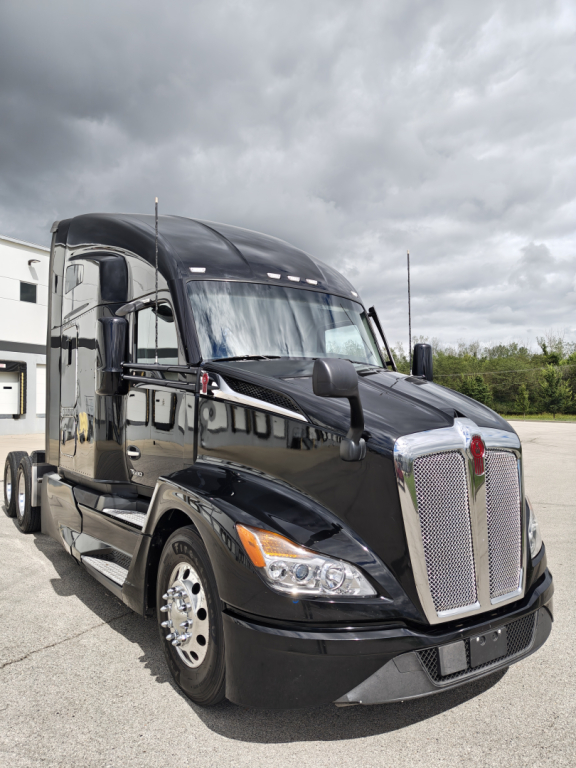

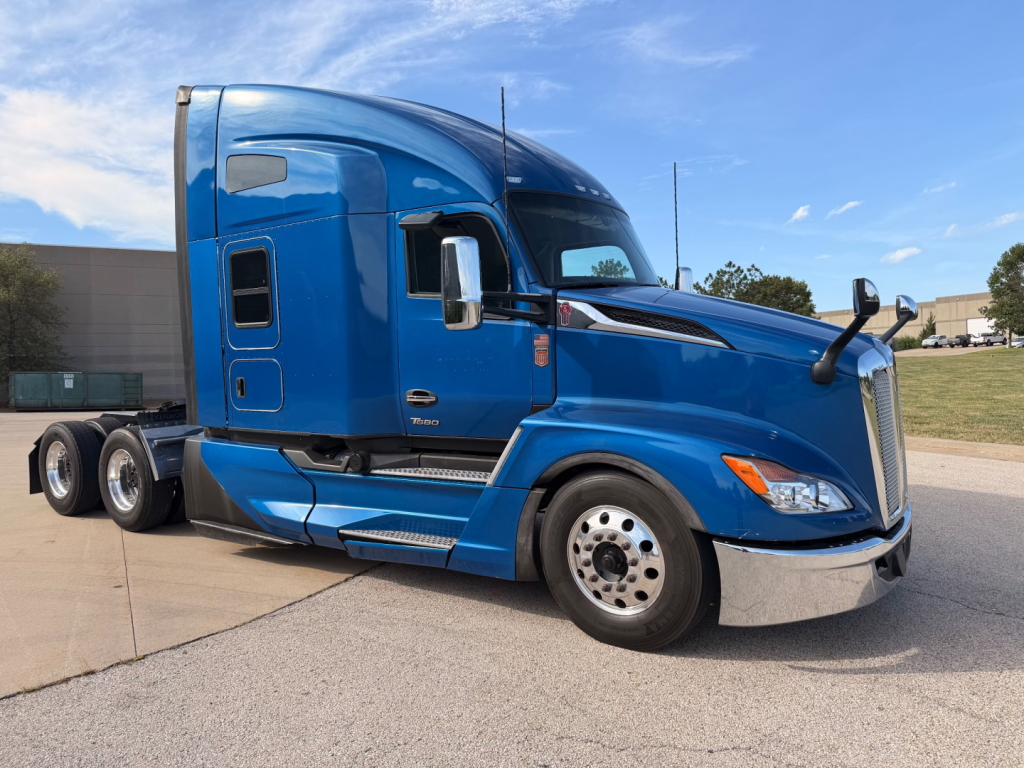
Showing 1 to 28 of 35 results
Have commercial truck to sell? List it here to reach thousands of buyers.
Commercial Trucks Near Kansas City, Kansas
Corrosion resistance is a make-or-break issue around the KC metro due to road salt and brine. Look for e-coated or epoxy-primed frame rails, sealed harness connectors, stainless or zinc-nickel hardware, and galvanized or composite crossmembers on straight-truck bodies. Inspect frame flanges, suspension hangers, fifth wheel brackets, aftertreatment mounts, battery boxes and cab steps for scaling or bubbling paint. Aluminum cabs with proper isolators hold up well, steel cabs need sound seam sealer and undercoating. For vocational bodies, spec AR400 or Hardox floors and high-wear liners where aggregate and demo loads hit hardest, and protect hoist subframes with galvanizing or epoxy to slow rust creep.
Floor strength determines how a straight truck holds up under pallet jacks and forklifts. Laminated hardwood floors are economical and repairable, aluminum plank floors reduce tare and resist moisture, and composite floors offer high screw retention with good durability. Crossmember spacing matters, 12 inch centers carry higher point loads than 16 inch, and thresholds need heavy tread plate to prevent edge mushrooming. Add scuff liners at 12 to 24 inches to shield sidewalls, use logistics posts or e-track set at practical heights, and spec a curbside grab handle and plate where hand trucks land. Flatbed and rollback decks benefit from apitong or composite boards for abrasion resistance, while aluminum decks cut weight but need anti-slip treatment.
Thermal integrity is critical on reefer straight trucks that serve food and pharma routes. Consistent foam density, adequate thickness in walls, roof and floor, and minimal thermal bridging at posts and rear frames keep setpoints stable in summer heat. Check door seals, hinge alignment and drain routing, then verify unit hours, service records and temperature pull-down from 35°F to setpoint after a hot soak. Inspect the bulkhead for delamination, look for corrosion on microchannel condensers and evaporators, and confirm that floor insulation has not been crushed at the wheel wells. TPMS on tractors or straight trucks protects tires during heat waves, and stainless or galvanized liftgate subframes help the rear of the body resist rust where spray is constant.
Frequently Asked Questions about Commercial Trucks Near Kansas City, Kansas
How can I reduce tare weight on a truck without hurting reliability for Kansas City operations?
Use aluminum wheels and tanks, lighter battery boxes and air tanks, and consider wide-base singles where traction and bridge formulas allow. A 6x2 drive axle set trims significant weight for linehaul, but a 6x4 with interaxle and cross-locks is safer for winter dock approaches and job sites. Choose an automated manual transmission with a taller axle ratio for interstate cruising, and keep the wheelbase as short as practical for application to manage overall weight while preserving maneuverability.
What should I look for to assess frame and cab corrosion on a Midwest truck?
Inspect frame flanges near suspension hangers, fifth wheel brackets, crossmembers, aftertreatment mounts and battery boxes for scaling, pitting or bubbling under paint. Check cab steps, door bottoms and windshield pinch welds for rust creep. Favor e-coated or epoxy-primed frames, sealed electrical connectors, stainless fasteners and galvanized or composite crossmembers. Surface rust is normal, deep pitting at stress points is costly, especially where spring hangers and steering gear mount.
Which floor construction works best for box trucks that see forklift loading?
Laminated hardwood handles impact and is simple to repair, aluminum plank floors save weight and resist moisture, and composite floors offer excellent fastener retention with good durability. For heavy forklift traffic, choose 12 inch crossmember spacing, a heavy threshold plate at the rear, and 18 to 24 inch scuff liners to stop wall damage. Verify point-load ratings that match your forklift tire type and cargo weight so the floor does not cup or crack.
How do I evaluate thermal integrity on a used reefer straight truck?
Confirm insulation thickness and uniformity in walls, roof and floor, then inspect rear door seals, hinges and latch cams for compression and alignment. Review reefer unit hours and maintenance, look for corrosion on condensers and evaporators, and verify drain lines are clear. Perform a pull-down test after a heat soak, monitor return and discharge temperatures, and check for delamination or moisture intrusion at the bulkhead and floor channels that would raise fuel use and lengthen recovery time.
What maintenance helps trucks resist corrosion in the Kansas City area?
Rinse undercarriages frequently during salt season, apply a quality cavity wax or oil-based inhibitor inside rails and crossmembers, and touch up chips with epoxy primer and topcoat. Use dielectric grease on electrical connectors, keep battery box mats clean, and clear debris from frame ledges where moisture lingers. Stainless or galvanized components on liftgates and body subframes extend life at the rear where spray is worst, and regular inspections catch issues before they spread.