
Trucks For Sale Near Jensen Beach, Florida
Browse trucks for sale in Jensen Beach, Florida, including vocational and cab-and-chassis models for municipal, utility, construction, and fleet use.
Learn more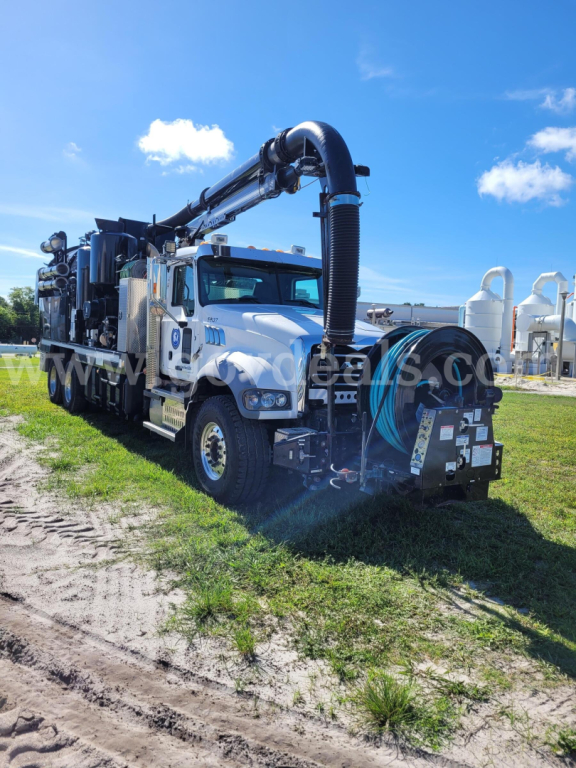

Have truck to sell? List it here to reach thousands of buyers.
About Trucks Near Jensen Beach, Florida
For many buyers, chassis specs matter more than badge loyalty. Common checkpoints include GVWR, front and rear axle capacities, suspension type, transmission, brake system, engine hours versus mileage, and whether the truck is set up as a set-forward or set-back axle configuration. On cab and chassis trucks, frame rail condition, wheelbase, CA dimension, and available PTO openings are critical because they determine what bodies and equipment can be installed. On vocational units, buyers should look closely at body manufacturer, tank or body material, pump and hydraulic systems, boom setup, hose reels, tool storage, and the condition of controls and auxiliary systems. Service history is especially important on trucks that spend long hours idling or operating PTO-driven equipment.
Florida operating conditions can also influence the best spec. Corrosion is usually less severe than in heavy road salt markets, but heat, humidity, standing water, and coastal exposure still affect wiring, connectors, hydraulics, cooling systems, and cab interiors. Trucks used by municipalities, contractors, utilities, and public works departments in this region are often selected for durability, easy service access, and reliable low-speed jobsite performance rather than long-haul efficiency. If the truck will be working in tight urban areas or residential zones around the Treasure Coast, turning radius, visibility, overall height, and axle spread can matter as much as horsepower.
A good used truck in this category should be evaluated as a complete work platform, not just as an engine and cab. The right buyer will compare remaining service life in the chassis, emissions system condition, body integrity, PTO operation, and the cost of putting the truck directly to work. Mack, Freightliner, International, Kenworth, Peterbilt, Ford, and Chevrolet all appear regularly in the broader truck market, but the best fit comes down to payload, upfit compatibility, and duty cycle. Buyers comparing multiple listings should focus on how each truck is equipped today, what it will cost to reconfigure if needed, and whether its current specs line up with the intended route, load, and application.
Frequently Asked Questions
What should I check first when comparing trucks for sale?
Start with the intended application and the truck's core chassis ratings. GVWR, axle capacities, wheelbase, engine horsepower and torque, transmission type, suspension, and PTO compatibility determine whether the truck can legally and efficiently do the work. If the truck already has a vocational body installed, inspect the body manufacturer, hydraulic or vacuum systems, and any auxiliary equipment with the same attention you give the engine and drivetrain.
Is mileage or engine hours more important on a used truck?
Both matter, but the answer depends on the truck's duty cycle. A highway truck usually tells its story through mileage, while a vocational truck may accumulate relatively low miles but high engine hours from idling, PTO operation, and stop-and-go work. On vacuum, utility, municipal, and construction trucks, engine hours and maintenance records can be just as important as the odometer because wear occurs while the truck is working even when it is not moving.
Why is wheelbase important on a cab and chassis truck?
Wheelbase affects body fit, weight distribution, turning radius, and overall job suitability. Buyers planning to install a dump body, service body, flatbed, water tank, or specialty equipment need to confirm wheelbase and CA dimension before purchase. An otherwise solid cab and chassis can become expensive to repurpose if the frame length or axle placement does not match the planned upfit.
Are vocational trucks in Florida different from trucks used in other regions?
Florida buyers often place more emphasis on cooling performance, electrical condition, hydraulic reliability, and signs of moisture exposure than on salt-related corrosion. Coastal environments can still be hard on wiring, connectors, lighting, and metal components. Trucks used in municipal and utility service in Florida are also commonly selected for maneuverability, strong low-speed performance, and dependable PTO operation in hot weather.
What makes a used vocational truck a better value?
Value comes from how quickly the truck can be put to work and how closely it matches the job without major reconfiguration. A truck with solid service records, a healthy drivetrain, functioning auxiliary systems, and a body spec that fits the intended application often costs less in the long run than a cheaper truck that needs extensive repairs or repowering. Buyers should weigh purchase price against downtime, emissions-system condition, tire and brake life, and the cost of adapting the truck to the operation.