
Commercial Trucks For Sale Near Irvington, Alabama

Have commercial truck to sell? List it here to reach thousands of buyers.
Commercial Trucks Near Irvington, Alabama
A lot of buyers in this segment focus on powertrain and suspension before anything else. Heavy-duty trucks in this class commonly run diesel engines from midrange ratings around 260 horsepower up into 500 to 565 horsepower for lowboy, heavy haul, and severe-service work. Cummins X15 power is common in premium vocational and on-highway spec trucks because it supports high GCWR applications and pairs well with automated manual or heavy-duty manual transmissions. Rear axle ratios like 3.91 or 4.30 change how the truck performs under load, especially when starting heavy, working off-road, or running sustained highway miles. Suspension choices such as AG 460, Hendrickson RTE, or spring ride also affect ride quality, durability, articulation, and body-builder compatibility.
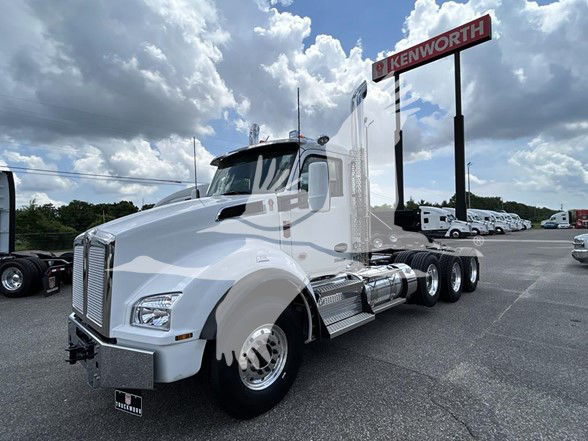
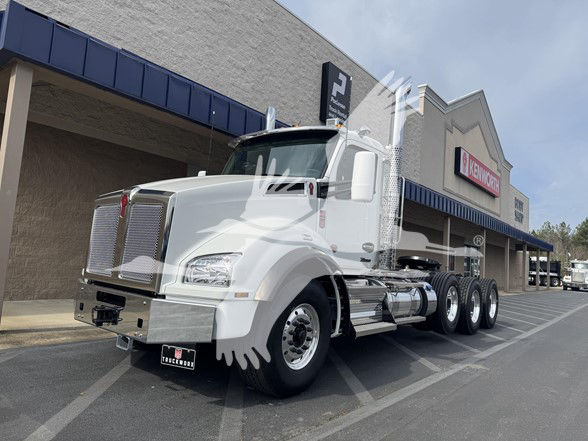
Wheelbase, tire size, and axle layout deserve close attention because they determine what the truck can realistically do after purchase. A 201-inch wheelbase chassis may suit shorter bodies or tighter urban routing, while 248-inch and 272-inch configurations are better suited for longer bodies, heavier components, or specialized trailer and equipment combinations. Tandem-axle 6x4 trucks remain the standard for many vocational and regional applications, while tri-axle setups are often chosen for higher legal payloads, lowboy work, and jobs where bridge laws and weight distribution matter. Buyers in south Alabama also tend to value corrosion resistance, cooling performance, and straightforward service access, especially for trucks working in construction, port-related freight, aggregate, or mixed on-road and jobsite duty.
When comparing trucks in this category, look beyond model year and make. Check gross axle ratings, frame rail dimensions, PTO provisions, transmission model, front axle capacity, and intended body fit. Aluminum wheels, 22.5-inch or 24.5-inch rubber, standard cabs, and left-hand drive are common baseline specs, but the right truck is the one whose wheelbase, suspension, gearing, and horsepower match the exact route, body, and payload you plan to run. A truck that is overbuilt can cost more to operate, while one that is underspecified will show its limits quickly in uptime, tire wear, and driveline stress.
Frequently Asked Questions about Commercial Trucks Near Irvington, Alabama
What is the difference between a day cab truck and a cab and chassis truck?
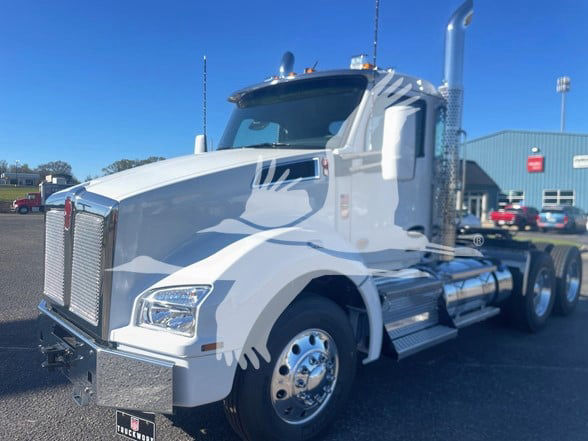
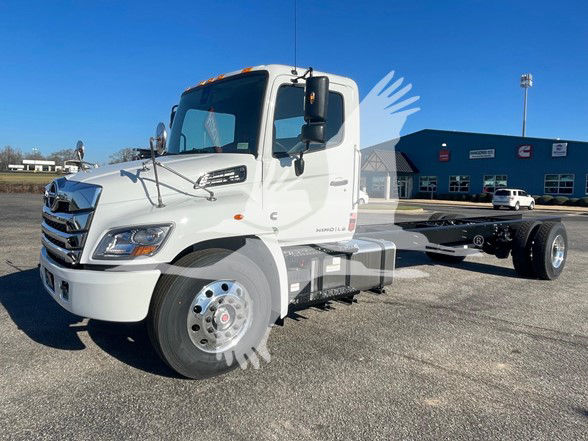
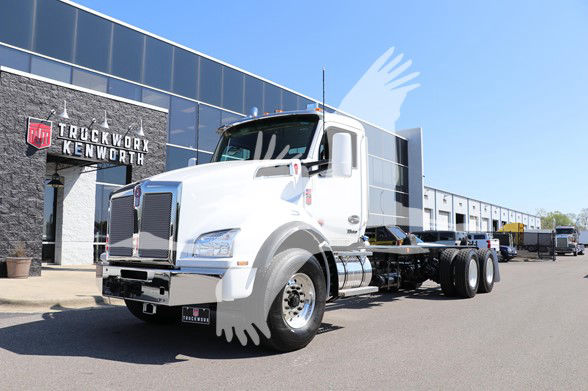
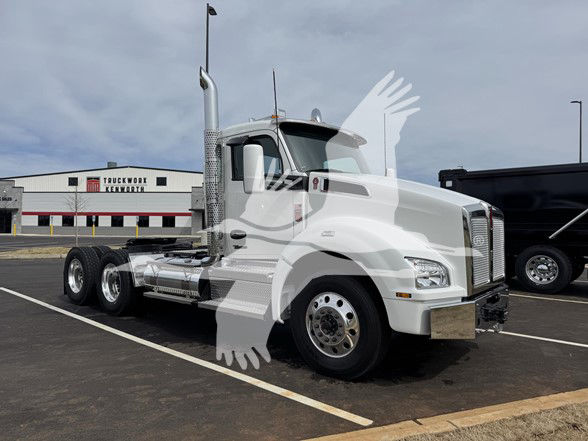
A day cab truck is built primarily to pull a trailer and does not include a sleeper, which makes it common for local and regional freight, port work, and vocational tractor applications. A cab and chassis truck is sold with the cab and frame rails in place but without the final body, allowing it to be upfitted as a dump truck, rollback, service truck, box truck, tanker, hooklift, or another specialized configuration. The choice depends on whether you need a tractor for trailer operations or a platform for a body installation.
How do I choose the right wheelbase for a truck?
Wheelbase should be matched to the body length, bridge law requirements, turning radius needs, and component placement such as fuel tanks, toolboxes, PTO equipment, and lift axles. A shorter wheelbase usually improves maneuverability and can reduce empty weight, but it limits body options and can affect stability with certain loads. A longer wheelbase gives body builders more room and may improve load distribution, yet it can be less practical in tight jobsites or city routes. The best choice comes from the final application, not just the truck model.
What rear axle ratio is best for vocational trucks?
The best rear axle ratio depends on startability, terrain, highway speed, and gross combined weight. Ratios such as 4.30 are common in heavy haul, lowboy, and severe-service applications because they provide stronger pulling power at low speed. Ratios such as 3.91 can offer a more balanced setup for mixed highway and vocational work where fuel economy and road speed also matter. The transmission, tire size, and engine torque curve all need to be considered together before deciding which ratio is right.
Why do suspension types matter on a commercial truck?
Suspension affects ride quality, traction, durability, maintenance cost, and how the truck performs under different body and load conditions. Air ride suspensions such as AG 460 can improve ride and help protect sensitive loads while still supporting demanding vocational service. Mechanical options like Hendrickson RTE or spring suspensions are often valued for simplicity, stability, and toughness in severe-duty environments. The right suspension depends on whether the truck will spend more time on pavement, in rough jobsites, or carrying body equipment with concentrated weight.
Is a tri-axle truck better than a tandem-axle truck?
A tri-axle truck is not automatically better, but it can be the right tool when legal payload, bridge compliance, or heavy equipment hauling is the priority. The added axle can improve weight distribution and support higher carrying capacity in the right application. A tandem-axle truck is usually lighter, less complex, and often more economical to run and maintain for general vocational or regional work. Buyers should compare the truck's intended payload, operating state laws, and maintenance budget before choosing between tandem and tri-axle layouts.