
International Trucks For Sale in Washington

Have international truck to sell? List it here to reach thousands of buyers.
International Trucks in Washington
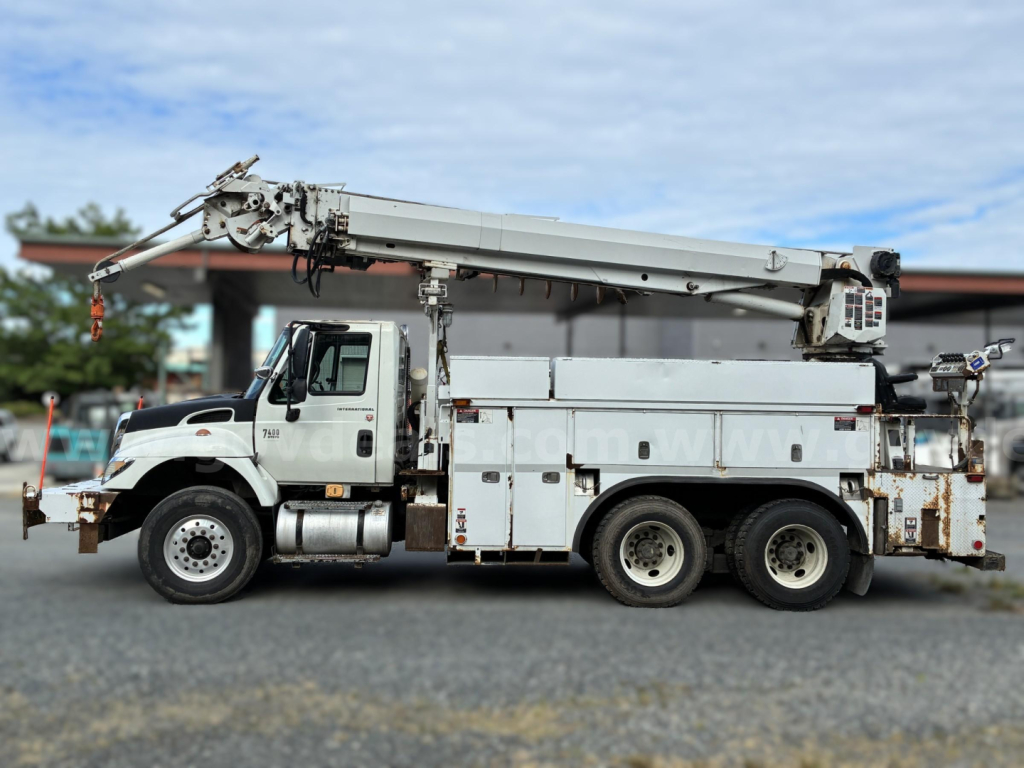
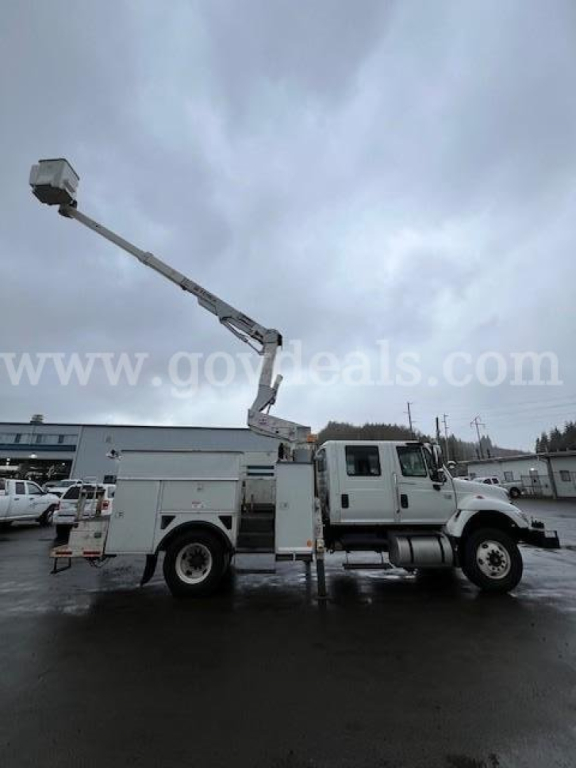
For Washington buyers, application matters as much as badge and model number. A tandem axle dump truck, for example, needs to be evaluated for wheelbase, suspension type, frame condition, hoist setup, differential ratings, and body specs, not just horsepower. A digger derrick or utility truck needs close attention to PTO operation, hydraulic system condition, outrigger structure, boom certifications, and any idle-hour history in addition to road miles. International has long been popular in municipal and contractor fleets, so many used units in this category may have fleet maintenance records, vocational upfits, and heavier front axle ratings suited for equipment mounting.
Common International truck platforms range from medium-duty models used for service bodies and box applications up to heavier severe-duty chassis used for dump, crane, and utility work. Depending on the truck, buyers may find diesel engines in the DT, MaxxForce, N9, N10, N13, or larger displacement classes, along with Allison automatics or fuller manual transmissions. Key buying points include rust and corrosion, engine emissions system condition, brake type, tire size, bridge-law friendly axle spacing, and whether the truck’s GVWR and registration class align with the intended operation. On older vocational Internationals, it is also smart to inspect frame repairs, spring hanger areas, PTO engagement, hydraulic leaks, and evidence of hard off-road or jobsite service.
International trucks remain popular because parts availability, service familiarity, and upfit flexibility are generally strong across the brand. A buyer comparing listings should look beyond year and mileage and pay close attention to body manufacturer, axle ratings, suspension, wheelbase, cab configuration, and any specialized equipment mounted on the chassis. In a state like Washington, where trucks may split time between pavement, aggregate yards, utility easements, and wet jobsite conditions, the best unit is usually the one with the right vocational spec and a clear maintenance history, not simply the newest truck on the page.
Frequently Asked Questions about International Trucks in Washington
What should I check first when comparing International trucks for sale in Washington?
Start with the truck’s intended application, then confirm axle configuration, GVWR, wheelbase, engine, transmission, and PTO capability. A dump truck, service truck, or digger derrick can all wear the International name, but the correct spec depends on payload, mounted equipment, and terrain. In Washington, buyers should also inspect frame and underbody corrosion, suspension condition, and signs of heavy municipal or off-road use.
Are International trucks a good choice for vocational work?
International trucks are widely used in vocational service because the chassis are commonly spec’d for dump bodies, utility equipment, cranes, and municipal work. Buyers often value them for parts support, straightforward serviceability, and broad availability in medium-duty and severe-duty configurations. The actual fit depends on axle ratings, frame strength, transmission choice, and how well the existing upfit matches the work required.
Which specs matter most on a used International dump or utility truck?
The most important specs are front and rear axle ratings, suspension type, engine and transmission pairing, PTO operation, wheelbase, and the condition of the body or mounted equipment. On dump trucks, hoist performance, body integrity, and differential ratios matter. On utility and digger derrick trucks, hydraulic function, boom condition, outrigger integrity, and any certification or inspection history are critical.
Do older International trucks still make sense for fleet or contractor use?
Older International trucks can still be productive assets if the chassis is sound and the vocational equipment has been maintained. Many buyers target older units because they may have simpler drivetrains, lower acquisition cost, and proven heavy-duty components. The key is to verify engine condition, transmission operation, hydraulic performance, brake system health, and whether the truck has any frame fatigue, rust issues, or deferred maintenance.
Why is wheelbase important on an International work truck?
Wheelbase affects body fit, turning radius, bridge compliance, weight distribution, and how the truck performs with mounted equipment. A dump body, crane, digger derrick, or service body all place different demands on the chassis. Buyers should make sure the wheelbase supports the intended body length and axle loading, especially in tight urban areas, utility access roads, and mixed on-road and off-road operating conditions.