
Used 2020 International Trucks For Sale in Nevada

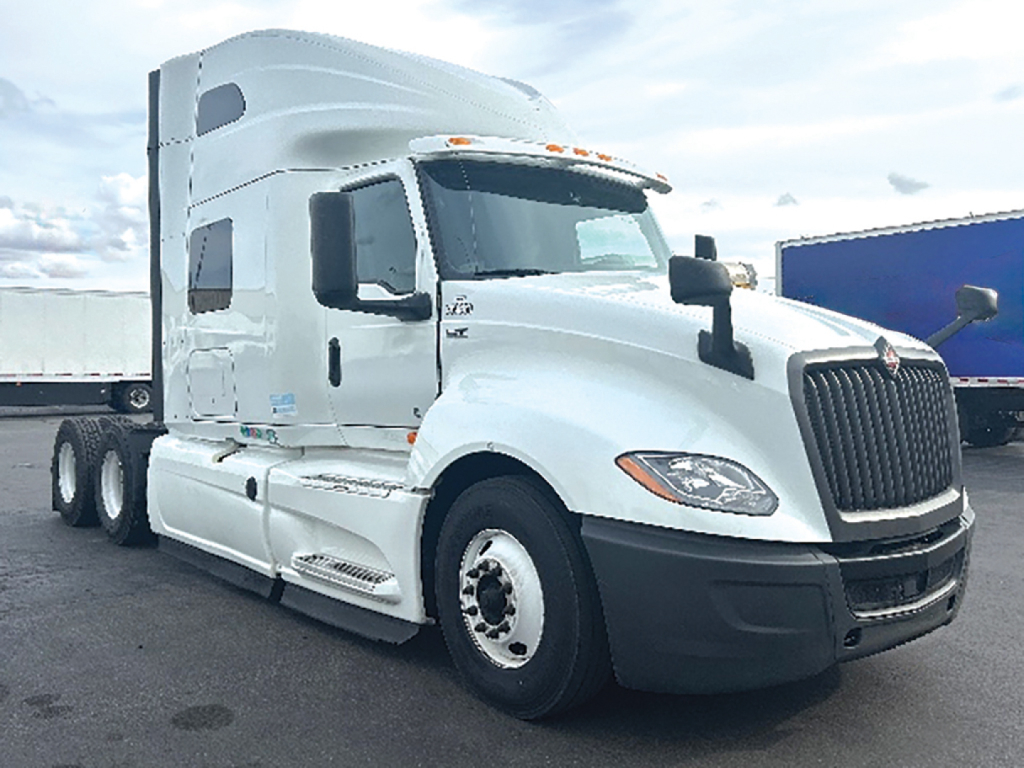
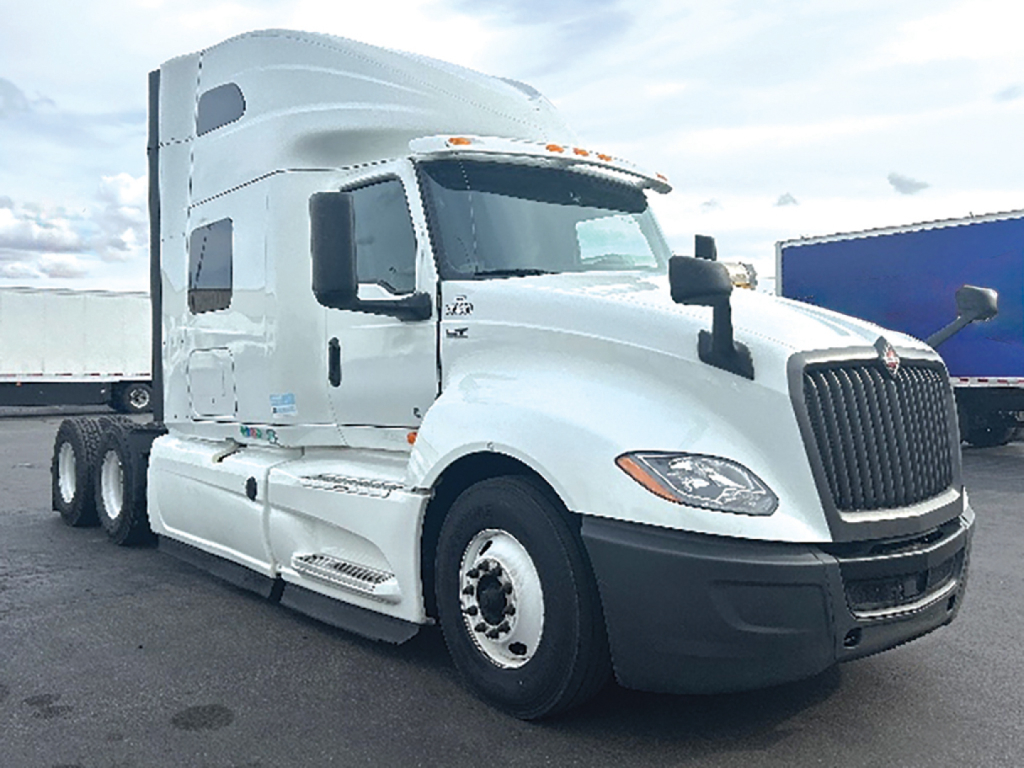
Have used 2020 international truck to sell? List it here to reach thousands of buyers.
Used 2020 International Trucks in Nevada
Powertrain matters more than badge alone. Many 2020 International trucks were spec'd with the Cummins X15 or International A26, typically in horsepower ranges suited for linehaul and regional operations. Buyers should compare horsepower, torque rating, rear axle ratio, and transmission model as a complete package rather than looking at engine output by itself. A tall rear ratio may favor fuel economy on open interstate runs, while a shorter ratio can be better for heavier loads, city work, or grades. If the truck will run across Nevada and the surrounding West, cooling system condition, APU or bunk heater setup, and emissions system service history deserve close attention, especially on trucks that have spent time idling or operating in extreme heat.
Chassis and cab spec will affect resale, driver acceptance, and operating cost. Common items to review include wheelbase, front axle and rear axle ratings, suspension type, fifth wheel style, fuel capacity, brake configuration, and tire setup. Day cabs are often preferred for local and dedicated routes where maneuverability and lower tare weight matter. Sleeper models, including high-rise configurations, add flexibility for over-the-road lanes and team operations. Many 2020 International highway trucks also came with collision mitigation, cruise control, power windows, adjustable steering columns, and improved cab aerodynamics, all of which can influence both safety and driver retention.
A careful inspection on a used 2020 International truck should include ECM downloads, aftertreatment maintenance records, transmission calibration history, brake wear, suspension condition, and signs of uneven tire wear that may point to alignment or axle issues. Buyers should also verify sleeper equipment operation, check for air leaks, inspect frame condition around the fifth wheel and suspension mounts, and confirm that the truck's spec matches the intended trailer and payload. When the application is clear and the drivetrain is matched correctly, a used 2020 International truck can deliver a strong balance of purchase price, parts support, and real-world fleet usability.
Frequently Asked Questions about Used 2020 International Trucks in Nevada
What are the most common 2020 International truck models buyers look for?
The most common 2020 International trucks in the used market are typically highway tractors such as the LT Series, along with regional and day cab configurations depending on the operation. Sleeper tractors are usually chosen for longer runs and over-the-road freight, while day cabs are more common in regional, port, and local distribution work. The right model depends less on nameplate alone and more on how the truck was originally spec'd for axle ratings, wheelbase, engine, transmission, and cab layout.
Is the Cummins X15 or International A26 better in a used 2020 International truck?
Both engines can be solid choices, but they fit different buyer priorities. The Cummins X15 is widely recognized for broad service support, strong torque options, and familiarity across mixed fleets. The International A26 is lighter and often chosen for fuel-focused highway applications. The better choice comes down to your shop's comfort level, local dealer support, parts access, and the truck's maintenance history. On a used unit, documented service records and clean diagnostic data usually matter more than engine brand by itself.
What should I inspect first on a used 2020 International truck?
Start with the powertrain and emissions history. Pull ECM data, review fault codes, and verify maintenance on the DPF, DOC, and SCR systems. After that, inspect transmission operation, axle ratios, brake condition, suspension wear, tires, and alignment. On sleeper trucks, test HVAC, bunk heater, and any idle-reduction equipment. A truck that looks clean cosmetically can still have expensive deferred maintenance, so service records and a proper pre-purchase inspection are critical.
Are 2020 International day cabs or sleepers better for Nevada operations?
That depends on lane length and trailer assignment. Day cabs are often the better fit for local freight, dedicated regional work, and operations where lower weight and tighter turning are important. Sleepers make more sense for longer interstate runs, irregular dispatches, and operations that need flexibility beyond a single shift. In Nevada, where routes can be long and temperatures are high, cab cooling performance, fuel capacity, and engine brake spec are especially important regardless of cab type.
What specs have the biggest effect on resale and operating cost in a 2020 International truck?
The biggest factors are usually engine and transmission combination, rear axle ratio, mileage, emissions system condition, cab type, and overall maintenance history. Fleets and owner-operators also pay close attention to wheelbase, fuel tank capacity, safety systems, and whether the truck has a desirable highway spec such as air ride suspension and an adjustable fifth wheel. A truck with a common, well-supported drivetrain and a documented maintenance file usually holds broader market appeal than an unusual or poorly documented spec.