
International Trucks For Sale in Rhode Island
Have international truck to sell? List it here to reach thousands of buyers.
International Trucks in Rhode Island
A good buying decision starts with the chassis class and body application. International medium-duty trucks are commonly spec'd with diesel engines, automatic transmissions, hydraulic brake or air brake systems depending on GVWR, and wheelbases matched to service bodies, bucket trucks, dump bodies, or van bodies. On vocational models, pay close attention to front axle ratings, suspension capacity, PTO compatibility, and frame condition, especially if the truck carries a plow, spreader, crane, or aerial equipment. In coastal New England, rust on frames, brake lines, crossmembers, dump hoists, and underbody hydraulics deserves a close inspection.
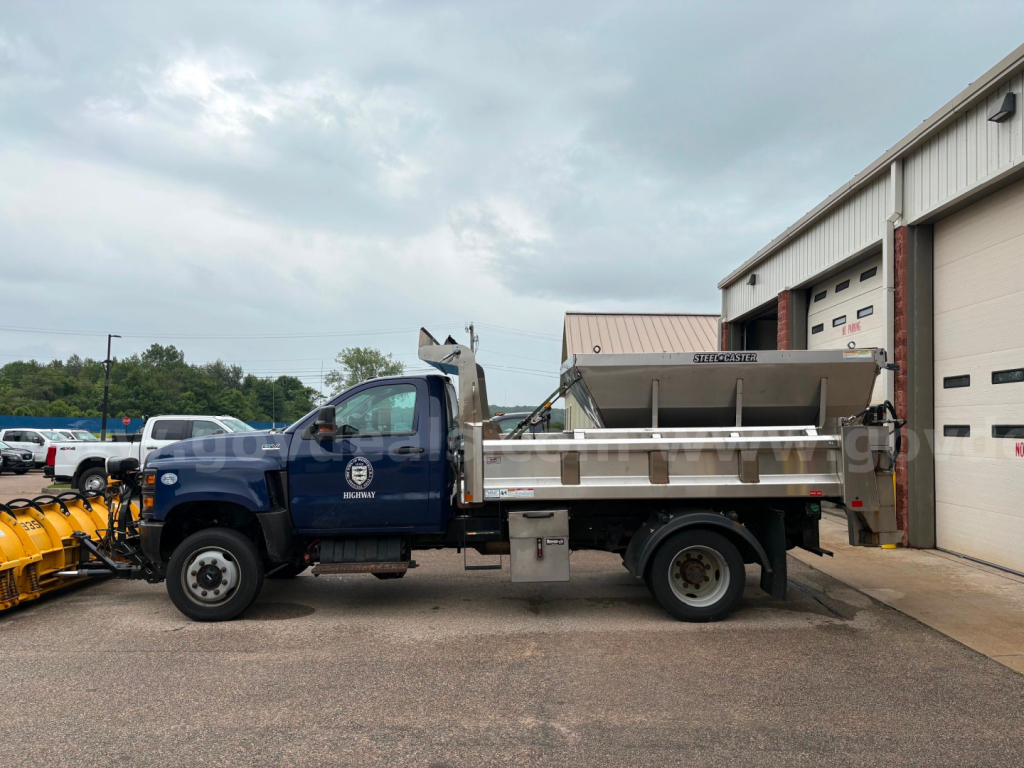
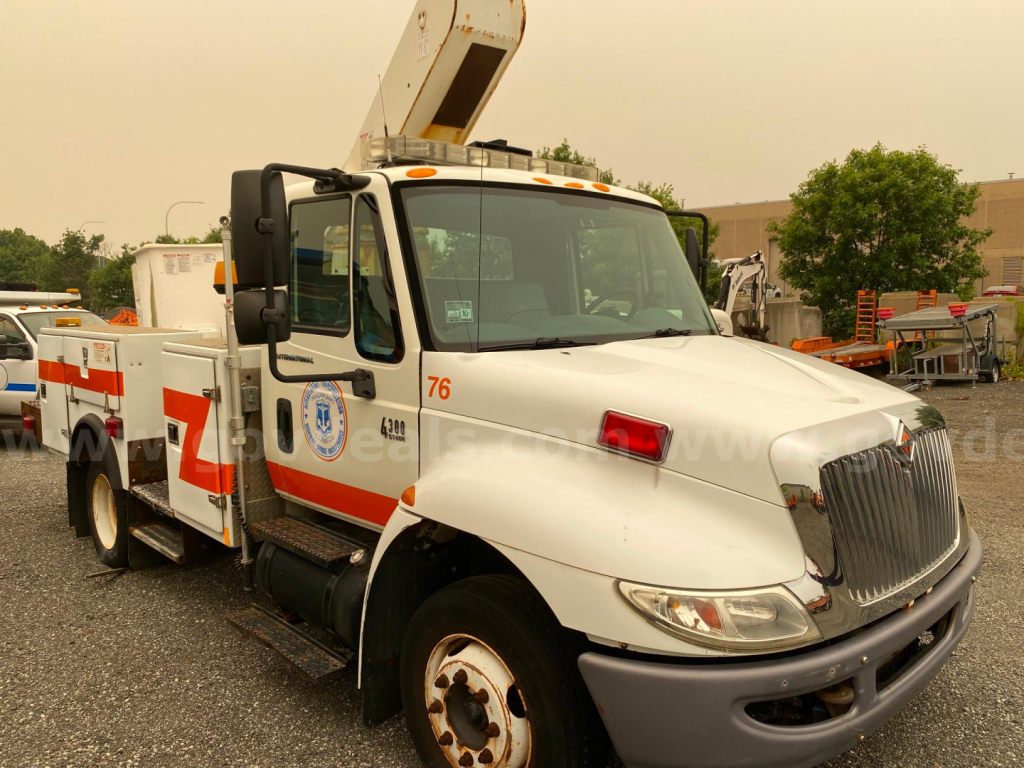
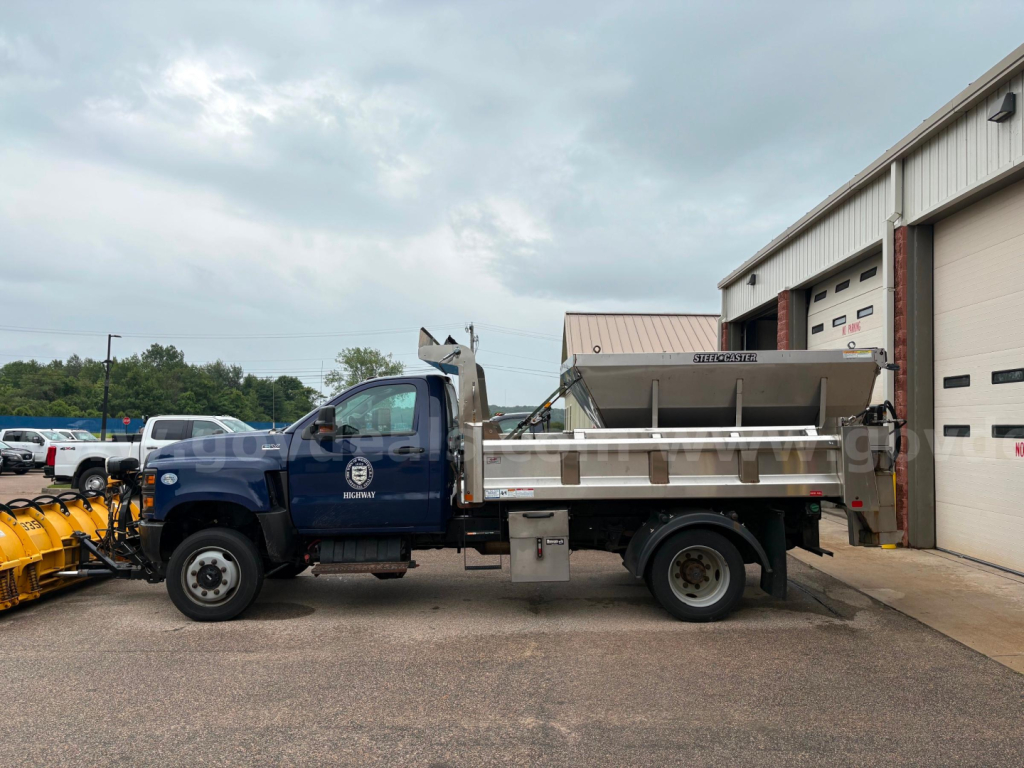
For dump and municipal setups, stainless dump bodies, dual rear wheels, central hydraulics, tarp systems, and plow packages are common value drivers. A CV515 configured with a plow and spreader can be a practical fit for local contractors and town fleets that need one truck to handle winter maintenance and year-round material hauling. For bucket and utility trucks built on International chassis, the important checkpoints are engine hours versus PTO hours, boom certification records, outriggers, hydraulic leaks, dielectric testing when applicable, and overall upfit age relative to chassis age.
International trucks are generally favored for their straightforward vocational packaging, broad body-builder support, and familiar service network. Buyers comparing listings should look beyond model year and mileage and weigh total chassis spec, body condition, maintenance history, and application fit. A lower-mile truck with severe corrosion or an under-spec axle package can be a worse buy than a higher-mile unit with complete records and the right vocational equipment already installed.
Frequently Asked Questions about International Trucks in Rhode Island
What are the most common International truck models buyers look for in vocational work?
The International 4300 and CV515 are two of the most common models seen in vocational applications. The 4300 is a medium-duty platform frequently used for box trucks, utility bodies, buckets, and municipal service. The CV515 is popular for dump, plow, and contractor-style applications where a rugged chassis, diesel power, and upfit flexibility are important. The right choice depends on GVWR, body type, and how much payload or auxiliary equipment the job requires.
What should I inspect on a used International dump or plow truck in Rhode Island?
Start with corrosion. Rhode Island winter service and coastal conditions can accelerate rust on frames, brake components, hydraulic lines, spreader mounts, and electrical connections. Check the dump hoist, PTO operation, plow harnesses, cutting edge wear, transmission behavior under load, and front axle condition since plow gear adds significant stress. Stainless bodies hold value well, but the subframe, hinges, and underbody still need close attention.
Is mileage or engine hours more important on an International utility or bucket truck?
Mileage matters, but engine hours and PTO hours often tell the real story on utility equipment. A truck that spent long periods idling to power aerial or hydraulic equipment may show moderate miles but substantial engine wear. Review service records, idle time if available, boom maintenance history, and any inspection or certification documents tied to the upfit. On bucket trucks, the condition of the body and aerial system can be just as important as the chassis itself.
Are International trucks a good fit for municipal and contractor fleets?
International trucks are a common choice for municipal departments, utility providers, and contractors because the chassis are widely used in vocational service and can support many common upfits. Parts availability, familiarity among fleet technicians, and body-builder compatibility are strong advantages. Their value is best realized when the truck is properly spec'd for axle capacity, brake type, wheelbase, and seasonal equipment needs rather than chosen on price alone.
How do I choose the right International truck configuration for my application?
Match the truck to the job before comparing cosmetic condition. Confirm GVWR, axle ratings, cab style, wheelbase, engine output, transmission, brake system, and PTO or hydraulic requirements. Then evaluate whether the installed body is the right length, material, and duty rating for your work. For example, a municipal snow truck needs different front axle, electrical, and hydraulic considerations than a delivery chassis or a utility bucket setup.