
International Trucks For Sale in Minnesota
Compare International trucks for sale in Minnesota. Review LT, RH, MV, HV, HX specs, Cummins and A26 powertrains, and cold-weather options.

Selling a international truck? List your international truck for sale and reach thousands of commercial buyers.
International Trucks in Minnesota
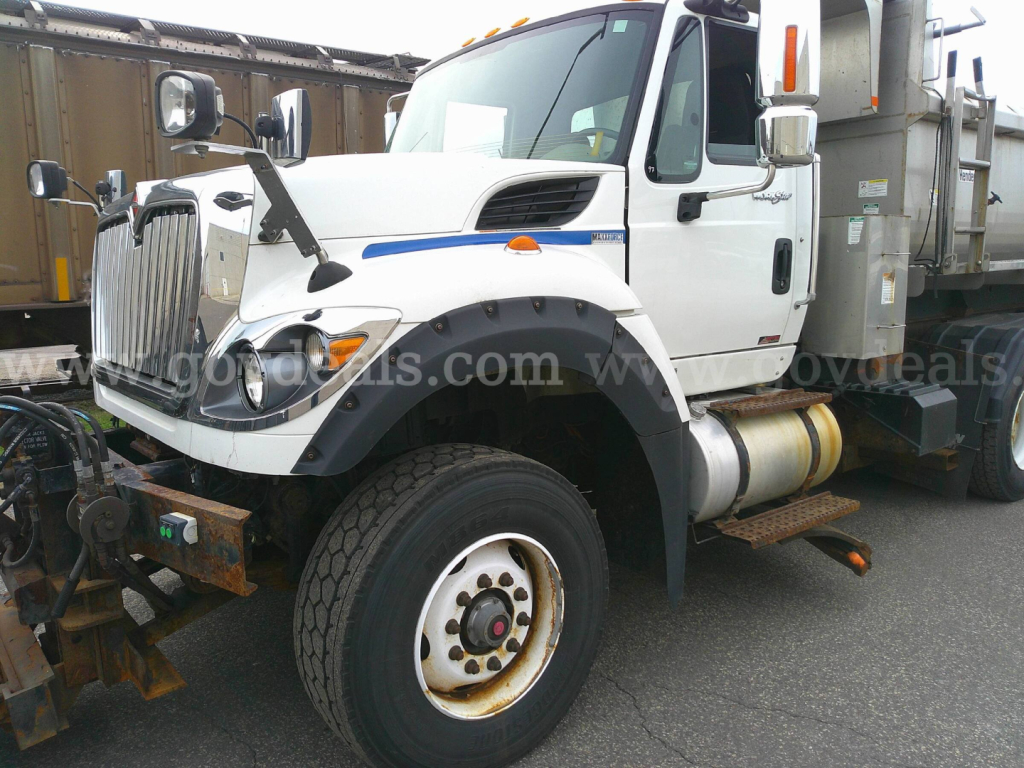
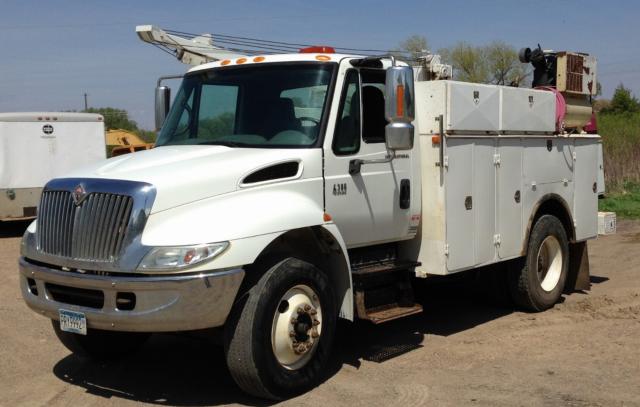
Across the lineup, International covers long haul, regional, and severe-service work common in the Upper Midwest. LT and LoneStar tractors target highway and premium linehaul with aero packages and high-rise sleepers, while RH handles regional and city work with tighter wheelbases and good visibility. HX and HV serve construction, logging, municipal plow, and oilfield support with heavy frame options, front frame extensions, and high-capacity front axles. MV and legacy DuraStar medium-duty models are frequent choices for dry van, reefer, utility service, and grain bodies. Day cabs, mid-roof and hi-rise sleepers, set-forward or set-back axles, and multiple bumper-to-back-of-cab dimensions allow tuning for bridge compliance and maneuverability in metro Twin Cities traffic or rural farm approaches.
Powertrain choice typically comes down to Cummins or International’s A26. The A26 12.4L is a lightweight, quiet option with strong fuel efficiency in regional and linehaul duty. Cummins X15 is common for heavy interstate work, with X12, L9, and B6.7 filling vocational and medium-duty slots. Transmissions span Eaton Fuller manuals, Eaton UltraShift and Endurant AMTs for fuel economy and ease of use, and Allison 3000 or 4000 Series automatics for stop-and-go plow, refuse, and construction duty. Pair axle ratios to routes and tire sizes: downsped highway setups often land in the 2.64 to 3.08 range, mixed regional fleets see 3.25 to 3.55, and off-road or heavy PTO work leans 3.73 and deeper. Full-locking differentials, inter-axle locks, and wheel differential locks are worth the weight in snow season.
Chassis details separate a good Minnesota spec from a great one. International’s Diamond Logic electrical architecture simplifies PTO, plow light, and body integration, reducing upfitter time and wiring headaches. Aero fairings on LT reduce fuel burn across long I-94 and I-35 lanes, while vocational frames offer high RBM options, double-frame configurations, steel or aluminum crossmembers, and corrosion protection that stands up to salt and brine. Safety tech such as Bendix Wingman, lane departure alerts, and electronic stability control is widely available. Telematics through OnCommand Connection gives remote diagnostics and parts forecasting, supported by a dense Upper Midwest service network that keeps tractors, dumps, and municipal rigs turning through peak season.
Frequently Asked Questions about International Trucks in Minnesota
Which International models fit long haul and regional routes in Minnesota?
For long haul with 53 ft vans or reefers, the LT is the efficiency leader and is common with hi-rise sleepers and aero treatments. LoneStar fills a premium driver-focused niche on similar duty. For regional and city delivery, the RH’s maneuverability, visibility, and weight savings make it a solid pick in and around the Twin Cities or Duluth. MV medium-duty trucks handle P&D, utilities, and reefer bodies where shorter wheelbases and lower operating costs matter.
What engine options are typical and how do they compare?
International trucks commonly run the International A26 or Cummins power. The A26 12.4L emphasizes weight savings and quiet operation with strong fuel economy in highway and regional service. Cummins X15 suits heavy interstate pulling and higher GCWs, while X12, L9, and B6.7 cover vocational and medium-duty roles. On older models, be mindful of MaxxForce-era EGR-only systems. Post-2013 N13 and newer A26 with SCR, as well as Cummins SCR systems, generally deliver more predictable aftertreatment performance in cold climates.
What driveline and axle ratios work best for Minnesota conditions?
Match ratios to route speed and terrain. Downsped LTs on interstate lanes often use 2.64 to 3.08 with AMTs for low rpm cruise. Mixed regional duty with frequent stops typically lands at 3.25 to 3.55. Vocational trucks that see jobsite entries, plowing, or logging benefit from 3.73 and deeper with full-locking diffs. Consider 6x4 for traction, automatic traction control, and spec heated wheel ends or hubodometers that tolerate road salt. Air or steel-spring suspensions both work, but vocational operations often favor Hendrickson or Chalmers heavy-duty options for durability.
What cold-weather features should I look for on International trucks in Minnesota?
Key items include 120V block heaters, higher CCA batteries, heated fuel filter bases, upgraded air dryers, arctic washer lines, heated mirrors, winter fronts, and auxiliary cab or bunk heaters to reduce idle. For municipal or utility work, automatic tire chains and high-output alternators help. Engine software that supports fast idle during PTO or warm-up improves DPF temps. Verify coolant concentration and inspect harness routing, connectors, and frame coatings for salt resistance.
What should I evaluate when comparing used International trucks in this region?
Start with service records for engine and aftertreatment, including DOC, DPF, and SCR history. Inspect frame rails, crossmembers, brake lines, and wiring for corrosion from salt and brine. Check cab mounts, radiator supports, and battery boxes. Confirm gear ratios against your duty cycle and tire size, and verify AMT or Allison shift performance on a road test. For vocational chassis, look at PTO plumbing, front frame extensions, plow hardware, and body integration through Diamond Logic to ensure the electrical and hydraulic systems are clean and reliable.