
International Trucks For Sale in Alabama
Shop International trucks for sale in Alabama. Compare medium and heavy-duty models, diesel engines, specs, body styles, and vocational setups.
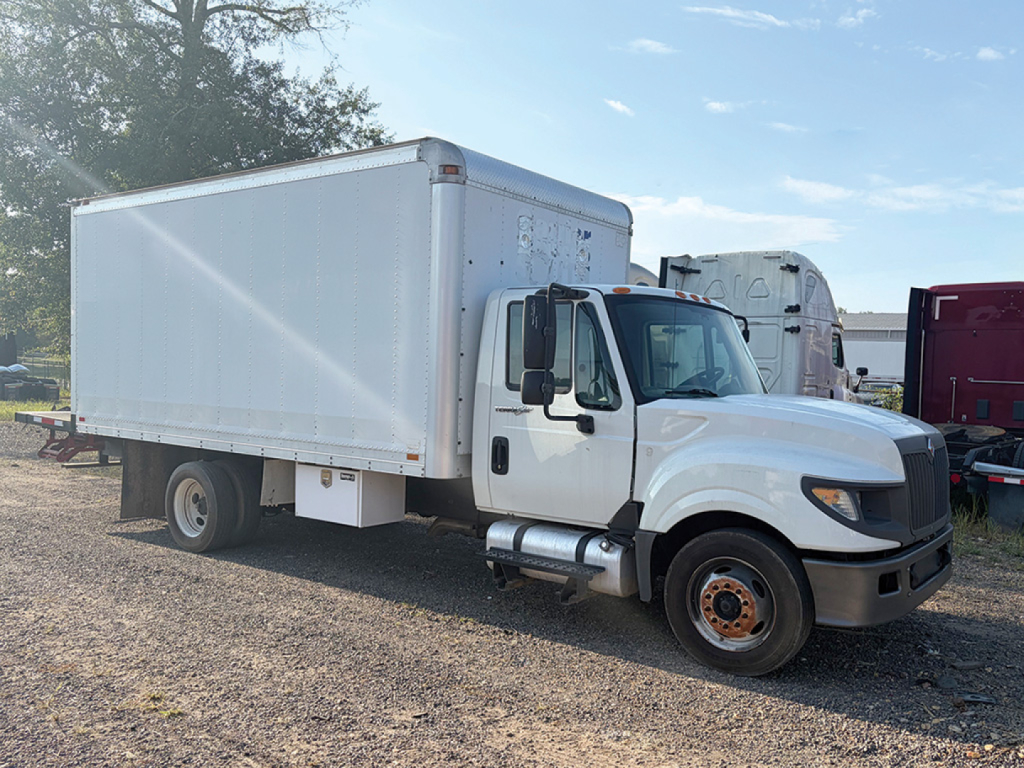
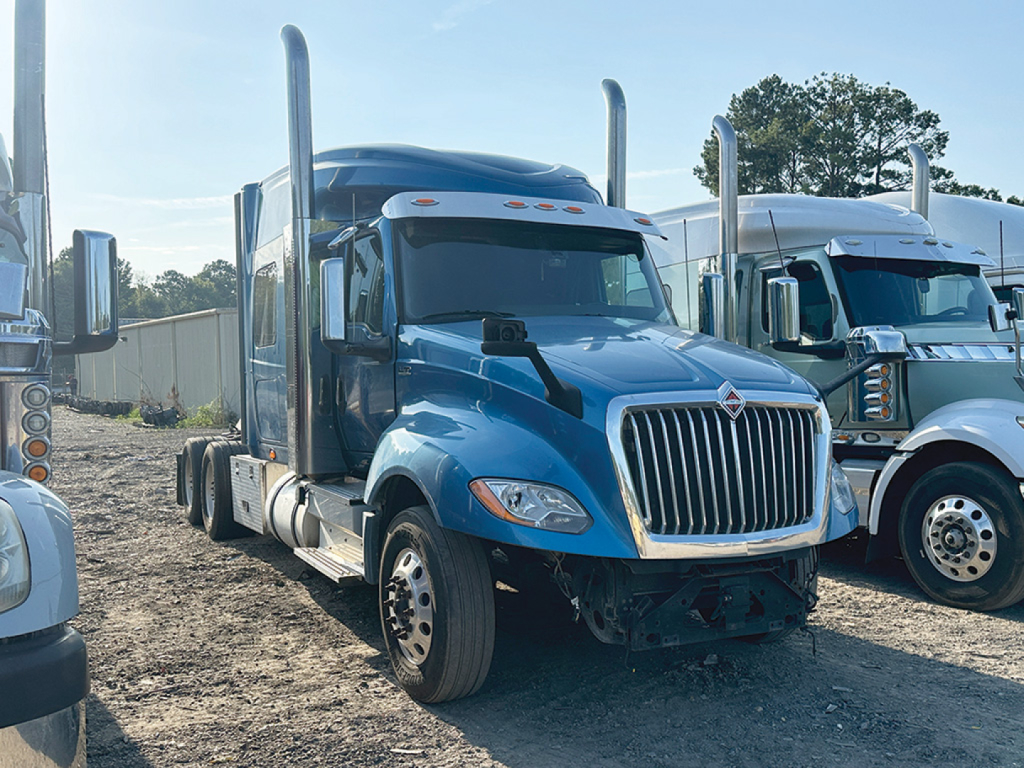
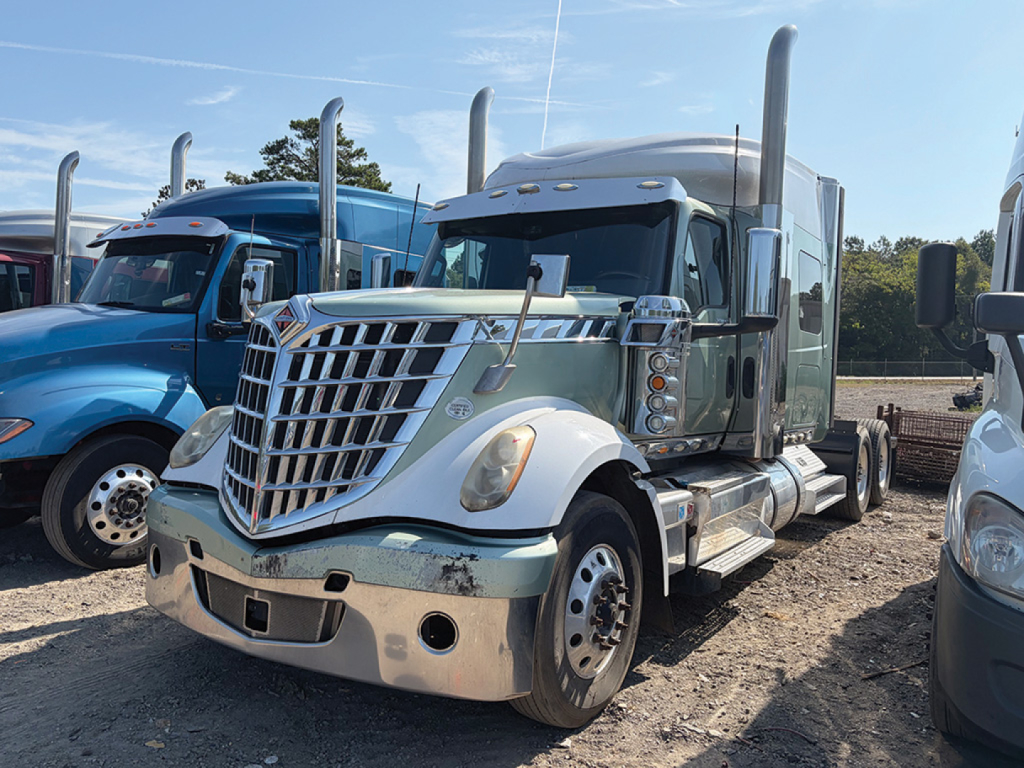

Have international truck to sell? List it here to reach thousands of buyers.
International Trucks in Alabama
The right buying decision starts with class, engine, and intended body style. Medium-duty International trucks like the 4300 and MV models are often used for box trucks, flatbeds, service bodies, and smaller dumps, while heavier vocational platforms such as the 4400, 4700, 4900, and newer HV models are more common in severe-duty work. Engine choices vary by year and application, but buyers frequently see International DT466 and MaxxForce platforms in older units, Cummins diesel options in many later trucks, and automated or manual transmissions depending on the original spec. Front axle rating, rear axle ratio, suspension type, wheelbase, PTO capability, and brake configuration all matter because they determine how well the truck fits a dump bed, tanker, hooklift, crane body, or highway tractor role.
For Alabama operators, corrosion exposure is often less severe than in northern markets, but heat, humidity, stop-and-go use, and off-pavement jobsite miles still affect condition. On used International trucks, pay close attention to frame condition, spring hangers, steering components, hydraulic system operation on vocational bodies, and signs of electrical repairs or emissions-related fault history. If the truck is equipped with a diesel particulate filter, exhaust gas recirculation, or selective catalytic reduction system, maintenance records are especially important. A buyer comparing older pre-emissions trucks to newer models should weigh acquisition cost against compliance, fuel economy, diagnostics capability, and downtime risk.
Cab layout, visibility, and service access are also worth evaluating because they affect daily productivity. International has long been popular with municipalities, contractors, and regional carriers because many models offer straightforward controls, good maneuverability, and broad body-builder compatibility. For truck buyers sorting through multiple listings, the most useful comparison points are GVWR, engine rating, transmission model, axle spacing, suspension, brake type, mileage or hours, and the exact body or fifth-wheel setup already installed. A well-matched International truck can be a durable, versatile platform for construction, delivery, refuse, utility, towing, or regional freight service.
Frequently Asked Questions about International Trucks in Alabama
What are the most common International truck models buyers look for?
Common International truck models include the 4300, 4400, 4700, 4900, MV Series, HV Series, LT Series, and RH Series. The 4300 and MV trucks are often seen in medium-duty delivery and vocational work, while the 4400, 4700, 4900, and HV platforms are more typical in heavier dump, utility, and severe-service applications. LT and RH models are more closely associated with highway and regional tractor use.
Is an International 4300 considered a good choice for vocational work?
The International 4300 is widely used for vocational applications because it can be configured with bodies such as dump beds, van bodies, flatbeds, and service bodies while still offering manageable size and turning radius. Buyers should still confirm axle ratings, wheelbase, PTO provisions, suspension type, and body compatibility, since not every 4300 is spec'd for the same workload. The best fit depends on payload demands and duty cycle, not just the model badge.
What should I check on a used International truck before buying?
Focus on engine and emissions history, transmission operation, steering play, suspension wear, brake condition, frame integrity, and any hydraulic or PTO equipment if the truck has a vocational body. Electrical issues, warning lights, and evidence of repeated aftertreatment repairs deserve close attention on newer diesel trucks. Service records are valuable because they help verify maintenance intervals, past component replacements, and whether recurring problems have already been addressed.
Are International trucks expensive to maintain?
Maintenance cost depends heavily on the model year, engine platform, and operating application. Many buyers consider International trucks practical to maintain because they are common in commercial fleets and parts and service support are generally accessible. Costs can rise on neglected units or on trucks with unresolved emissions, electrical, or hydraulic issues, so condition and documented upkeep matter more than brand alone.
What specs matter most when comparing International trucks for sale?
The most important specs are GVWR, engine make and horsepower, transmission type, front and rear axle ratings, wheelbase, rear axle ratio, suspension, brake setup, and the installed body or fifth-wheel configuration. For vocational use, PTO capability, frame strength, and upfit compatibility are also critical. These details determine payload, drivability, legal operating capacity, and how easily the truck fits the intended job.