
2004 International Trucks For Sale in New York
Browse 2004 International trucks for sale, including medium and heavy-duty models built for dump, vocational, municipal, and on-road work.
Selling a 2004 international truck? List your 2004 international truck for sale and reach thousands of commercial buyers.
2004 International Trucks in New York
The first decision is usually engine and application match. Many 2004 International trucks are equipped with the DT466, one of the best-known medium-duty diesel platforms in the market, valued for wet-sleeve serviceability and good parts support. Heavy-duty vocational models may carry larger International engines and driveline combinations suited for higher GVWR work, often paired with Fuller manuals or Allison automatics. Buyers should look closely at horsepower, torque curve, rear axle ratio, suspension type, and PTO compatibility if the truck will run a dump body, plow gear, tanker, hoist, blower, or other hydraulic equipment. On dump and municipal units, front axle rating, frame condition, double-frame configuration, and evidence of prior upfit work matter as much as the engine itself.
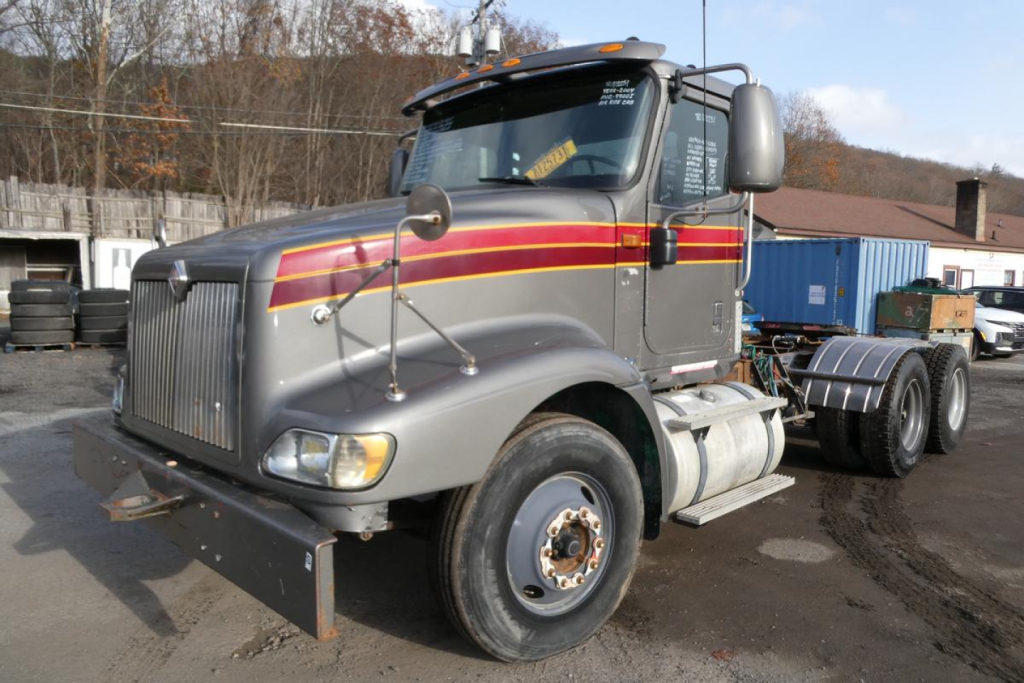
For a used 2004 International truck in the Northeast, rust and chassis corrosion deserve a hard inspection. Pay attention to cab mounts, spring hangers, crossmembers, brake lines, fuel tanks, electrical connectors, body supports, and plow attachment points if equipped. On road tractors and straight trucks alike, check transmission operation, clutch wear, suspension bushing condition, steering play, and brake system health. If the truck has an Allison automatic, confirm shift quality under load and PTO operation where applicable. If it has a manual transmission, verify low-speed engagement, driveline vibration, and whether the gearing fits the intended route profile. Mileage is only part of the story on older Internationals. Idle hours, municipal stop-start duty, and seasonal snow work can tell you more about remaining life than the odometer alone.
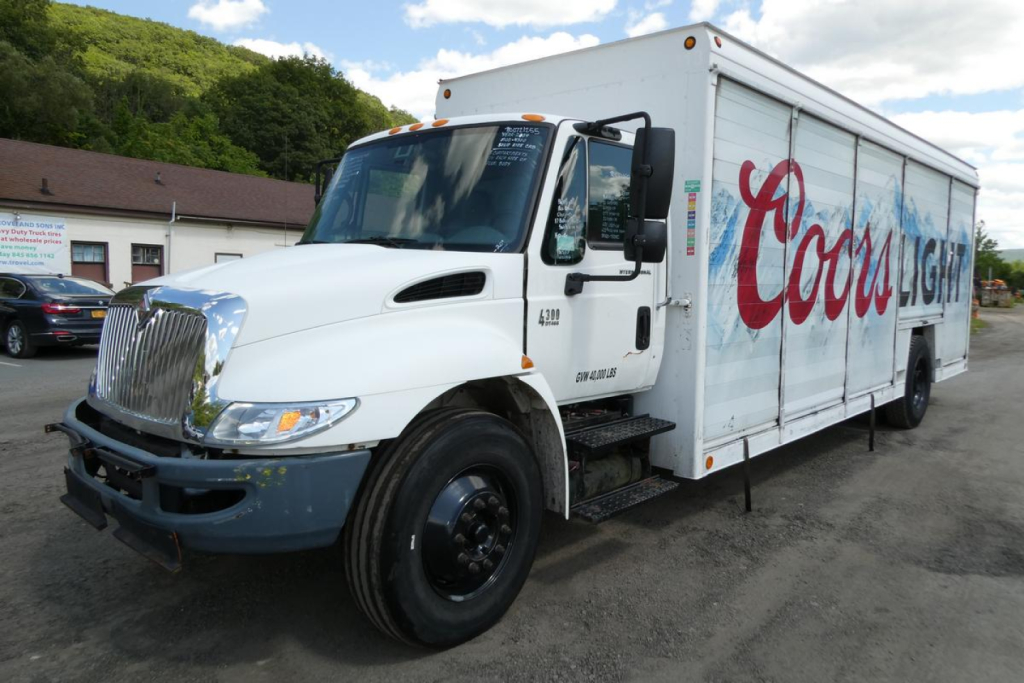
Body and wheelbase layout are just as important as year and make. A 2004 International cab and chassis may be a better value than a fully outfitted truck if you need a specific body length, cab-to-axle measurement, or axle spread for your operation. Buyers comparing dump, box, water, beverage, and vocational configurations should confirm GVWR, usable payload, wheelbase, tire size, brake type, and frame height before assuming a body swap or repurpose will be simple. International trucks from this era are still widely used because the platforms are familiar to technicians, parts channels remain strong, and the chassis can handle a broad range of commercial jobs when spec and condition line up correctly.
Frequently Asked Questions about 2004 International Trucks in New York
What are the most common applications for a 2004 International truck?
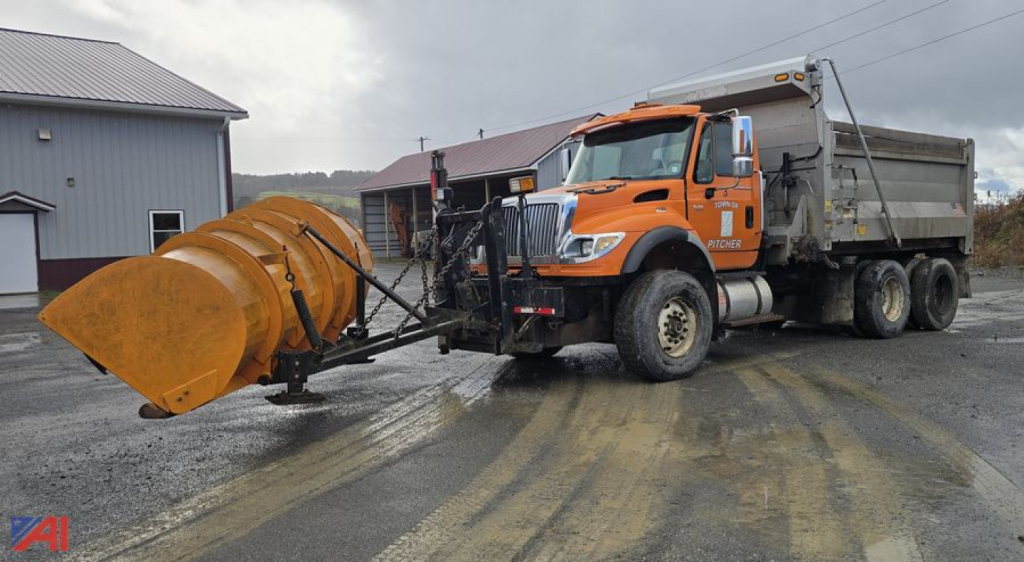
A 2004 International truck is commonly used for dump work, municipal snow and ice service, local delivery, beverage routes, utility work, water tank service, and general cab and chassis applications. This model year appears in both medium-duty and heavy-duty configurations, so the actual use case depends on axle ratings, frame spec, transmission choice, PTO equipment, and body type. Many buyers target these trucks for vocational work because International offered chassis that adapted well to plows, dump bodies, service bodies, and specialty upfits.
Is the DT466 a good engine in a 2004 International truck?
The DT466 is generally considered one of the strongest reasons to buy a 2004 International medium-duty truck. It is well known for durability, wet-sleeve rebuildability, and broad parts availability. Condition still matters more than reputation, so buyers should verify blow-by, cold-start behavior, injector performance, cooling system health, oil leaks, and maintenance records. A well-kept DT466 can be a major advantage in an older truck, especially for local and regional vocational service.
What should I inspect first on a used 2004 International truck in New York?
Start with frame and corrosion. New York trucks often see snow, road salt, and municipal duty cycles that accelerate rust on frames, crossmembers, brake components, wiring, cab mounts, and body hardware. After that, inspect the engine, transmission, steering, suspension, and hydraulic or PTO systems if equipped. For dump and plow trucks, pay special attention to front axle loading, plow mount repairs, hoist condition, and signs of hard seasonal use. A strong mechanical truck can still become an expensive project if the chassis and structure are heavily corroded.
Are 2004 International trucks good for body swaps or repurposing?
They can be, especially when the truck is a straight cab and chassis with a usable wheelbase, clean frame rails, and the right cab-to-axle dimension. Many buyers repurpose these trucks into dumps, flatbeds, service trucks, landscape bodies, or specialty municipal units. The key is verifying frame condition, GVWR, axle capacity, brake system compatibility, PTO provisions, and whether the existing suspension and gearing match the intended body and payload. A low-priced chassis can become costly if the dimensions or frame layout do not support the planned upfit.
How do I choose between a medium-duty and heavy-duty 2004 International truck?
Choose based on payload, terrain, body type, and duty cycle. A medium-duty International is often the better fit for local delivery, lighter dump work, beverage service, and utility applications where maneuverability matters. A heavy-duty model makes more sense for severe-service dump work, plow operations, heavier trailers, or jobs that need stronger front axle ratings, double-frame construction, and higher-capacity driveline components. Matching the truck's original spec to the work is usually more important than simply buying the biggest chassis available.