
2000 International Trucks For Sale in New York
Browse 2000 International trucks for sale in New York, including medium-duty and heavy-duty models for hauling, delivery, dump, and vocational work.
Learn more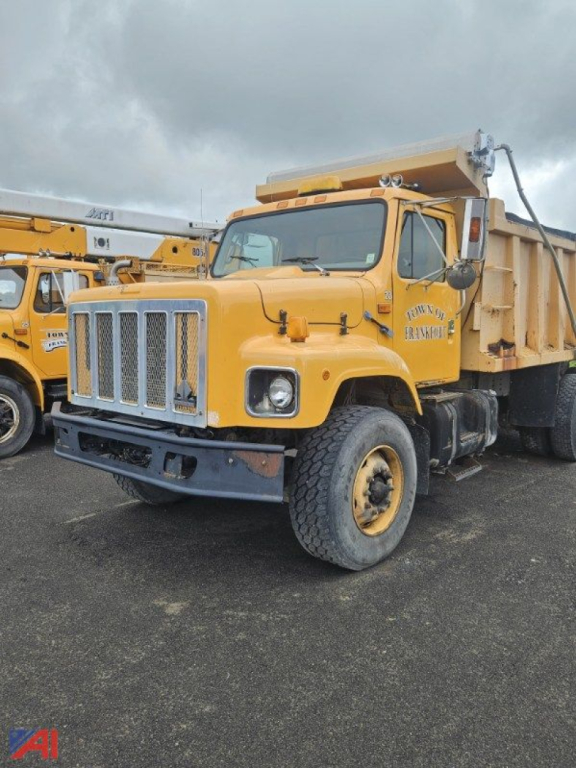
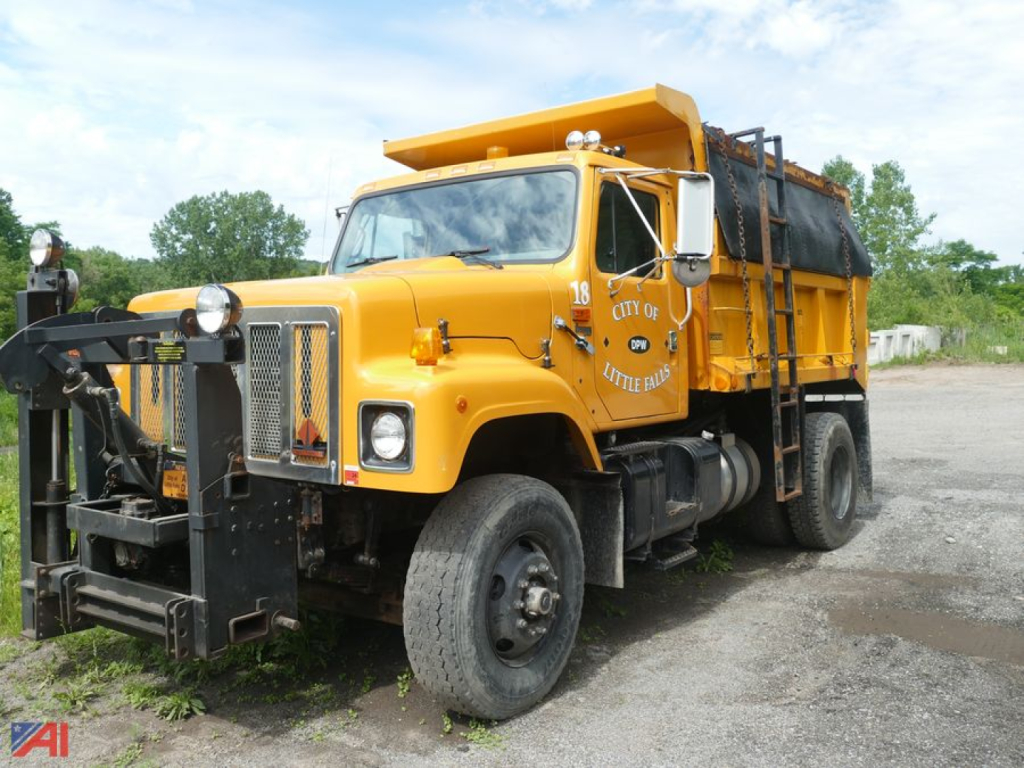
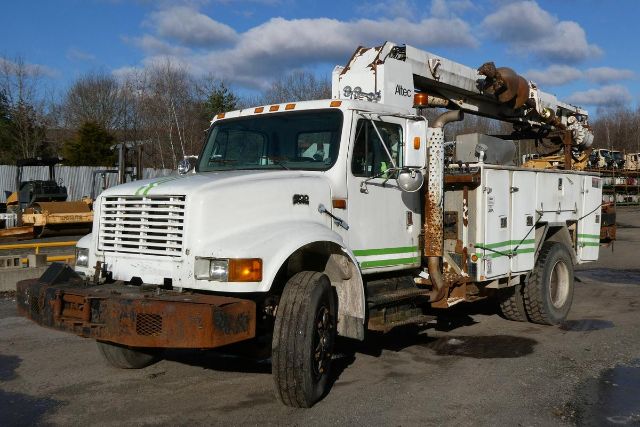
Have 2000 international truck to sell? List it here to reach thousands of buyers.
About 2000 International Trucks in New York
Engine and drivetrain choices matter more than the badge alone on older International trucks. Depending on model and original application, a 2000 International may be powered by International diesels, Cummins, or other commercial engine options common to the period, paired with manual transmissions such as 5-speed, 6-speed, 9-speed, 10-speed, or heavier vocational gearboxes. Rear axle ratings, suspension type, and ratio will tell you a lot about how the truck was intended to work. A low numeric ratio may suit highway use, while dump, flatbed, or municipal trucks often carry deeper gearing for startability and PTO operation. If the truck is equipped for body work, confirm PTO setup, frame condition, crossmember integrity, and any signs of prior upfitting or frame modifications.
For buyers in New York, regional use history is a major factor. Snow, road salt, municipal duty cycles, and seasonal stop-and-go work can affect cab mounts, doors, floors, spring hangers, brake lines, wiring, and frame rails. Rust evaluation is not optional on a 2000 model year truck, especially around the undercarriage, suspension attachment points, and body mounts. Odometer readings on older commercial trucks only tell part of the story, so look closely at engine hours, maintenance records, cold-start behavior, blow-by, clutch feel, steering play, suspension wear, and brake condition. On body-equipped trucks such as dumps, flatbeds, and step vans, buyers should also inspect hoists, bed floors, hinges, headboards, bulkheads, roll-up doors, and any hydraulic components.
International trucks from this period remain relevant because they cover a broad span of jobs without the electronics complexity found in newer units. That can make them attractive for farm use, local hauling, backup fleet service, export, or specialized vocational work where simplicity and parts availability still matter. The best fit depends on matching GVWR, axle ratings, cab style, and body type to the job. A delivery route truck needs different specs than a tandem dump or flatbed with lift axle. Buyers who compare drivetrain, frame, rust condition, and intended application carefully usually make the best choice in this equipment class.
Frequently Asked Questions
What should I check first on a 2000 International truck?
Start with the truck's intended application, then verify engine, transmission, axle ratings, wheelbase, and frame condition. On a 2000 model, rust, maintenance history, and signs of hard vocational use are usually more important than appearance. Inspect frame rails, cab mounts, brake and fuel lines, suspension points, tires, and any PTO or hydraulic equipment. If possible, compare odometer miles with engine hours and service records to get a clearer picture of wear.
Are 2000 International trucks good for vocational work?
Yes, many 2000 International trucks were built for vocational service such as dump, flatbed, municipal, and utility work. Their appeal is often their simpler mechanical layout and broad range of chassis configurations. The key is confirming that the truck was originally spec'd for the work you need. Pay close attention to axle capacity, suspension, frame reinforcement, PTO provisions, and the condition of any mounted body or hydraulic system.
What engines are common in older International trucks?
Engine availability varies by model and original spec, but older International trucks commonly appear with International diesel engines and Cummins power in many medium-duty and heavy-duty applications. The best engine choice depends on service history, parts support in your area, and the type of work the truck will do. Buyers should evaluate cold starts, smoke, leaks, blow-by, and overall maintenance condition rather than relying only on engine brand.
Is rust a major concern on used International trucks in New York?
Yes, rust is one of the biggest concerns on older trucks operating in New York. Road salt and winter service can cause significant corrosion on frames, crossmembers, cab supports, brake components, electrical connections, and body mounts. Surface rust is common, but scaling, perforation, or repairs in structural areas require close review. A thorough underbody inspection is especially important on municipal, plow, dump, and delivery units that may have seen repeated winter exposure.
How do I choose the right 2000 International truck configuration?
Match the truck's GVWR, axle setup, wheelbase, and body style to the actual load and route requirements. A step van or box-style chassis is better suited to delivery work, while a flatbed, dump, or tandem day cab may fit hauling and construction use. Transmission choice, rear axle ratio, and suspension type also affect performance. Buyers should think in terms of payload, terrain, PTO needs, turning radius, and service access before comparing trucks by price alone.