
Commercial Trucks For Sale Near Indianapolis, Indiana
Have commercial truck to sell? List it here to reach thousands of buyers.
Commercial Trucks Near Indianapolis, Indiana
Powertrain and chassis details deserve close attention on any used truck. Engine make and displacement, horsepower, torque rating, transmission type, rear axle ratio, suspension, and brake setup all affect operating cost and job fit. A truck with a larger-displacement diesel and a 13-speed manual, for example, suits a very different workload than an automatic medium-duty unit built for urban stops. Buyers should also verify miles, engine hours, PTO capability, emissions system history, and whether major components are original, rebuilt, or remanufactured. If the truck is a vocational model, check the condition of the work body, tank, compressor, crane, pump, hose reel, or tool storage along with the chassis itself.
Indianapolis and central Indiana operators often need trucks that can handle a mix of interstate travel, local service routes, and seasonal weather. That makes rust, frame condition, cab corrosion, brake wear, tire condition, and suspension health especially important. On heavier trucks, look at tandem versus single axle layout, fifth wheel setup if applicable, and any lift axle equipment. On straight trucks, confirm body length, cab-to-axle measurement, and turning radius. Maintenance records, documented engine work, and signs of proper fleet servicing can tell you more about long-term value than model year alone.
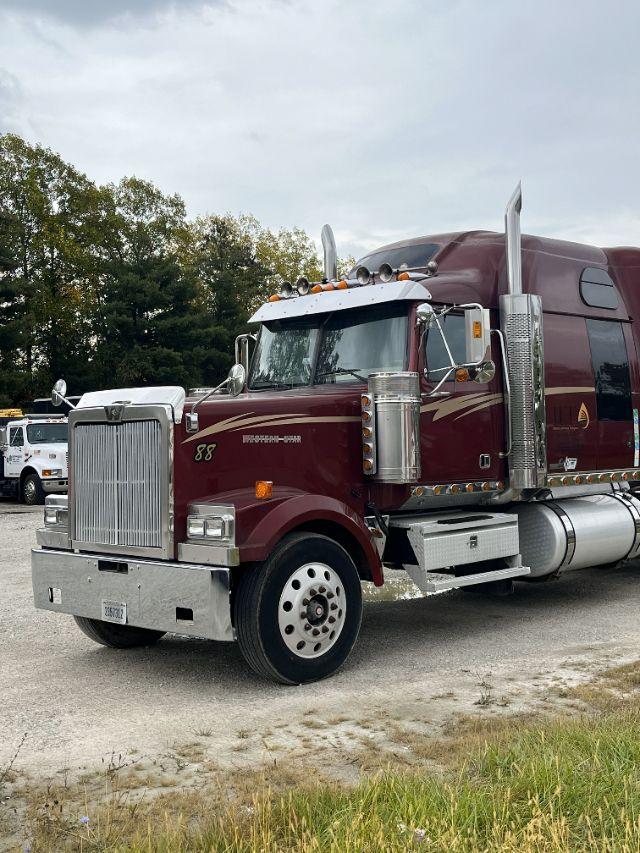
A broad trucks for sale category can include light-duty, medium-duty, and heavy-duty equipment, so buyers should narrow the search by actual job requirement. Payload, towing demand, CDL class, bridge law considerations, and route type should drive the decision. Common makes in this space include Western Star, Freightliner, Peterbilt, Kenworth, International, Mack, and Ford, but the better buy is the truck with the right spec and service history for the work. A properly matched truck will reduce downtime, control maintenance expense, and perform better over the long haul than a unit chosen on price alone.
Frequently Asked Questions about Commercial Trucks Near Indianapolis, Indiana
What should I look at first when comparing used trucks for sale?
Start with the truck's intended job and match that to the core specs. The most important items are GVWR, axle configuration, wheelbase, engine rating, transmission, suspension, brake type, and any installed body or vocational equipment. After that, review mileage, engine hours, maintenance records, emissions system history, tire condition, and frame or cab corrosion. A truck that is correctly spec'd for the work is usually a better purchase than one that simply has a lower price or newer model year.
How important are engine make, displacement, and transmission on a used truck?
They are critical because they directly affect performance, fuel economy, serviceability, and resale value. Larger-displacement diesel engines generally suit heavier loads and more demanding duty cycles, while smaller engines can be more efficient in lighter regional or local applications. Transmission choice also matters. A manual or automated manual may be preferred in certain heavy-duty applications, while a full automatic can be better for stop-and-go routes or driver turnover. Buyers should also confirm whether the engine is original, overhauled, rebuilt, or remanufactured.
What is different about buying a vocational truck versus a standard highway truck?
A vocational truck should be evaluated as both a chassis and a piece of working equipment. In addition to the engine, transmission, axles, and frame, inspect the body or upfit closely. That may include tanks, pumps, PTOs, cranes, compressors, hose reels, tool compartments, and electrical systems. The condition and compatibility of the installed equipment can have a major impact on usable value, especially if the truck is intended for field service, lubrication, construction support, or municipal work.
Are trucks in Indianapolis and Indiana affected by regional operating conditions?
Yes. Trucks in Indiana often see a mix of highway miles, city driving, jobsite use, and winter weather exposure. That makes rust, corrosion, brake condition, suspension wear, and tire quality especially important during evaluation. Buyers should pay close attention to frame rails, crossmembers, cab mounts, wiring, air tanks, and underbody components. A truck that has been maintained well in this environment can still be a strong purchase, but regional wear should never be ignored.