
Commercial Trucks For Sale Near Humboldt, Iowa
Have commercial truck to sell? List it here to reach thousands of buyers.
Commercial Trucks Near Humboldt, Iowa
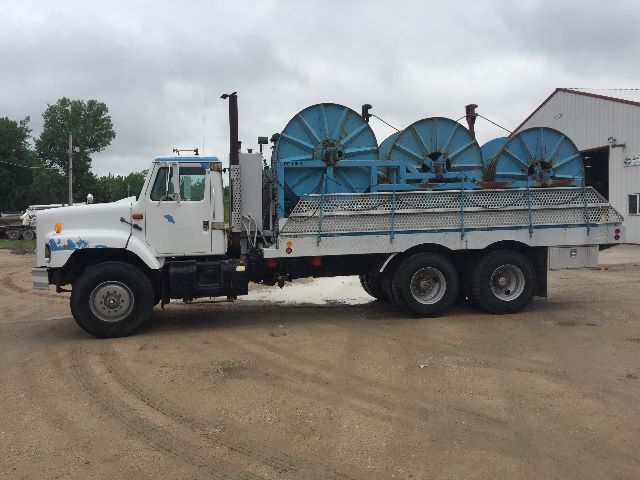
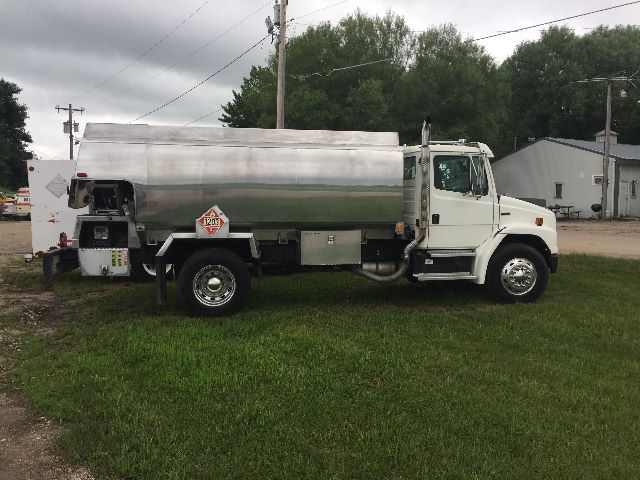
For many buyers, the body and upfit matter as much as the cab and engine. Fuel and lube trucks are typically selected based on tank capacity, pump system, meter setup, hose reel arrangement, and compartment storage for grease, DEF, or service fluids. Water trucks are often judged by gallon capacity, spray heads, pump type, corrosion resistance, and how well the chassis handles shifting liquid loads. Service and utility trucks should be evaluated for crane or compressor compatibility, reel systems, drawer and cabinet layout, payload capacity, and PTO-driven equipment. If the truck has a specialized body, replacement parts availability and upfit service support can be just as important as engine make.
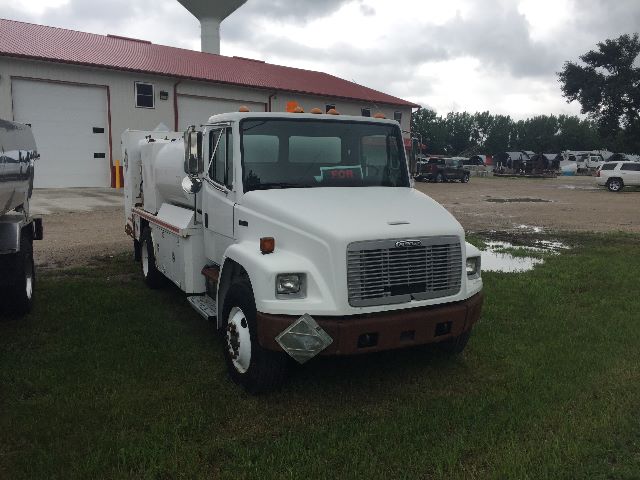
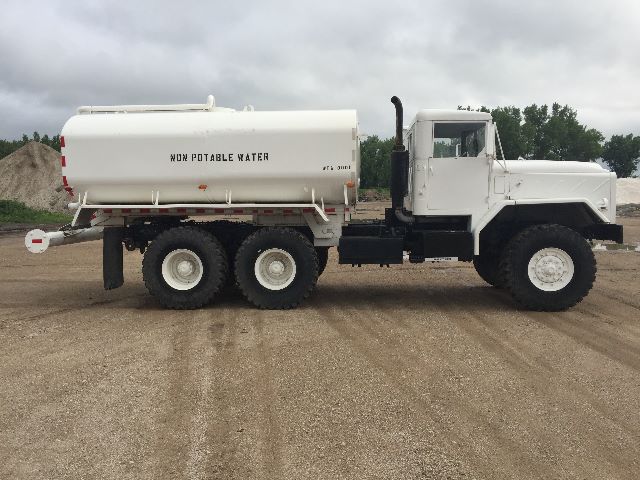
On the chassis side, buyers should pay close attention to engine family, horsepower, torque curve, transmission type, brake system, tire condition, and wheelbase. Medium-duty platforms such as Freightliner FL-series or International vocational models are common because they balance maneuverability with body capacity and lower operating cost. Heavier trucks, including military-derived 6x6 platforms, are often chosen for extreme traction, rugged frames, and off-road durability, but they can bring different parts sourcing, registration, and ride considerations. In Iowa and across the Midwest, frame rust, wiring condition, PTO operation, hydraulic leaks, and cold-weather starting performance are worth inspecting closely, especially on older vocational trucks.
The best truck in this category is the one that fits the job without carrying unnecessary chassis or body cost. A buyer comparing trucks should look beyond mileage alone and focus on service history, legal hauling or tank configuration, engine hours on PTO-equipped units, and how the truck was actually used. A low-mileage truck with heavy idle or pump hours can wear differently than a higher-mileage road-operated unit. Clear title status, brake and tire condition, tank integrity, and the functionality of all mounted equipment should be verified before purchase, especially on specialty trucks where downtime usually comes from the body system rather than the engine.
Frequently Asked Questions about Commercial Trucks Near Humboldt, Iowa
What should I look at first when comparing trucks for sale in this category?
Start with the truck’s actual job assignment. Body type, GVWR, axle setup, PTO capability, and payload or tank capacity usually matter more than brand alone. A fuel truck, water truck, or service truck needs the correct chassis rating and wheelbase to safely support the body and its operating loads. After that, review engine and transmission specs, condition of brakes and tires, hydraulic or pump system operation, and any signs of frame corrosion or wiring issues.
How important are PTO hours on a vocational truck?
PTO hours are very important on trucks with pumps, reels, compressors, cranes, or other auxiliary systems. A truck with modest road mileage can still have significant wear if it spent long periods idling while operating body equipment. PTO and engine hours help explain wear on pumps, hydraulic components, cooling systems, and the engine itself. On service, fuel, and water trucks, operating hours can be just as important as odometer mileage.
Are older specialty trucks still a good buy?
They can be, especially when the chassis is mechanically sound and the body equipment has been maintained. Many older vocational trucks were built with durable frames, simpler emissions systems, and proven drivetrains. The main concerns are rust, hose and seal age, pump condition, tank integrity, electrical repairs, and parts support for specialized upfits. A careful inspection matters more than model year alone when the truck is built for a specific task.
What is the difference between a fuel truck and a water truck from a buying standpoint?
A fuel truck is usually evaluated around tank compliance, product capacity, pumping and metering equipment, hose reels, and safety components for handling fuel. A water truck is judged more by tank size, baffling, pump output, spray system layout, and how the chassis manages liquid surge on and off road. Both require close attention to tank condition and plumbing, but the legal, safety, and application requirements are different enough that the body system should drive the buying decision.
Why do axle configuration and wheelbase matter on commercial trucks?
Axle configuration and wheelbase affect payload distribution, turning radius, ride quality, body fitment, and jobsite performance. A shorter wheelbase can improve maneuverability for city or yard work, while a longer wheelbase may be necessary for larger tanks or utility bodies. Single-axle trucks often cost less to run and maintain, but tandem or 6x6 setups can provide higher capacity or better traction. The correct chassis layout helps the truck perform safely and efficiently in its intended application.