
Commercial Trucks For Sale Near Houston, Texas

Have commercial truck to sell? List it here to reach thousands of buyers.
Commercial Trucks Near Houston, Texas
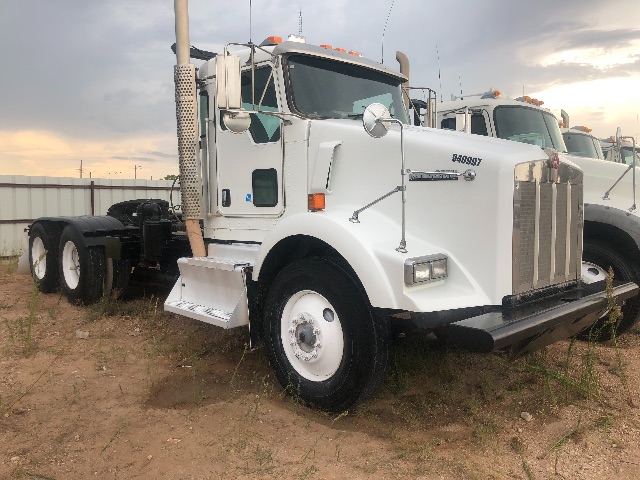
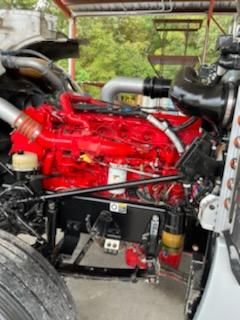
A good starting point is the powertrain. Late-model highway tractors commonly run in the 400 to 500 horsepower range, with engines such as the Detroit DD13 and DD15 paired to automated manual transmissions like the DT12. That setup is popular because it balances fuel economy, driver acceptance, and serviceability. Rear axle ratings of 40,000 pounds are typical on tandem axle sleepers and day cabs, and axle ratios like 2.41 or 3.25 can tell you a lot about intended use. A lower numerical ratio generally favors fuel-efficient linehaul work, while a higher ratio can better support stop-and-go service, heavier starts, or regional applications. Wheelbase, fifth wheel slide travel, suspension type, and brake spec also deserve close attention because they directly affect trailer compatibility, turning radius, and maintenance cost.
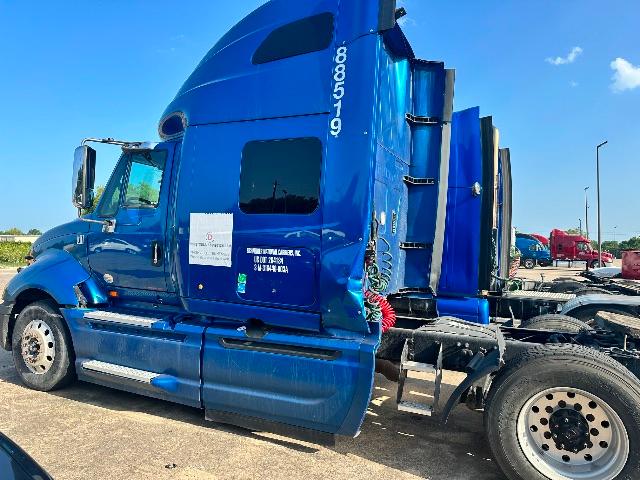
For long-haul buyers, sleeper size and aerodynamics matter as much as engine rating. Raised roof sleepers in the 60 to 72 inch class are common for over-the-road operations and often include upper bunks, bunk heaters, fairings, and cab extenders for improved driver comfort and fuel efficiency. Day cabs usually trade those features for a shorter wheelbase and easier docking in tight yards or urban freight environments. Houston-area operators should also pay attention to cooling system condition, A/C performance, and idle-management features because heat, humidity, and heavy traffic put real stress on both the truck and the driver. Disc brakes, collision mitigation systems, cruise control, and power convenience features have become more common on newer trucks and can improve both safety and resale appeal.
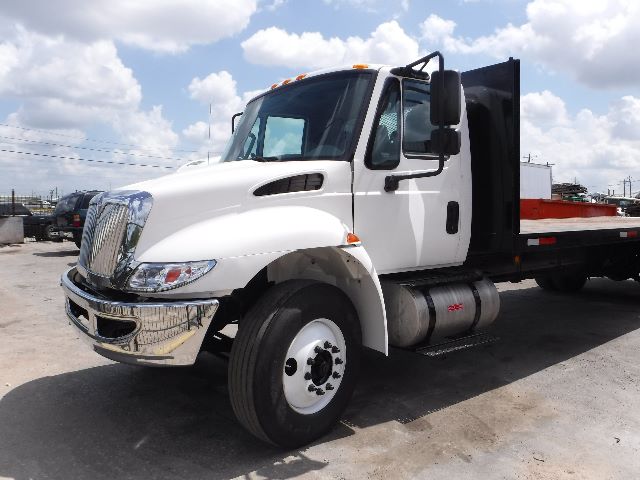
The right truck comes down to freight, lane length, and total cost per mile. Buyers comparing used trucks should look beyond model year and focus on engine brake function, emissions system history, transmission calibration, tire and wheel spec, suspension wear, and service records. Fuel tank capacity, low-profile versus standard rubber, and an air-slide fifth wheel can all affect day-to-day usability. For Houston operations, it also helps to match the truck to the freight network it will actually run, from local container moves and refinery support to interstate dry van, reefer, and flatbed lanes. A truck that is properly geared, properly spec'd, and matched to the job will usually outperform a newer truck with the wrong configuration.
Frequently Asked Questions about Commercial Trucks Near Houston, Texas
What is the difference between a day cab truck and a sleeper truck?
A day cab truck has no rear sleeping compartment and is typically used for local or regional hauling where the driver returns home regularly. A sleeper truck includes a built-in bunk area behind the seats, often with storage and climate-control features, and is intended for overnight or long-haul use. Day cabs usually have a shorter wheelbase and lower empty weight, while sleepers offer more driver comfort and greater fuel capacity for over-the-road routes.
What horsepower range is common for used highway trucks?
Most modern used highway tractors fall in the 400 to 500 horsepower range, which is enough for general dry van, reefer, and many flatbed applications. Engines in this range are designed to balance pulling power with fuel economy, especially when paired with the correct rear axle ratio. Buyers hauling heavier freight or running more demanding terrain may want to focus on torque ratings and gearing just as much as published horsepower.
Why does rear axle ratio matter when buying a truck?
Rear axle ratio affects launch performance, cruising RPM, gradeability, and fuel economy. A ratio such as 2.41 is generally associated with fuel-efficient highway speeds and linehaul work, while a ratio like 3.25 can provide stronger low-speed pulling power and may better suit regional or stop-and-go applications. The best choice depends on trailer weight, route profile, average speed, and transmission spec, not just the number itself.
What should buyers inspect first on a used truck in Texas?
Start with maintenance history, emissions system records, engine and transmission fault codes, brake condition, tire wear, and suspension components. In Texas, A/C performance and cooling system health are especially important because heat and long idle periods can expose weak components quickly. It is also smart to verify wheelbase, fifth wheel setup, fuel tank size, and axle ratings so the truck matches the trailers and freight it will actually handle.
Are automated manual transmissions a good choice in used semi trucks?
Automated manual transmissions are now standard in much of the highway truck market because they improve consistency, reduce driver fatigue, and can help support fuel economy targets. Units such as the DT12 are common in fleet-spec tractors and are generally well accepted when properly maintained and calibrated. Buyers should still confirm clutch life, software updates, and shift performance on a road test, especially in trucks that have seen heavy urban or regional duty.