
Peterbilt Hot Shot Trucks For Sale
Browse Peterbilt hot shot trucks for sale. Learn common specs, payload factors, drivetrain options, and what to inspect before buying.
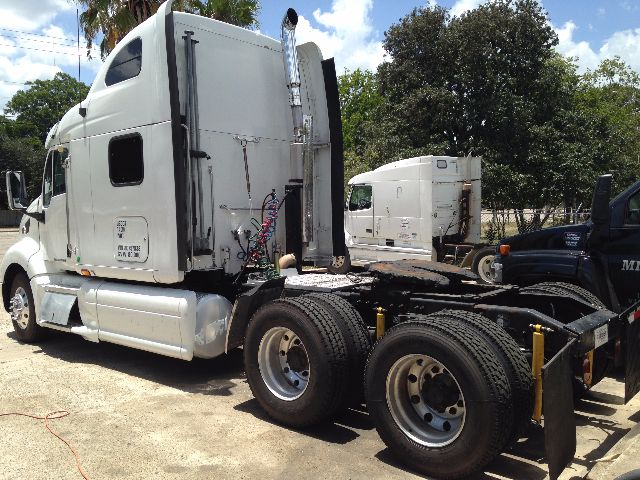
Selling a peterbilt hot shot truck? List your peterbilt hot shot truck for sale and reach thousands of commercial buyers.
Peterbilt Hot Shot Trucks
Cab and chassis layout should match the lanes you run. A day cab keeps weight down and improves maneuverability for local and regional work, while a small sleeper can make sense for longer expedited runs. Transmission spec is another major factor. Some operators prefer manual gearboxes for durability and control under load, while others want an automated transmission for easier urban driving and reduced driver fatigue. Pay close attention to suspension type, brake configuration, fuel capacity, and front axle set-up, especially if the truck will spend time on rough lease roads, oilfield routes, or mixed highway service.
Compared with lighter pickup-based hot shot rigs, a Peterbilt hot shot truck can offer a more commercial platform with stronger frame rails, better serviceability, and a cab designed for higher annual miles. Buyers should still verify the truck's actual empty weight, because curb weight directly affects payload and trailer options. Look closely at tire condition, driveline wear, frame modifications, hitch installation quality, and any evidence of prior collision or axle repair. If the truck has been used hard in energy, construction, or recovery work, inspect suspension components, alignment, brake wear, and crossmember integrity before making a decision.
The best Peterbilt hot shot truck is the one that balances payload, reliability, and operating cost for the freight you actually haul. Buyers moving equipment, pallets, building materials, or time-sensitive LTL loads should compare axle ratios, horsepower, torque, and cooling capacity against expected trailer weight and terrain. A truck spec'd too light will struggle under constant load, while a heavier truck may give up payload and efficiency. Peterbilt remains a strong choice in this category because of its driver-focused cab design, durable chassis options, and reputation in commercial hauling applications.
Frequently Asked Questions about Peterbilt Hot Shot Trucks
What is a Peterbilt hot shot truck used for?
A Peterbilt hot shot truck is commonly used for expedited freight, gooseneck trailer hauling, equipment transport, and regional commercial loads that need more capability than a pickup-based setup. Many are used in construction, oilfield support, agricultural hauling, and LTL freight where a commercial chassis, higher durability, and longer service life are important.
What should I check before buying a used Peterbilt hot shot truck?
Focus on axle ratings, GVWR, empty weight, hitch or towing setup, engine hours or mileage, transmission condition, and service history. Also inspect frame rails, crossmembers, suspension, brakes, tires, driveline components, and alignment. If the truck has a rebuilt title or prior damage history, confirm the quality of repairs and check for uneven tire wear, axle tracking issues, and signs of structural repair.
Is a Peterbilt hot shot truck better than a pickup-based hot shot rig?
A Peterbilt hot shot truck can be a better fit when the work demands a true commercial platform, higher durability, and better long-term serviceability. It may provide stronger chassis construction, better cab ergonomics, and more robust drivetrain options. The tradeoff is typically higher empty weight, which can reduce payload depending on the truck and trailer combination.
Which engine and transmission specs matter most in this category?
Torque, horsepower, axle ratio, and transmission type are the main performance factors. A Cummins engine is common and widely supported in the service market. Buyers should match engine output and gearing to trailer weight, terrain, and average trip length. A truck running frequent highway miles under steady load may need a different spec than one doing stop-and-go regional work or off-pavement jobsite hauling.
How does empty weight affect a Peterbilt hot shot truck?
Empty weight directly affects how much legal payload remains once the truck is paired with a trailer and cargo. A heavier truck can offer durability and stability, but it may reduce revenue-producing capacity on weight-sensitive loads. Buyers should compare the truck's actual scale weight against intended trailer type, freight profile, and state or federal weight limits before purchase.