
International Hot Shot Trucks For Sale
Shop International hot shot trucks built for gooseneck towing, CDL-adjacent payloads, and versatile expedited hauling applications.
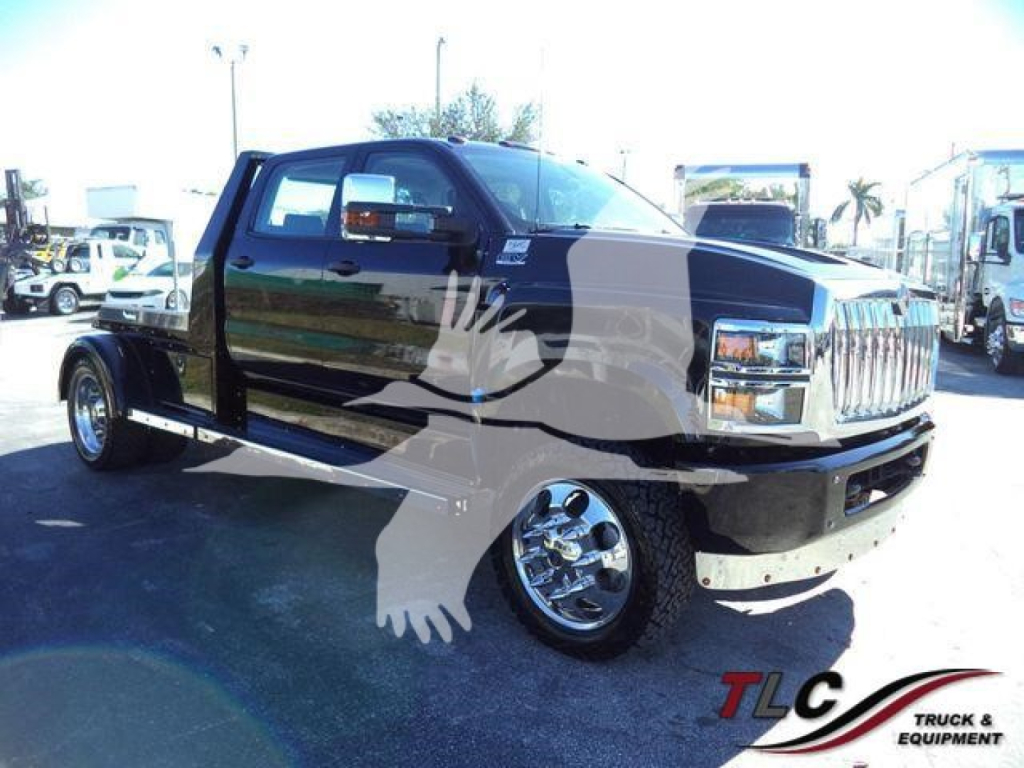
Selling a international hot shot truck? List your international hot shot truck for sale and reach thousands of commercial buyers.
International Hot Shot Trucks
One of the first decisions is chassis and weight rating. Many International hot shot trucks in this class carry a GVWR around 19,500 pounds, which gives buyers a substantial platform for towing while still keeping the truck compact enough for tighter jobsite access and regional work. Powertrain specs often include the 6.6L Duramax diesel paired with an Allison automatic transmission, a combination that is well known for dependable torque delivery, serviceability, and strong real-world towing manners. Four-wheel drive is common on these trucks and matters for buyers working on lease roads, gravel yards, farms, or winter routes where traction can make or break uptime.
Body equipment is just as important as the chassis. A typical International hot shot setup may include an 8-foot aluminum hauler platform, diamond deck, blade rails, full fenders, LED work lighting, a 3-inch receiver tube, 7-way RV plug, and a gooseneck ball. Aluminum beds help control curb weight and resist corrosion, which is valuable for operators trying to preserve payload and reduce long-term body maintenance. Buyers should look closely at bed layout, toolbox capacity, rear deck usability, hitch placement, and wiring provisions for electric-over-hydraulic or electric trailer brakes. If the truck will spend most of its time under a loaded gooseneck, rear suspension behavior, tire load rating, and axle ratio deserve as much attention as engine output.
Cab configuration also affects productivity. Crew cabs are common for buyers carrying a field crew or extra gear, while simpler layouts may favor weight savings and maneuverability. Inside the cab, practical commercial features matter more than cosmetic trim levels: HVAC performance, seating durability, switchgear placement, trailer camera compatibility, and upfitter-friendly electrical architecture all have a direct effect on daily use. For buyers comparing International hot shot trucks, the key is matching the truck's GVWR, hitch setup, drivetrain, and bed equipment to the trailer, route profile, and freight type the truck will handle every week.
Frequently Asked Questions about International Hot Shot Trucks
What is an International hot shot truck typically used for?
An International hot shot truck is commonly used for gooseneck trailer hauling, expedited freight, small equipment transport, farm and ranch work, and regional commercial towing. It gives operators more chassis strength and commercial-grade durability than a standard pickup while keeping a smaller footprint than a full-size medium-duty hauler. That makes it a practical fit for buyers who need towing capacity, jobsite versatility, and easier access to tighter delivery points.
What engine and transmission are common in International hot shot trucks?
A common setup in this category is the 6.6L Duramax diesel matched to an Allison automatic transmission. Buyers often prefer this combination because it delivers solid low-end torque for towing, proven drivability under load, and broad service familiarity in many markets. Exact ratings vary by model year and configuration, so it is smart to verify horsepower, torque, axle ratio, and tow-related cooling equipment before comparing trucks.
Why do many International hot shot trucks have aluminum hauler beds?
Aluminum hauler beds are popular because they reduce weight, resist corrosion, and hold up well in commercial use. Lower body weight can help preserve available payload and trailer pin capacity while also improving long-term durability in wet, snowy, or high-salt environments. Buyers should still inspect bed structure, crossmember design, hitch reinforcement, rail layout, and toolbox integration because the quality of the upfit matters as much as the material.
Is 4x4 important on an International hot shot truck?
Four-wheel drive is a major advantage for operators who run on gravel, mud, snow, oilfield roads, construction sites, or uneven agricultural terrain. It improves traction when pulling loaded trailers from soft ground or climbing slick grades, and it can reduce downtime caused by poor surface conditions. For mostly highway use, a two-wheel-drive truck may offer lower complexity and slightly less weight, but many commercial buyers still prioritize 4x4 for the added flexibility.
What should buyers check when comparing International hot shot trucks for towing?
The most important items are GVWR, rear axle rating, hitch type, gooseneck or fifth-wheel compatibility, axle ratio, tire load capacity, and brake controller setup. Buyers should also confirm bed dimensions, wiring connections, receiver rating, suspension type, and any upfitter additions such as toolboxes, lighting, and trailer camera provisions. A truck that looks similar on paper can perform very differently once loaded, so towing match and body design should be reviewed together.