
2018 Hino Trucks For Sale
Browse 2018 Hino trucks with specs, GVWR, engine, body, and application insights for box trucks, stake beds, and medium-duty delivery units.
Selling a 2018 hino truck? List your 2018 hino truck for sale and reach thousands of commercial buyers.
2018 Hino Trucks
The biggest buying decision is usually GVWR, engine rating, and axle spec relative to the body you plan to run. Common 2018 Hino trucks in this class use the Hino J08E diesel engine, often paired with an Allison automatic transmission. Horsepower ratings commonly fall in the 220 to 260 HP range, with single-axle 4x2 setups, front axles around 8,000 lbs, and rear axles in the 17,500 to 20,000 lb range depending on model. Wheelbase, cab-to-axle, and body length matter just as much as engine output because they determine what box, reefer, stake body, or flatbed can be installed correctly. Buyers comparing used 2018 Hino trucks should also pay close attention to rear ratio, suspension type, brake setup, and tire size, especially on trucks expected to run urban routes with frequent starts, tight docks, and liftgate cycles.
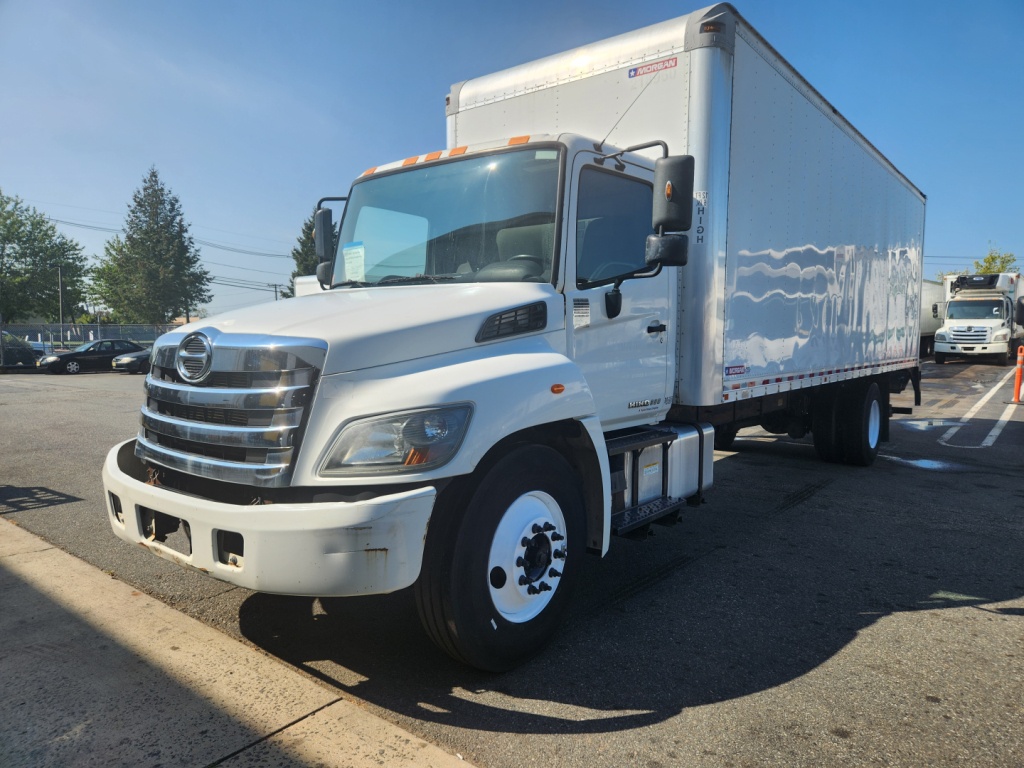
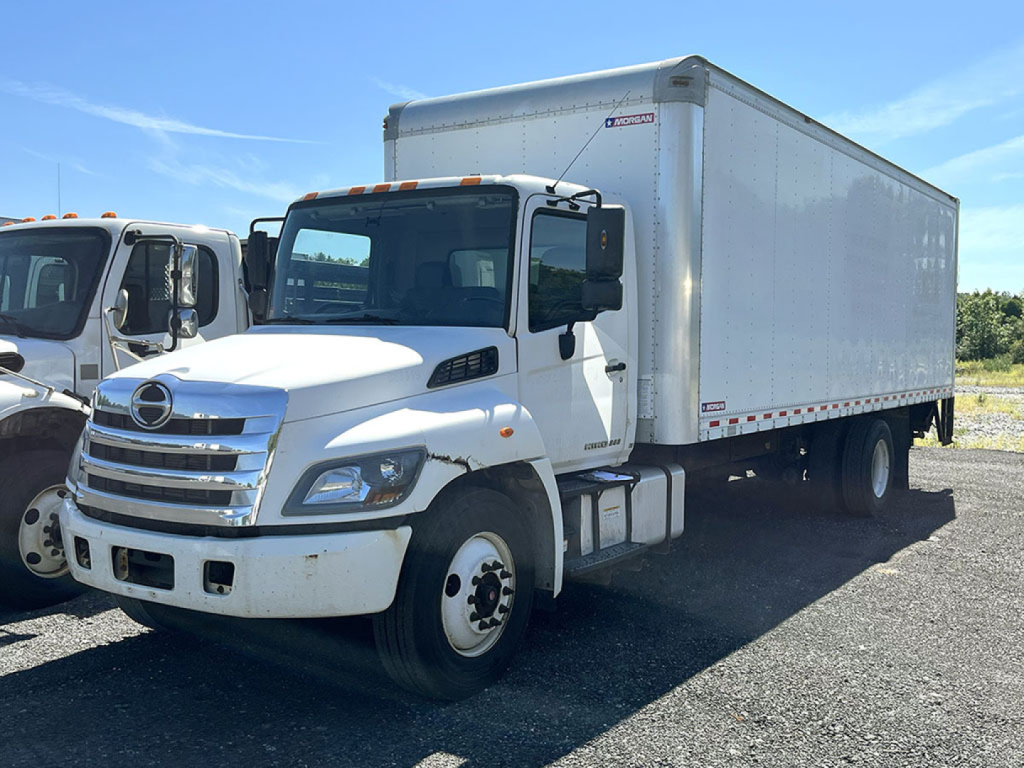
For van body and box truck applications, practical details often separate one truck from another. A 2018 Hino straight truck may include a 22 ft to 26 ft body, roll-up rear door, curbside door, wood floor, scuff liners, E-track, liftgate, and translucent roof. Those features directly affect loading speed, cargo protection, and repair cost over time. If the truck will handle palletized freight, beverage distribution, furniture delivery, or final-mile routes, look closely at floor condition, body manufacturer, door opening dimensions, and liftgate capacity. For open-body work, a 2018 Hino stake bed or flatbed can be a strong fit for building materials, equipment delivery, landscape supply, and municipal use, especially when paired with removable sides, toolboxes, and under-CDL GVWR ratings.
Condition matters more than badge alone on a used 2018 Hino truck. Service records, DPF and DEF system history, cooling system condition, brake wear, suspension wear, and body integrity should all be part of the evaluation. On delivery-spec trucks, high idle hours and PTO or liftgate usage can tell as much of the story as odometer miles. Buyers should also confirm frame condition, rust exposure, wheelbase suitability for the intended body, and whether the truck has air brakes or hydraulic brakes based on fleet requirements. A well-matched 2018 Hino truck can be a reliable choice for regional freight, moving, route delivery, contractor service, and medium-duty commercial use when the chassis, body, and payload demands are aligned correctly.
Frequently Asked Questions about 2018 Hino Trucks
What are the most common 2018 Hino truck models buyers look for?
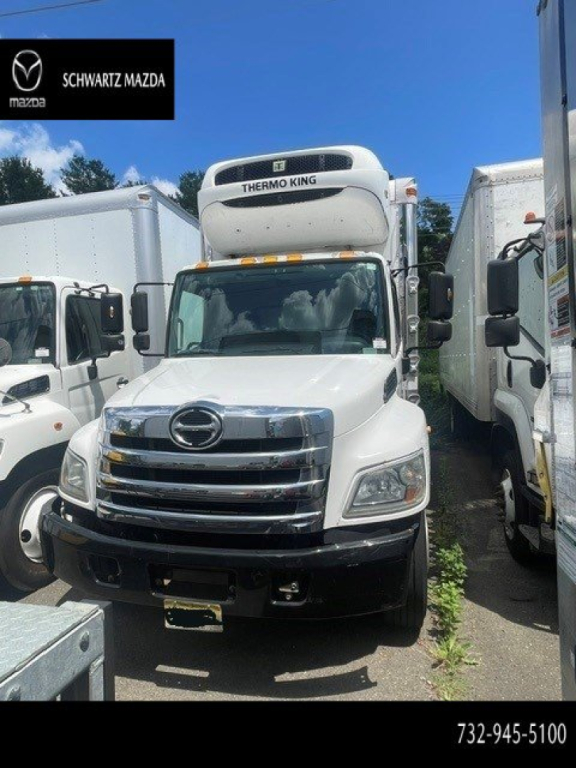
The most common 2018 Hino trucks on the used market are usually the 258, 268, and 338 series, depending on the GVWR and body type needed. The 258 and 268 are popular for box trucks, delivery bodies, and reefer applications, while the 338 is often chosen when a heavier front axle, higher payload capacity, or more demanding vocational body is required. The right model depends less on nameplate alone and more on the truck’s actual axle ratings, wheelbase, and body configuration.
Did 2018 Hino trucks commonly come with automatic transmissions?
Yes, many 2018 Hino trucks were spec’d with Allison automatic transmissions because they are well suited for delivery routes, city driving, and applications with frequent stops. An automatic is often preferred for driver ease, reduced training time, and consistent performance in urban service. Buyers should still confirm the exact transmission model, service history, and how the gearing matches the intended payload and route profile.
Are 2018 Hino trucks available in non-CDL configurations?
Many were built in non-CDL specs, especially trucks with a GVWR of 25,500 or 25,950 lbs. These are common in box truck and delivery applications because they let fleets expand the driver pool while still carrying useful payload. Even so, body weight, liftgate weight, and cargo type have a major effect on net payload, so it is important to review the empty weight and actual door sticker GVWR rather than assuming every 2018 Hino is under CDL limits.
What should I inspect first on a used 2018 Hino box truck?
Start with the engine and emissions service history, then move to the body and chassis fit. On a 2018 Hino box truck, key checkpoints include DPF and DEF system maintenance, cooling system condition, brake wear, suspension condition, liftgate operation, roll-up door function, floor integrity, roof leaks, and signs of frame rust or previous body damage. Wheelbase and cab-to-axle dimensions should also be verified to make sure the body was mounted correctly and the truck handles the intended payload safely.
What applications are 2018 Hino trucks best suited for?
A 2018 Hino truck is typically best suited for local and regional delivery, final-mile freight, moving and storage, contractor support, municipal work, and route-based service operations. Box trucks are commonly used for palletized freight, furniture, appliances, and parcel work, while flatbeds and stake beds fit building materials, equipment, and landscape products. The strongest use case is medium-duty commercial work where maneuverability, body flexibility, and dependable diesel power matter more than long-haul sleeper capability.