
Trucks For Sale Near Hilton, New York
Browse trucks for sale in Hilton, New York, including dump trucks, utility trucks, pickups, cargo vans, and commercial work vehicles.
Learn more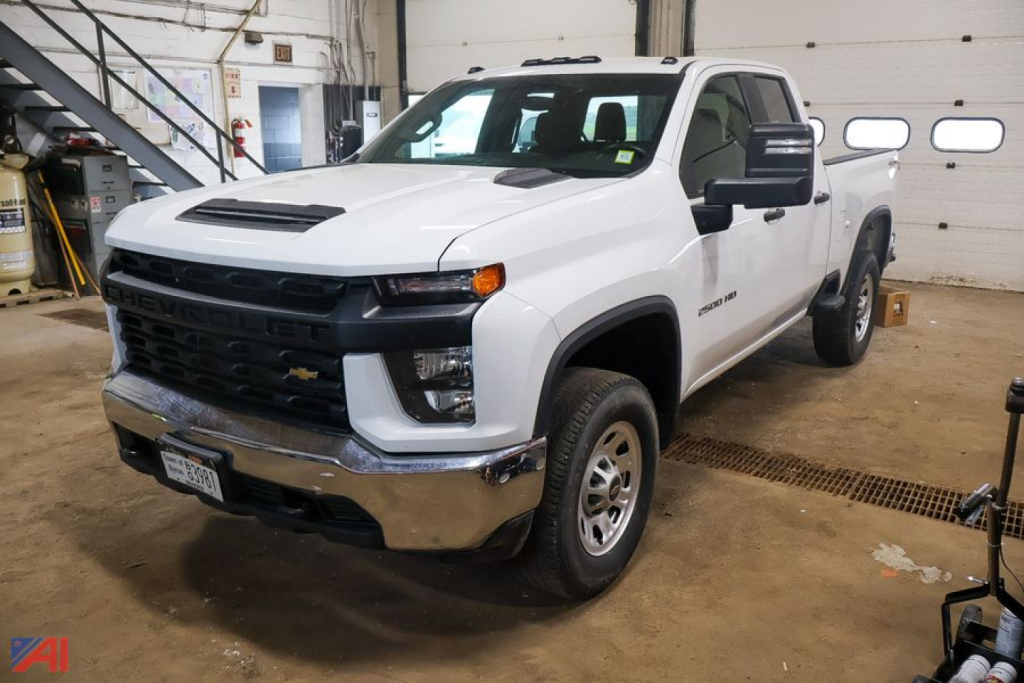

Have truck to sell? List it here to reach thousands of buyers.
About Trucks Near Hilton, New York
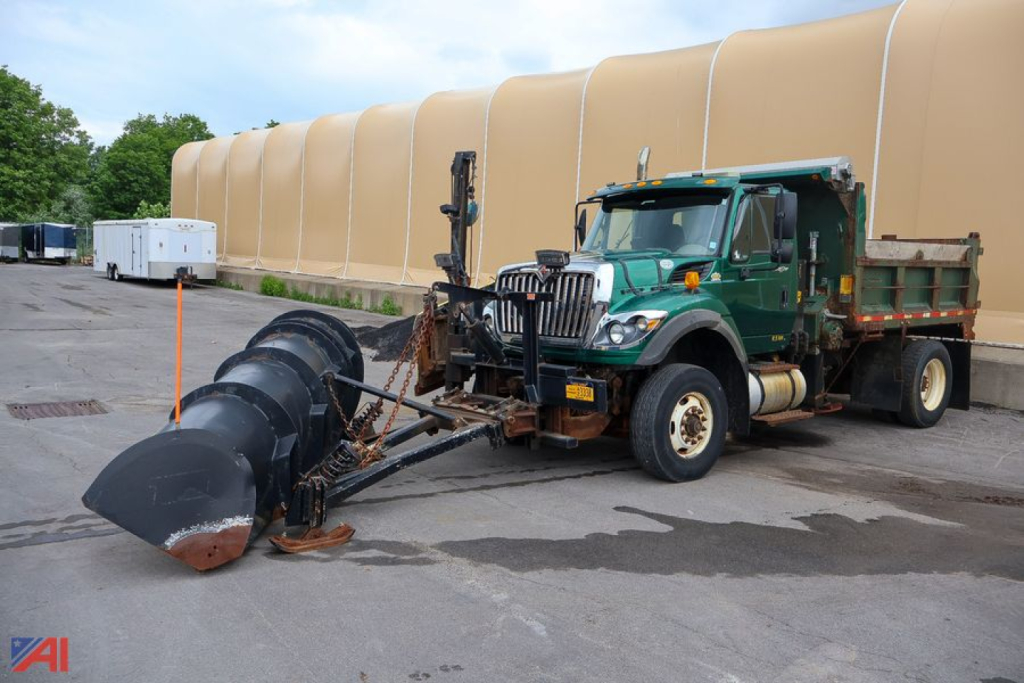
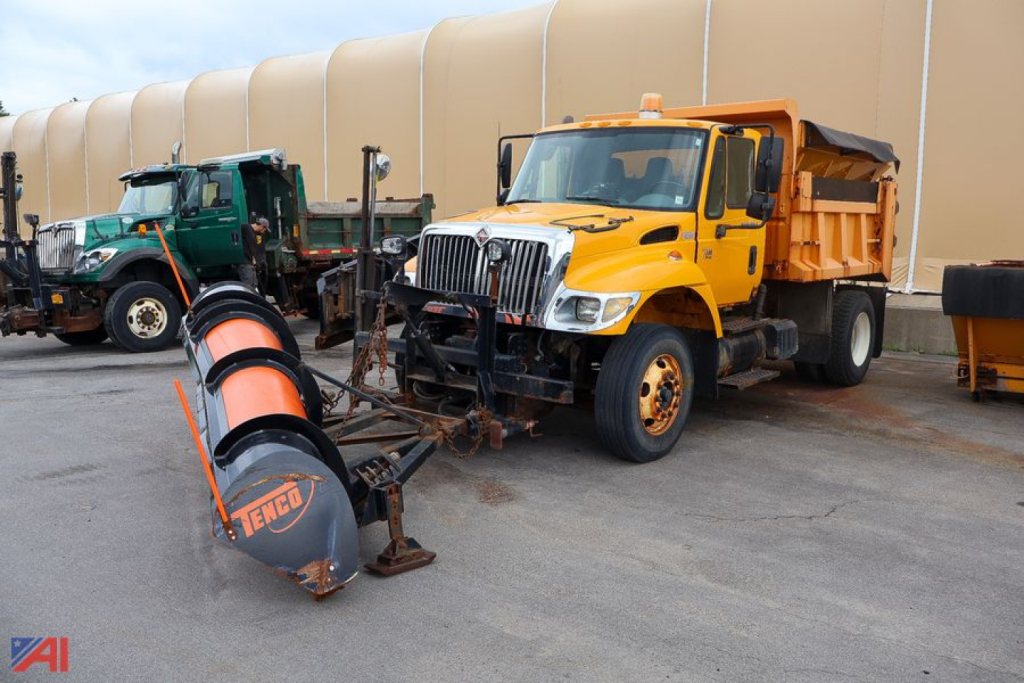
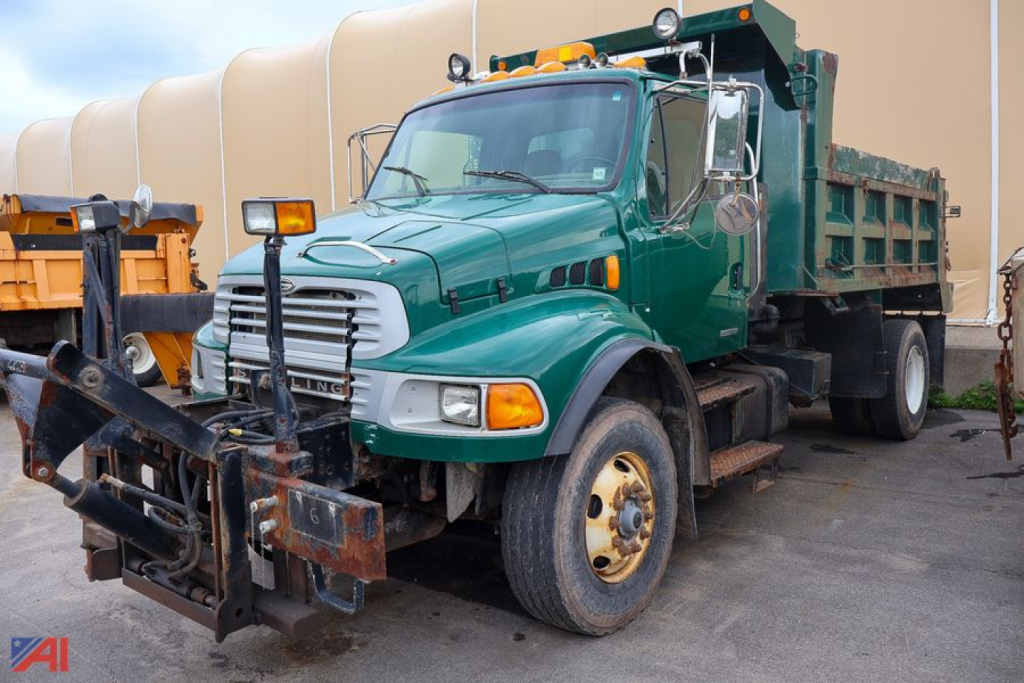
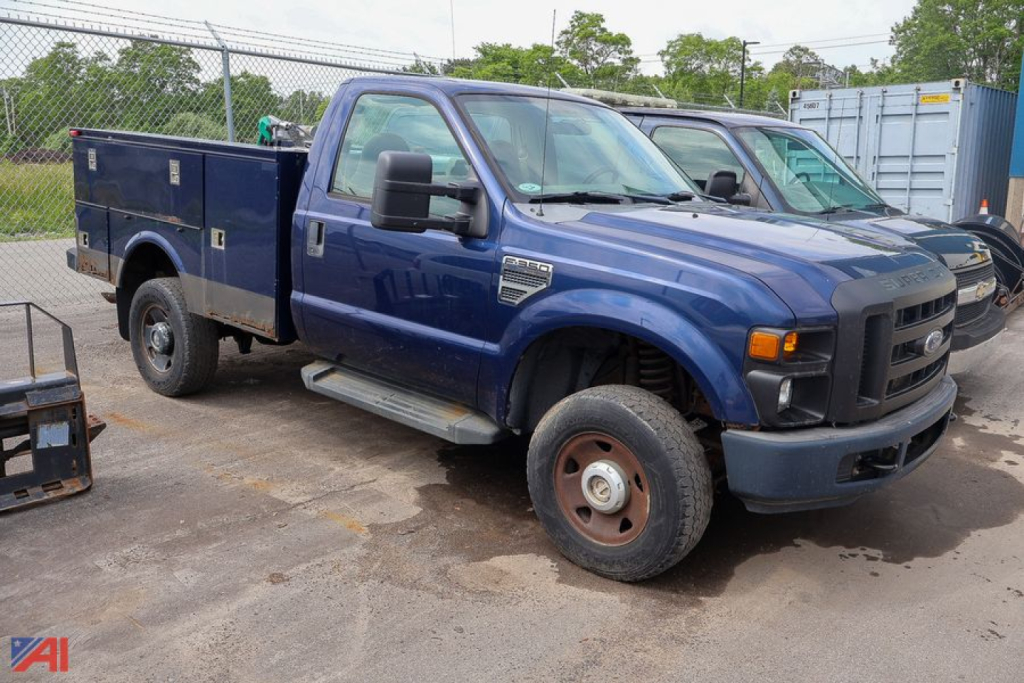
For heavier vocational work, dump trucks and severe-duty models are commonly built around robust frames, higher-capacity suspensions, PTO capability, and diesel powertrains designed for frequent stop-and-go use. In New York, municipal and contractor buyers often prioritize plow prep, hydraulic systems, spreader compatibility, and corrosion resistance because winter service can be hard on frames, dump bodies, electrical connections, and brake components. Service and utility trucks, also known as mechanic trucks or utility body trucks depending on the upfit, should be evaluated for compartment layout, crane or compressor provisions, inverter setup, and available payload after the body and equipment are installed.
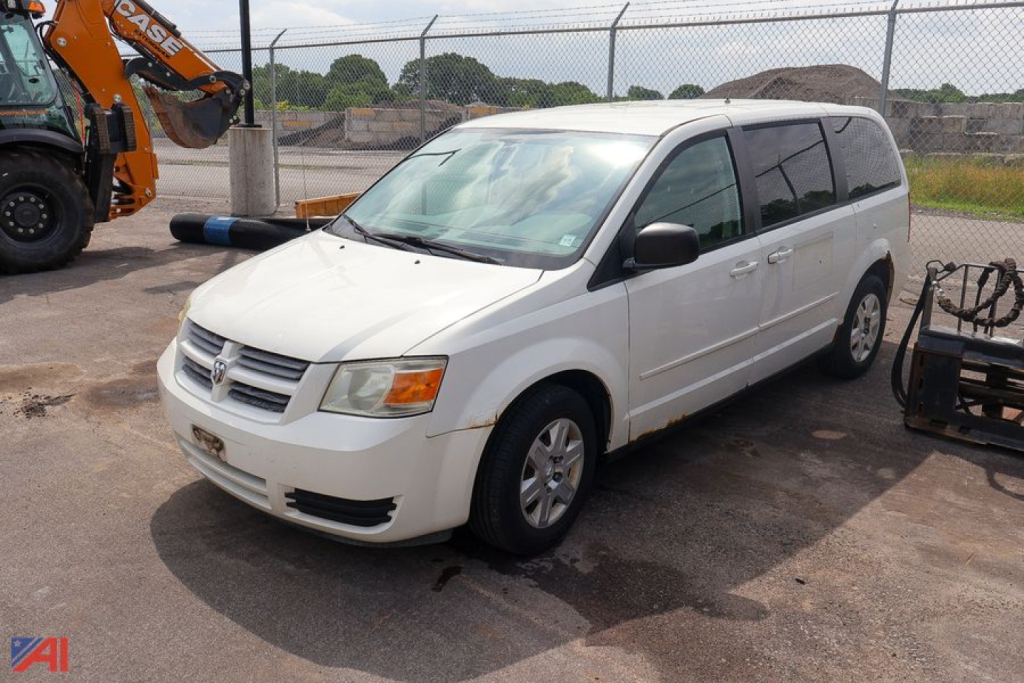
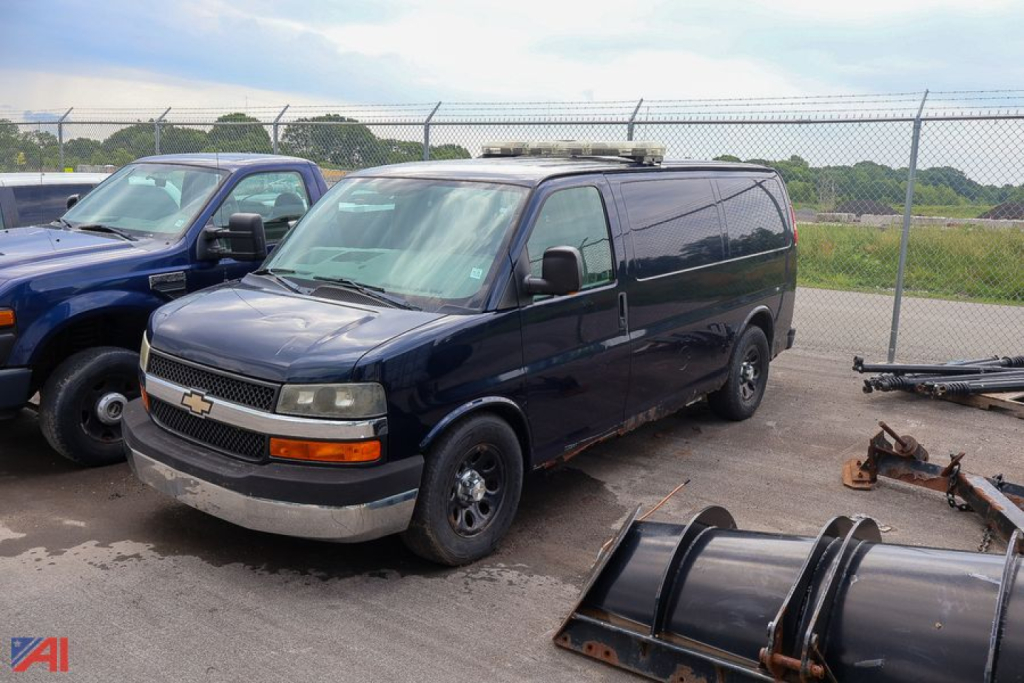
Light and medium-duty commercial trucks such as pickups, cargo vans, and cab-and-chassis units are often chosen for contractor service, delivery routes, facility maintenance, and mixed fleet use. Key specs here include gas versus diesel engine choice, 2WD versus 4WD, bed length, towing package, rear axle ratio, and crew cab versus regular cab layout. Cargo vans should be assessed for roof height, door opening dimensions, interior shelving potential, and ease of loading in tight urban or suburban environments. For pickups, buyers usually compare suspension package, brake controller integration, trailer capacity, and how the truck is equipped for snow, jobsite, or highway use.
Condition matters as much as configuration in this category because many work trucks spend their lives idling, carrying tools, towing trailers, or operating on seasonal routes. Maintenance records, engine hours, transmission behavior, rust at cab corners and underbody, hydraulic leaks, PTO engagement, and wear in springs, steering, and brakes tell more than mileage alone. A well-matched truck should have enough rated capacity for the job without carrying excess chassis weight and operating cost. Buyers comparing multiple trucks for sale should focus on application fit first, then verify the truck's actual spec, upfit quality, and service history before making a final decision.
Frequently Asked Questions
What should I check first when comparing trucks for sale?
Start with the truck’s intended job. GVWR, payload, towing capacity, axle rating, wheelbase, drivetrain, and body style matter more than brand alone. A dump truck, utility truck, pickup, and cargo van can all be listed under trucks, but each is built for a different duty cycle. Once the application is clear, confirm that the truck’s actual equipment, upfit, and condition match the work you need it to perform.
Is mileage the most important factor on a used work truck?
No. Mileage is only one indicator. Idle hours, PTO use, plow service, towing history, and maintenance quality can have a bigger impact on wear than odometer readings. On vocational trucks, buyers should pay close attention to engine hours, transmission operation, frame condition, rust, hydraulic function, suspension wear, and service documentation. A higher-mileage truck with consistent maintenance can be a better buy than a lower-mileage truck with poor upkeep.
What matters most on a dump or municipal truck in New York?
Rust exposure, hydraulic condition, and winter equipment compatibility are critical. Trucks used for plowing or spreading are often exposed to salt, moisture, and repeated low-speed heavy-duty cycles. Buyers should inspect the frame, dump body, floor, crossmembers, wiring, brake lines, and attachment points for corrosion. It is also important to verify PTO operation, hoist performance, plow mount condition, and any spreader or auxiliary hydraulic setup if the truck will stay in snow and ice service.
How do I choose between a pickup, utility truck, and cargo van?
Choose based on payload access and jobsite needs. A pickup offers open-bed flexibility and strong towing capability. A utility truck provides external lockable compartments and organized tool storage for field service work. A cargo van protects tools and materials from weather and theft while improving loading efficiency in tighter areas. The right choice depends on whether your operation values towing, secure storage, enclosed cargo space, or access to equipment throughout the workday.
Are gas or diesel trucks better for commercial use?
It depends on the duty cycle and chassis size. Gas engines can make sense for lighter-duty service, lower annual miles, and fleets that want lower upfront cost and simpler emissions systems. Diesel engines are often preferred for heavier payloads, frequent towing, and medium or severe-duty applications where torque and long-run durability matter most. Buyers should compare acquisition cost, fuel economy, maintenance requirements, emissions system history, and the truck’s actual workload instead of assuming one is always better.