
Commercial Trucks For Sale Near Highland, Indiana


Have commercial truck to sell? List it here to reach thousands of buyers.
Commercial Trucks Near Highland, Indiana
Many used highway trucks in this class are spec'd with 13-liter engines in the 400 to 455 horsepower range, paired with either a manual 10-speed or an automated manual transmission such as an I-Shift or similar 12-speed automated unit. That spec range covers a broad middle ground for van, reefer, flatbed, and general freight work. Common tandem ratings are 40,000-pound rears with air ride suspension, and axle ratios in the mid-2s are typical for fuel-conscious highway service. Buyers should match the ratio and transmission to the intended terrain and trailer weight. A 2.47 or 2.64 ratio can run efficiently on flatter interstate lanes, but operations with heavier payloads, more stop-and-go driving, or steeper grades may benefit from a different driveline setup.
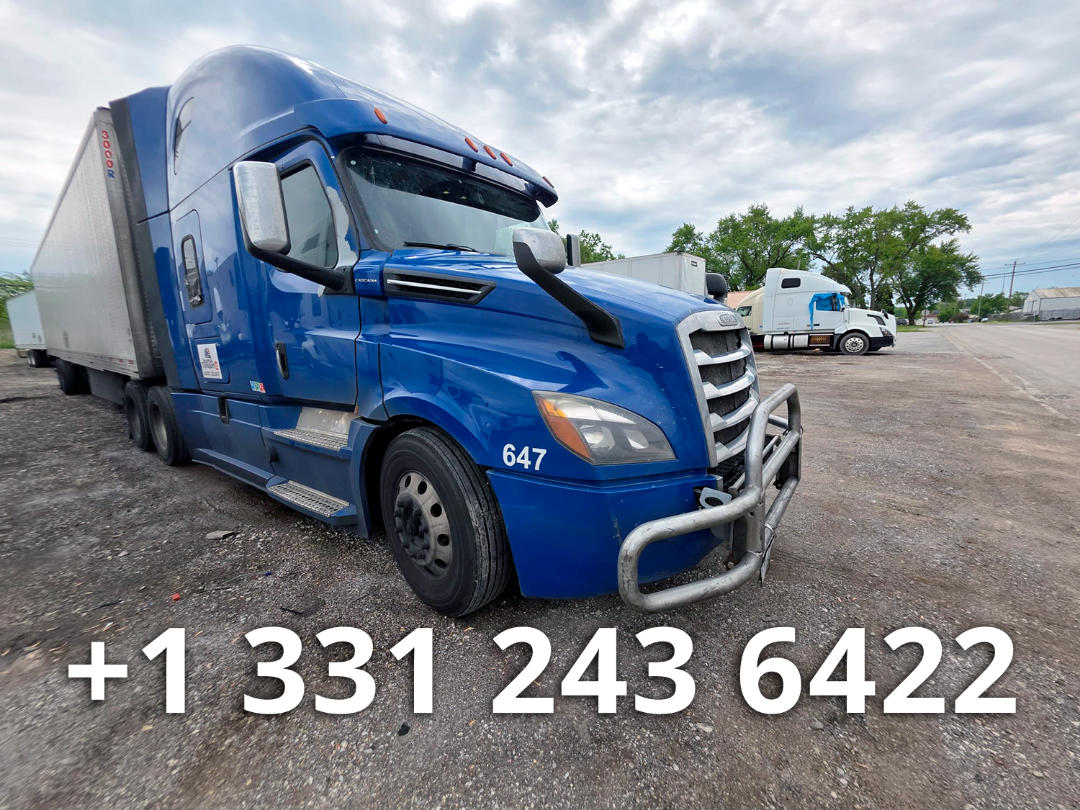
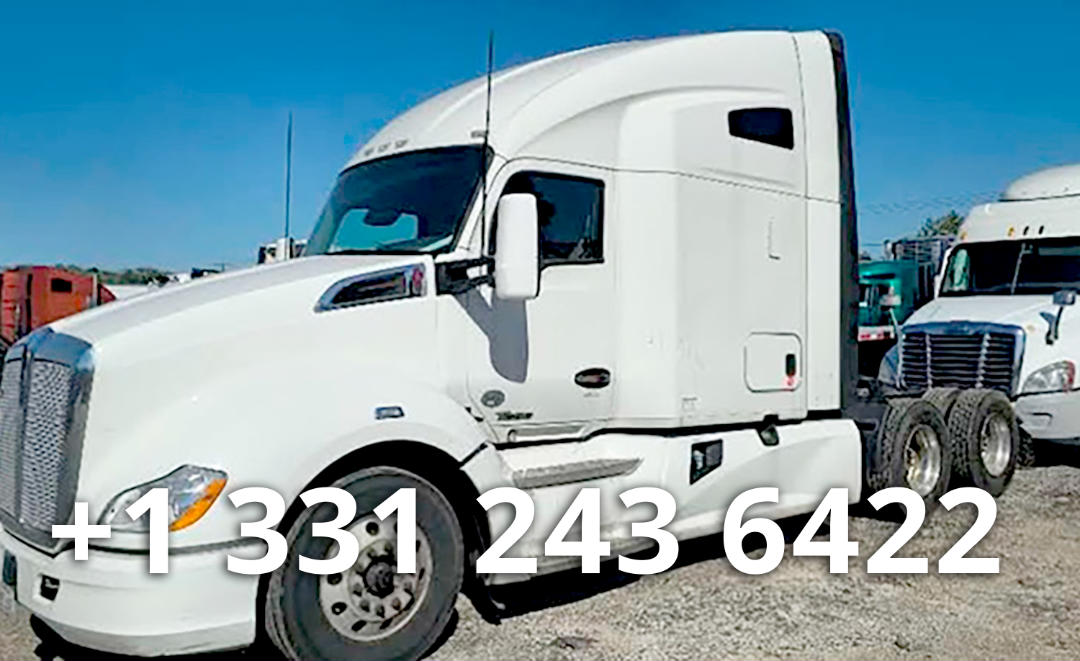
Cab configuration and chassis dimensions deserve close attention because they affect resale, driver acceptance, and trailer compatibility. Day cabs often show wheelbases around the 170-inch range and may use adjustable or air-slide fifth wheels to handle different trailer kingpin settings. Sleeper trucks commonly stretch well past 220 inches depending on bunk size, fairing package, and fuel tank layout. Aerodynamic features like roof fairings, side extenders, and side fairings help on long highway runs, while options such as engine brakes, disc brakes, low-profile 22.5 tires, aluminum wheels, and dual aluminum fuel tanks can improve drivability, service intervals, or operating cost. Interior items like tilt-telescoping steering, cruise control, and power windows are not just convenience features. They also matter in driver retention and daily usability.
A good used truck purchase is usually less about brand preference and more about spec discipline. Look closely at emissions system history, engine and transmission service records, brake type, tire wear, suspension condition, and any signs the truck was mismatched to its prior duty cycle. If the truck will stay in regional Midwest service around Northwest Indiana, buyers often prioritize corrosion condition, cold-weather starting performance, and parts support for common OEM powertrains from Cummins, Paccar, Volvo, and International. Also confirm the rear axle rating, wheelbase, and fifth-wheel setup fit the trailers you plan to pull. The right truck in this category should match route length, average gross combination weight, maintenance capability, and driver expectations without carrying unnecessary spec that raises cost per mile.
Frequently Asked Questions about Commercial Trucks Near Highland, Indiana
What is the difference between a day cab truck and a sleeper truck?
A day cab truck has no sleeping compartment and is typically used for local or regional hauling where the driver returns home daily. It usually has a shorter wheelbase, lower curb weight, and better maneuverability. A sleeper truck includes an integrated bunk area for overnight or multi-day runs and is better suited for long-haul freight, teams, and operations that need more onboard storage, larger fuel capacity, and improved driver comfort.
What horsepower range is common for used highway trucks in this category?
A common range is about 400 to 455 horsepower with 13-liter engines such as the Cummins ISX15, Volvo D13, Paccar MX-13, or Navistar N13. That range is widely used because it balances fuel economy, drivability, and pulling power for general freight. Buyers hauling heavier loads through hills or running faster interstate schedules may want more torque and a drivetrain spec that supports the intended gross combination weight.
Is a manual transmission or automated transmission better in a used semi truck?
It depends on fleet preference, driver pool, and service strategy. A manual 10-speed remains familiar, straightforward, and appealing to buyers who want direct control and simpler driver troubleshooting. An automated manual transmission can improve consistency, reduce driver fatigue, and support fuel economy goals, especially in regional and highway applications. The better choice is the one that matches the drivers available to you, the routes you run, and the shop support you have for diagnostics and calibration.
Why does axle ratio matter on a used truck?
Axle ratio directly affects launch performance, cruising rpm, gradeability, and fuel economy. Ratios such as 2.47 or 2.64 are common in highway tractors because they keep engine rpm lower at interstate speed and can help reduce fuel burn. The tradeoff is that very tall gearing may be less ideal for heavy loads, frequent starts, or steep terrain. Buyers should look at ratio, tire size, transmission gearing, and average load together rather than judging the ratio by itself.
What should I inspect first on a used truck before buying?
Start with the service history and current fault status, then move to the engine, transmission, emissions system, suspension, brakes, tires, and fifth-wheel assembly. Confirm the rear axle rating, wheelbase, and kingpin compatibility fit your trailers and lanes. In Midwest markets, it is also smart to inspect frame and cab corrosion, electrical condition, and cold-weather reliability. A truck with the right maintenance history and correct vocational spec is usually a better buy than one with a lower price but the wrong setup.