
Commercial Trucks For Sale Near Highland, California
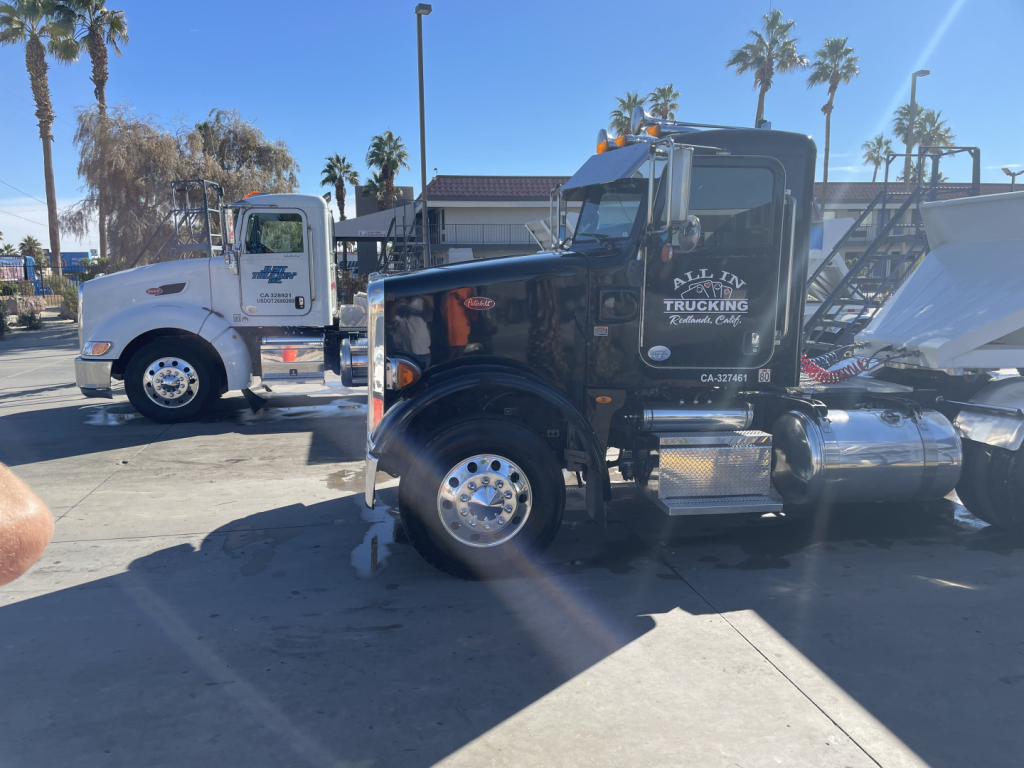
Have commercial truck to sell? List it here to reach thousands of buyers.
Commercial Trucks Near Highland, California
Powertrain selection matters more than almost any cosmetic feature. Many used trucks in this class are equipped with proven diesel platforms from Detroit, Cummins, or Paccar, paired with manual, automated manual, or fully automatic transmissions. Horsepower in the 350 to 500 range is common depending on the intended load and terrain, and torque curve matters just as much as advertised horsepower when the truck will spend time in stop-and-go service or on grades. In Southern California, buyers often pay close attention to emissions equipment condition, engine brake operation, cooling system health, and transmission model because those items affect uptime and operating cost immediately.
Chassis spec should match the work, not just the price. Tandem axle trucks with air ride or air leaf suspension are common for highway tractors and many fleet applications because they balance ride quality, traction, and durability. Fuel capacity, fifth wheel setup, frame condition, tire size, and wheel material also deserve a close look. Aluminum wheels, dual fuel tanks, air ride cabs, and premium interior trim are useful upgrades, but the more important inspection points are service history, signs of structural damage, driveline wear, brake condition, and evidence of consistent maintenance. If the truck will be paired with a specific trailer or body, verify frame spacing, PTO compatibility if needed, and overall wheelbase before making a decision.
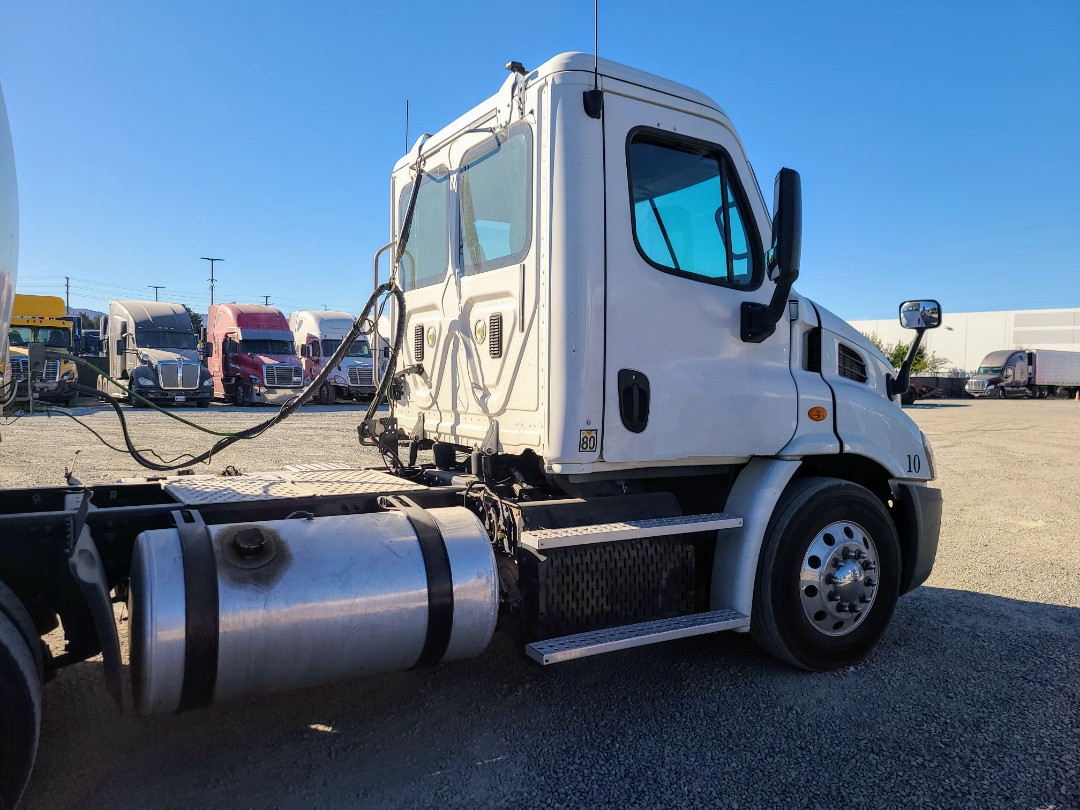
For buyers in Highland and the Inland Empire, truck selection is often shaped by regional freight lanes, warehouse distribution, and local municipal or construction work. A short to mid-wheelbase tandem day cab can be a practical fit for busy yards and tighter delivery environments, while heavier highway use may justify a larger fuel package, higher horsepower, and a drivetrain geared for sustained road speed. The best used truck is the one with a spec sheet that matches the route, load, and maintenance plan, not simply the newest model year.
Frequently Asked Questions about Commercial Trucks Near Highland, California
What should I look for first when comparing used trucks for sale?
Start with the truck's intended application and verify that the axle configuration, wheelbase, engine rating, and transmission are matched to that work. A truck built for local day cab service will have different priorities than one intended for regional linehaul or vocational use. After the basic spec, review maintenance records, emissions system history, suspension type, brake condition, tire wear, and any signs of frame repair or structural damage.
Is a day cab truck a good choice for Southern California operations?
A day cab is often a strong fit for Southern California freight because many routes are local or regional and involve distribution centers, ports, construction supply, and short-haul trailer moves. Day cabs generally offer better maneuverability, lower empty weight, and easier access in tight yards than sleeper tractors. They are less suitable when the route requires overnight stays or long stretches away from the home terminal.
How important are engine and transmission specs on a used truck?
Engine and transmission specs are critical because they determine drivability, fuel economy, grade performance, and long-term repair cost. A 10-speed manual, automated manual, or automatic transmission each serves different driver preferences and duty cycles. Buyers should look beyond horsepower alone and confirm torque output, rear axle ratio, engine brake function, and whether the transmission model is appropriate for the load and terrain.
What axle setup is most common on trucks in this category?
Many highway and fleet-spec trucks use a tandem drive axle setup, often in a 6x4 configuration. This layout provides better traction and higher gross vehicle capability than a lighter single-drive setup, making it popular for tractors pulling loaded trailers. The correct axle setup depends on the freight, legal weight targets, and the type of roads the truck will run.
Are premium options like aluminum wheels and air ride worth paying for?
They can be, but only after the core mechanical condition checks out. Aluminum wheels reduce weight and resist corrosion, and air ride cab or suspension components can improve driver comfort and cargo protection. Those upgrades add value, but they should not outweigh more important factors such as engine health, emissions compliance, brake life, tire condition, and verified maintenance history.