
Commercial Trucks For Sale Near Hesperus, Colorado
Browse trucks for sale in Hesperus, Colorado, including highway, vocational, and specialty units with specs buyers compare most.
Have commercial truck to sell? List it here to reach thousands of buyers.
Commercial Trucks Near Hesperus, Colorado
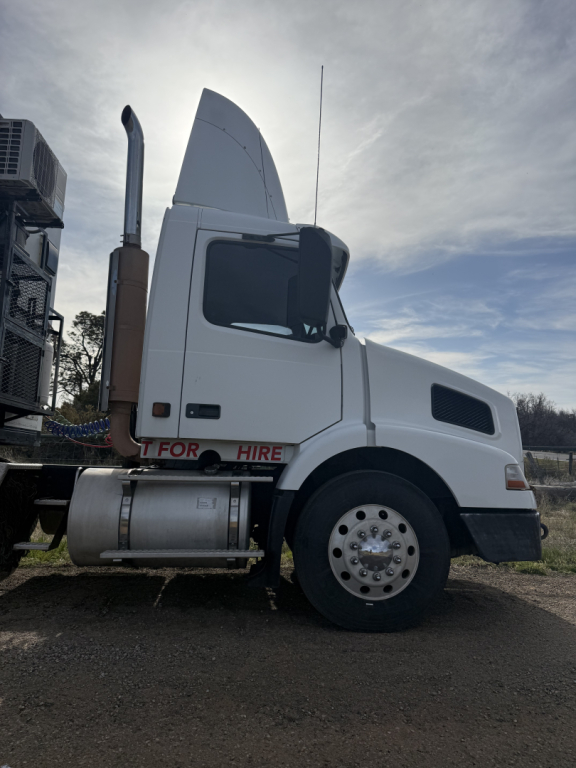
For over-the-road and regional hauling, sleeper and day cab tractors are often judged by powertrain match and service history. Common configurations include 4x2 and 6x4 drivetrains, manual, automated manual, and automatic transmissions, and diesel engines from major OEMs such as Cummins, Detroit, Volvo, PACCAR, and Caterpillar in older models. Buyers comparing used trucks should pay close attention to emissions system status, idle hours, PTO provisions, fifth-wheel condition, frame integrity, and tire wear patterns. On highway trucks, wheelbase, fuel capacity, and suspension type can also influence trailer compatibility, ride quality, and maintenance costs.
Medium-duty and specialty trucks add a different set of buying priorities. Box trucks, flatbeds, service trucks, dump trucks, and RV-converted truck platforms are all part of the broader truck market. On these units, body condition, upfit quality, hydraulic or electrical accessories, and cab-to-axle dimensions can matter as much as engine and transmission specs. A converted truck, for example, may include living quarters, storage systems, appliance packages, or trailer-towing equipment, and buyers should verify title classification, CDL implications, brake controller setup, and how the conversion affects payload and registration. In mountain regions like southwest Colorado, cooling performance, brake condition, and low-speed maneuverability are especially important on heavier or longer-wheelbase trucks.
The best truck choice usually comes down to matching the truck to the work instead of buying on badge alone. A buyer looking at trucks in Hesperus should compare maintenance records, engine hours, rust or corrosion exposure, driveline condition, and whether the gearing fits local grades or highway cruising. Features like locking differentials, lift axles, air ride suspension, headache racks, wet kits, and PTOs can add value when they match the application. A solid used truck should make sense on operating cost, serviceability, and intended use before it ever wins on appearance.
Frequently Asked Questions about Commercial Trucks Near Hesperus, Colorado
What should I compare first when shopping for used trucks for sale?
Start with the truck’s intended application and then compare chassis class, axle configuration, GVWR or GCWR, wheelbase, engine, transmission, and suspension. Those core specs determine payload, trailer compatibility, maneuverability, and operating cost. After that, look at maintenance records, engine hours, mileage, brake condition, tire wear, and any signs of frame damage or poor repairs. A truck with the right spec for the job is usually a better buy than a cleaner truck with the wrong gearing or axle setup.
Are truck buyers in Colorado better off with higher horsepower and an engine brake?
In many cases, yes. Colorado terrain rewards trucks with strong torque, effective engine braking, and gearing that can handle long grades without excessive heat or driveline stress. A truck that performs well on flat interstate routes may feel underpowered in mountain service if the horsepower, rear axle ratio, and transmission are not matched to elevation and load. Cooling system condition and brake health also matter more in mountain use than many first-time buyers expect.
What is important to check on a used highway tractor?
On a used highway tractor, pay close attention to engine and aftertreatment history, transmission operation, clutch condition on manual units, fifth-wheel wear, suspension components, driveline vibration, and tire wear patterns. Check for oil, coolant, or air leaks, confirm that the engine brake works correctly, and inspect the frame rails for cracks, corrosion, or previous damage. Service documentation and evidence of regular preventive maintenance are often more valuable than a low asking price alone.
How is a specialty or RV-converted truck different from a standard commercial truck?
A specialty or RV-converted truck may use a commercial chassis but is evaluated differently because the conversion affects weight, registration, comfort systems, and legal use. Buyers should confirm how the title is classified, whether a CDL is required, how the conversion changed payload capacity, and whether appliances, tanks, power systems, and storage were installed professionally. Towing equipment, trailer brake controls, and overall weight distribution should also be reviewed carefully before purchase.
What truck features add the most value in the used market?
The most valuable features are the ones that match the truck’s actual job. For highway tractors, that can include a proven powertrain, air ride suspension, proper fuel capacity, and a well-maintained sleeper. For vocational and specialty trucks, value often comes from PTO capability, locking differentials, lift axles, hydraulic systems, body upfit quality, and documented maintenance. Buyers usually get the best return from functional specs and serviceability, not cosmetic upgrades.